Engineering Capabilities & FAQs

Find technical answers regarding DFM standards, machining tolerances, and quality protocols specifically defined for automotive prototype manufacturing.

Contact Us
How do you handle complex interference issues in multi-component sub-assemblies?
We perform virtual assembly audits using CAD software to identify potential spatial conflicts and verify clearance requirements based on your provided drawings.
Can your team suggest geometry optimizations to reduce 5-axis machining tool changes?
Yes, we provide DFM recommendations to optimize feature accessibility for 5-axis efficiency, reducing production complexity without compromising your design intent.
Do you provide comprehensive DFM reports for thin-walled battery housings?
Absolutely. We analyze the impact of wall thickness on machining stability and provide detailed feasibility feedback to prevent distortion during the manufacturing process.
How are ECN (Engineering Change Notices) managed during the active prototyping phase?
We utilize a synchronized revision control system to pause production, assess the impact of changes, and implement approved CAD updates immediately.
Can you validate GD&T specifications to ensure critical fitment for engine components?
Yes, we perform rigorous GD&T audits to ensure that all machined features strictly adhere to your specified alignment and fitment requirements.
What is your achievable tolerance for high-precision transmission valve bodies?
We consistently maintain tolerances within +/-0.005mm for critical bores and mating interfaces using high-stability CNC machining centers.
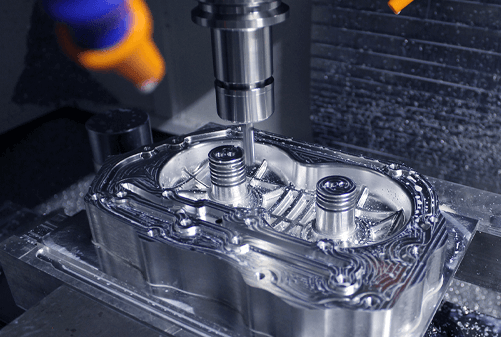
Do you support 5-axis simultaneous machining for complex turbocharger impellers?
Yes, our advanced 5-axis centers handle the continuous toolpaths required for high-efficiency aerodynamic profiles and complex impellers.
What surface roughness (Ra) can be achieved for critical piston crown interfaces?
We achieve surface finishes down to Ra 0.4 or better through precision milling and specialized finishing protocols.
Can you machine high-strength alloys such as Titanium or Inconel for exhaust systems?
Yes, we are experienced in processing heat-resistant superalloys and aerospace-grade titanium for high-temperature automotive exhaust applications.
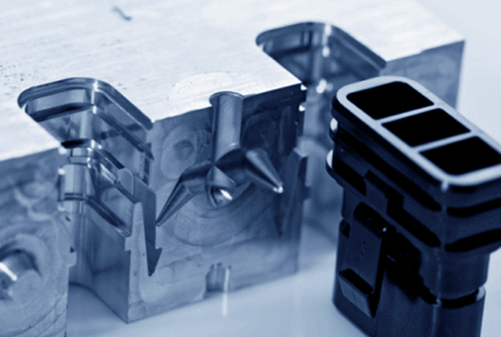
Do you offer specialized micro-machining for sensor housings and electronic connectors?
We utilize high-speed spindles and micro-tooling to execute the intricate features required for modern automotive sensor technology.
Are your quality management systems fully compliant with IATF 16949 standards?
Yes, our workflows are audited to align with IATF 16949 requirements, ensuring rigorous automotive-grade quality control.
Do you provide full CMM dimensional inspection reports for every prototype batch?
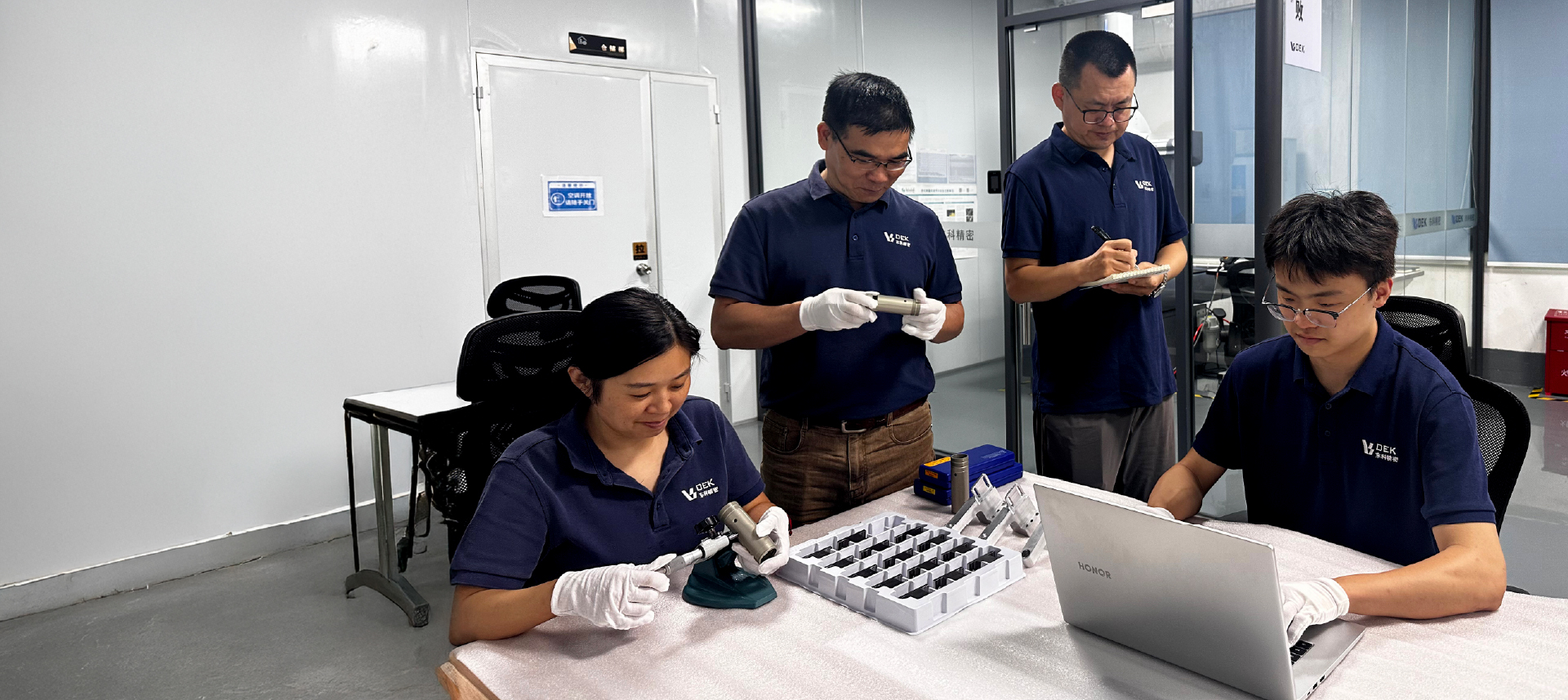
We provide comprehensive CMM inspection reports upon request. Our metrology team verifies all critical-to-quality (CTQ) dimensions against your original CAD data to ensure absolute precision.
Can you facilitate third-party laboratory testing for structural fatigue validation?
Yes, we can coordinate with certified external laboratories to facilitate material fatigue, salt spray, and X-ray NDT testing to meet your specific validation requirements.
How do you manage calibration schedules for high-precision metrology equipment?
All CMMs and gauges undergo scheduled calibration traceable to national standards to ensure absolute measurement accuracy.
What is your protocol for handling and documenting non-conforming automotive parts?
Non-conforming items are immediately quarantined and documented via CAPA (Corrective and Preventive Action) reports to ensure zero-defect delivery.
Do you provide certified Mill Test Reports (MTR) for all raw material batches?
We provide certified Mill Test Reports (MTR) upon request. These documents verify the chemical composition and mechanical properties of the specific alloy used for your project.
How is 100% material traceability maintained from raw stock to finished component?
We utilize a robust internal tracking system with unique batch coding to link every finished component back to its original raw material procurement and certification logs.
Can you perform spectroscopic analysis to verify alloy composition for critical brackets?
Yes, we can facilitate spectroscopic verification to ensure material integrity before machining begins, ensuring the stock strictly meets your engineering requirements.
What hardness testing methods are used for heat-treated powertrain components?
We utilize Rockwell (HRC) or Vickers (HV) testing to validate surface hardness and uniformity following specialized heat treatment processes.
Do you ensure material compliance with my provided engineering specifications?
Yes, we strictly adhere to your specified material grades and can source equivalent international standards (e.g., ASTM, DIN, JIS) only upon your explicit approval.
What is your standard protocol for executing Non-Disclosure Agreements (NDA)?
We prioritize your intellectual property and are fully prepared to review and execute your company’s standard NDA prior to any technical file exchange.
How is sensitive automotive CAD data protected within your internal systems?
Your datasets are stored on secure, firewall-protected servers with access strictly limited to the project engineers and production leads assigned to your case.
How do you ensure the integrity and accuracy of the shipment before dispatch?
We provide detailed photo and video documentation of the final components and packaging process, ensuring full transparency and verification before the order leaves our facility.
What are the typical lead times for transitioning from DFM to functional hardware?
Depending on geometry and finishing requirements, most high-precision prototypes are ready for dispatch within 7–14 days following final CAD freeze.
Do you provide specialized packaging for high-precision or fragile automotive components?
Yes, we utilize high-density protective foam and reinforced crates (wood or carton) to ensure maximum safety for fragile parts during transit. All components are labeled with our identification tags for easy tracking, utilizing eco-friendly and recyclable materials to support sustainable manufacturing practices.