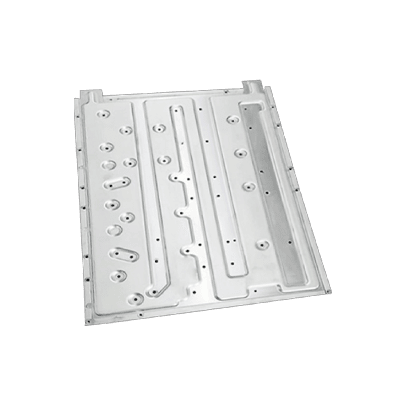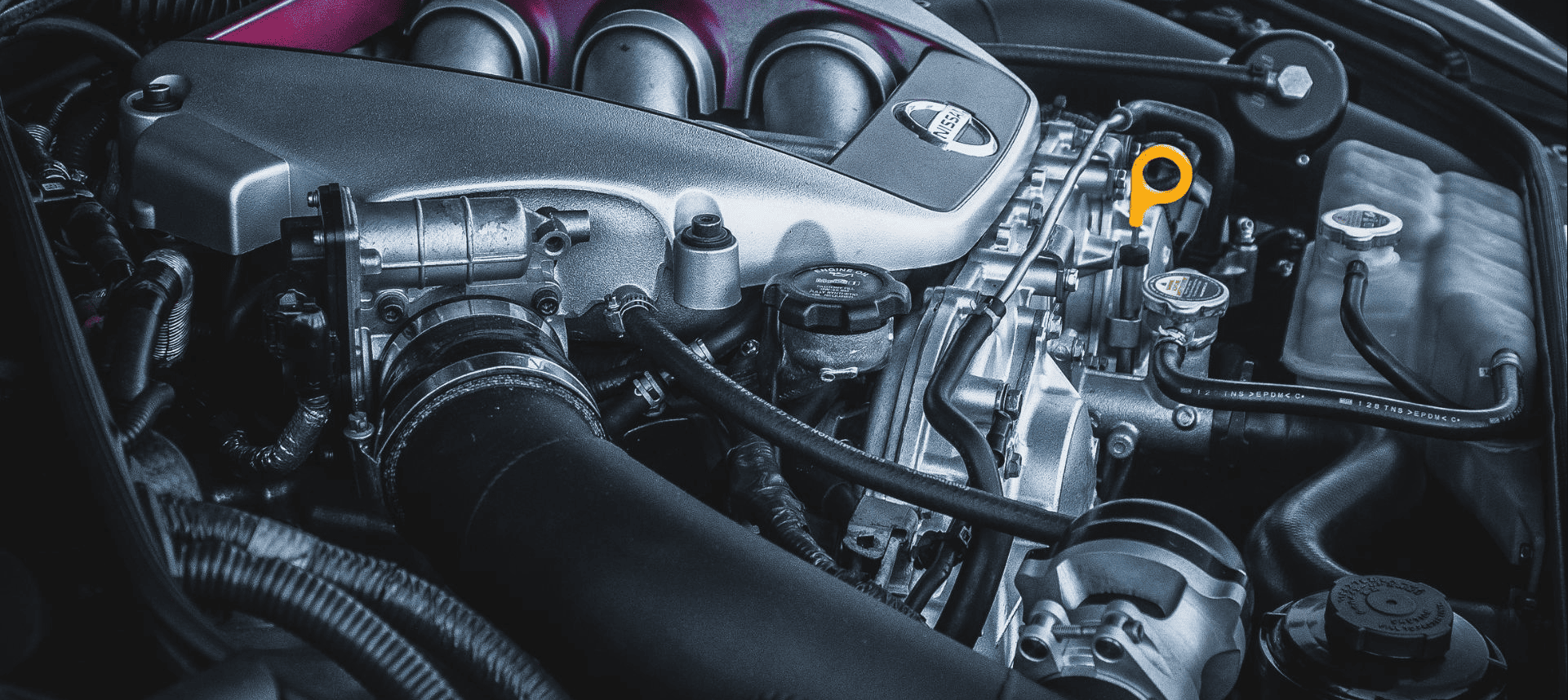
Optimized Cooling Plate Prototype

We translate complex heat-exchange architecture into functional cooling plate prototype hardware, ensuring your thermal simulations hold up under real-world stress.
Contact Us
Overview

Superior Cooling Plate Prototype Design

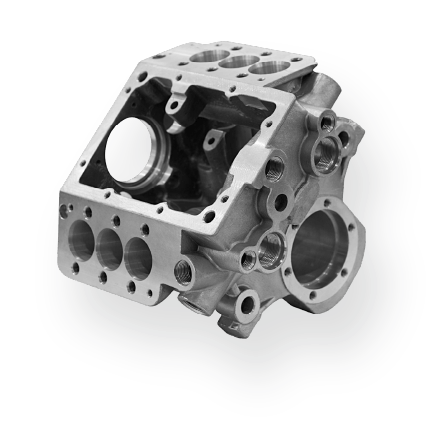
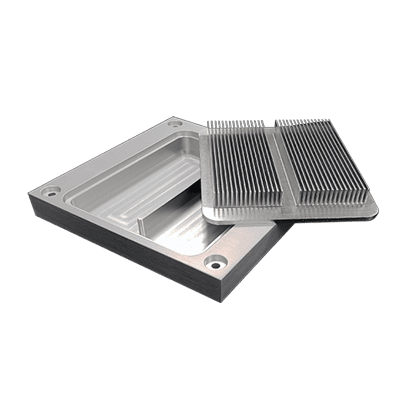
Precision CNC machining and vacuum brazing transform your designs into a cooling plate prototype that meets strict thermal benchmarks and leak-testing requirements, ensuring high-performance components for critical automotive engineering evaluations.

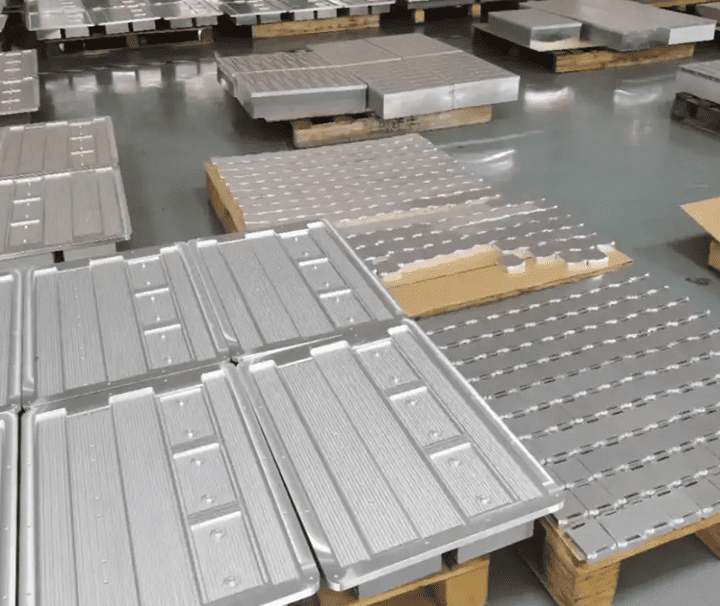
Agile manufacturing workflows support seamless small-batch production once your cooling plate prototype is validated. We provide specialized surface treatments and full assembly services, allowing you to scale from initial testing to limited-run deployment.

Contact Us
Challenge

Challenges & Solutions for Cooling Plate Prototype

  • 01

    Internal Geometries

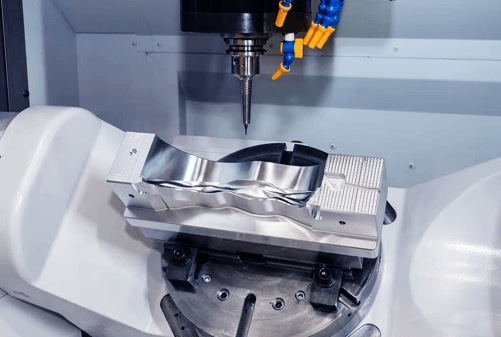
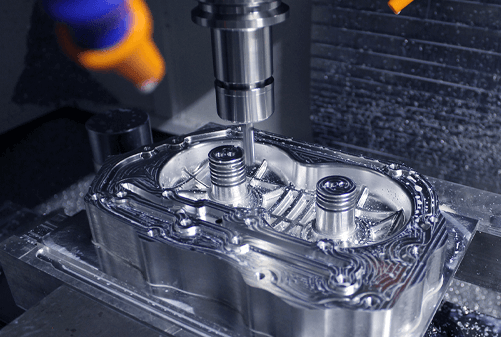
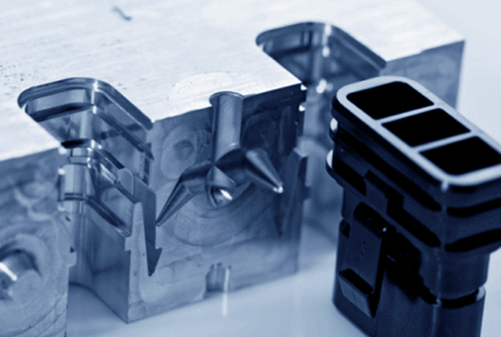
    Advanced 5-axis machining creates intricate internal fluid channels, ensuring uniform heat distribution and optimal flow rates that meet the most demanding automotive thermal management specifications.

  • 02

    Leak Prevention

    Utilizing precision vacuum brazing and friction stir welding guarantees structural integrity, preventing coolant leaks and ensuring your prototype remains reliable under high-pressure operating conditions.

  • 03

    Material Integrity

    Strict sourcing of high-conductivity alloys combined with controlled heat treatment preserves thermal performance, preventing warping or degradation during the intense thermal cycling of automotive testing.

  • 04

    Tight Tolerances

    Expert fabrication achieves micron-level precision on mating surfaces, ensuring seamless integration with battery modules or power electronics for maximum heat transfer efficiency and component safety.

  • 05

    Scalable Production

    Streamlined manufacturing workflows allow for rapid transitions from single units to small-batch runs, maintaining consistent quality while meeting the tight timelines of automotive development cycles.

Capabilities

Cooling Plate Prototype Technical Specs

Our advanced machining capabilities ensure high-precision thermal components tailored to your exact engineering performance requirements.

Contact Us
5-Axis Machining Envelope Up to 1500 × 1200 × 600 mm
3-Axis Machining Envelope Up to 3000 × 1500 × 800 mm
Dimensional Tolerances Within ±0.01 mm for critical mating surfaces
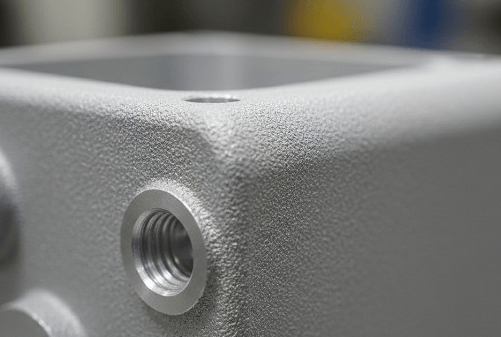
Surface Roughness Achievable finishes down to Ra 0.4 µm
Joining Technology Vacuum Brazing and Friction Stir Welding (FSW)
Channel Pressure Testing Validated up to 15 bar for leak-proof integrity
Material Compatibility Automotive-grade 6061/6063 Aluminum and Copper alloys
Related

Explore More Parts

Why Choose Us

Why Engineers Choose Our Cooling Plate

  • 01

    Technical Mastery

    Precision engineering ensures your complex thermal designs perform as intended.

  • 02

    Rapid Turnaround

    Accelerated manufacturing cycles meet the tightest automotive development deadlines.

  • 03

    Certified Quality

    Rigorous testing protocols guarantee structural integrity and leak-proof performance.

FAQs

Frequently Asked Questions

Contact Us
What tolerances can you achieve for bumper prototypes?
We achieve ±0.02 mm to ±0.05 mm tolerances, verified by CMM inspection reports to ensure dimensional accuracy and reliable fitment for assembly and validation.
Do you support automotive-grade materials for functional testing?
We machine ABS, PC, PP, and aluminum alloys, supporting functional testing, structural validation, and material performance evaluation aligned with automotive prototype requirements.
Can you meet surface finish requirements for aerodynamic testing?
We control surface roughness through optimized machining and secondary finishing, achieving consistent Ra values suitable for wind tunnel testing and appearance validation.
How do you handle oversized bumper prototype machining?
We segment large parts and use precision bonding and alignment methods to ensure structural integrity, accurate geometry, and consistent performance across the assembled prototype.
What is your lead time for complex bumper prototypes?
Typical lead time is 7–10 business days, depending on geometry and material, supporting fast iteration cycles and timely automotive development and validation schedules.