Seat Trim
Prototype Solutions

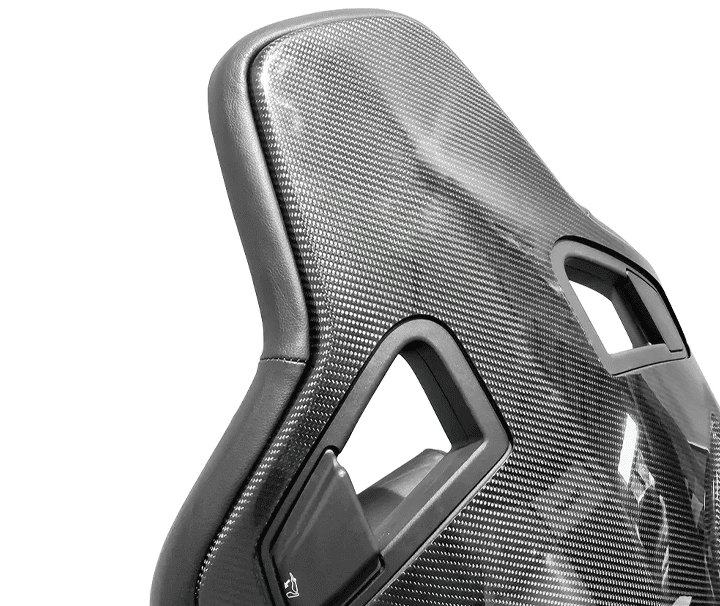
We deliver precision seat trim prototypes using advanced manufacturing and automotive-grade materials to support accurate validation of fit, function, durability, and interior quality.

Contact Us
Overview

Seat Trim
Prototype Capabilities

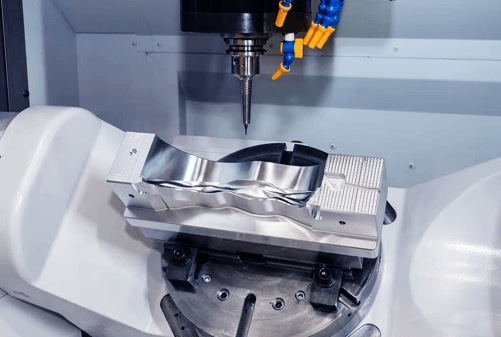
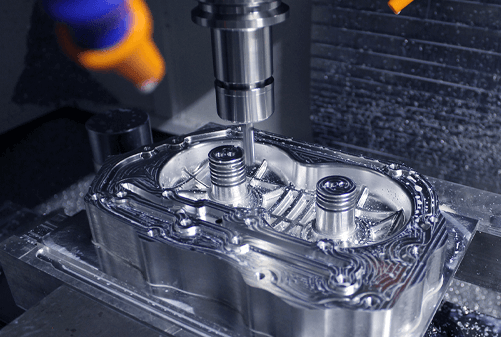
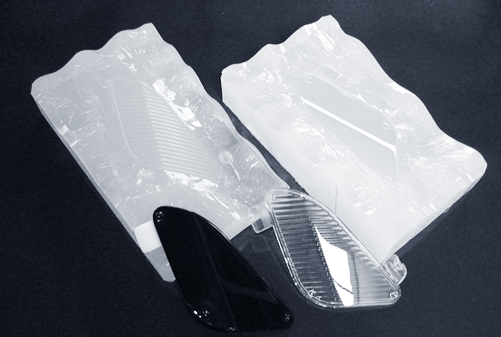
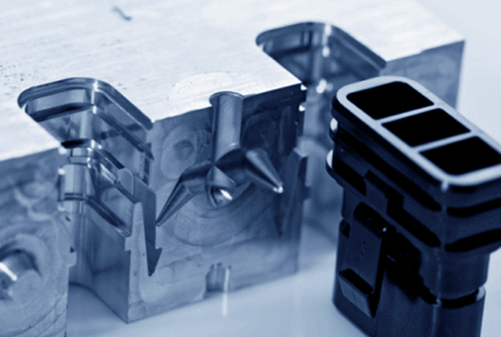
We manufacture seat trim prototypes using CNC machining, thermoforming, and soft tooling to achieve complex geometries, controlled tolerances, and consistent structural performance aligned with automotive standards.

For low-volume requirements, we provide flexible batch production with short lead times, including material selection, surface finishing, and assembly to support design validation and pre-production evaluation.

Contact Us
Challenge

Challenge & Solutions For Seat Trim Prototype

  • 01

    Material Matching

    We replicate production material behavior by selecting equivalent-grade plastics, foams, and textiles, ensuring accurate validation of mechanical performance and environmental durability.

  • 02

    Complex Geometry

    We use multi-axis machining and forming processes to produce complex seat contours, maintaining dimensional accuracy across curved surfaces and multi-component structures.

  • 03

    Surface Quality

    We control surface roughness and texture through finishing and post-processing, enabling realistic evaluation of visual and tactile interior quality.

  • 04

    Fit & Assembly

    We ensure dimensional consistency for proper integration with seat frames, supporting reliable assembly validation and minimizing downstream modification risks.

  • 05

    Process Integration

    We combine machining, forming, and manual processes to simulate real production methods, improving the reliability of prototype testing results.

Capabilities

Seat Trim Prototype Technical Specs

Key technical specifications for seat trim prototype manufacturing, materials, tolerances, and production capabilities overview.

Contact Us
Manufacturing Parameter Technical Specification
Max Part Size 1000 × 600 × 500 mm
Machining Capability 3-axis & 5-axis CNC machining
Dimensional Tolerance ±0.05 mm (machined parts)
Surface Finish Ra 0.8 – 3.2 µm (custom textures available)
Inspection Method Full CMM inspection report
Supported Materials ABS, PP, PU foam, PVC, leather, fabric
Lead Time 3 – 7 business days (prototype) / 10–20 days (batch)
Related

Explore More Parts

Why Choose Us

Why Engineers Choose Our Seat Trim Prototype

  • 01

    Engineering Support

    We provide DFM feedback and process recommendations to optimize designs for manufacturability and reduce development risks.

  • 02

    Scalable Capability

    We support both prototyping and low-volume production, enabling a smooth transition toward mass production without supplier changes.

  • 03

    Consistent Quality

    Standardized processes and inspection methods ensure repeatable results across iterations and batch production.

FAQs

Frequently Asked Questions

Contact Us
What tolerances can you achieve for bumper prototypes?
We achieve ±0.02 mm to ±0.05 mm tolerances, verified by CMM inspection reports to ensure dimensional accuracy and reliable fitment for assembly and validation.
Do you support automotive-grade materials for functional testing?
We machine ABS, PC, PP, and aluminum alloys, supporting functional testing, structural validation, and material performance evaluation aligned with automotive prototype requirements.
Can you meet surface finish requirements for aerodynamic testing?
We control surface roughness through optimized machining and secondary finishing, achieving consistent Ra values suitable for wind tunnel testing and appearance validation.
How do you handle oversized bumper prototype machining?
We segment large parts and use precision bonding and alignment methods to ensure structural integrity, accurate geometry, and consistent performance across the assembled prototype.
What is your lead time for complex bumper prototypes?
Typical lead time is 7–10 business days, depending on geometry and material, supporting fast iteration cycles and timely automotive development and validation schedules.