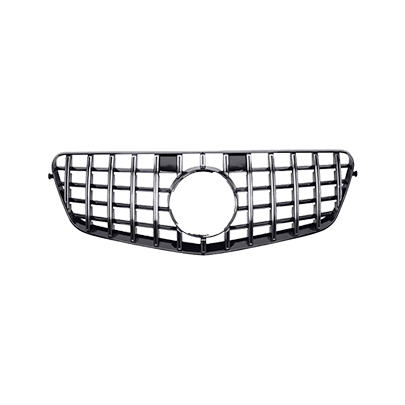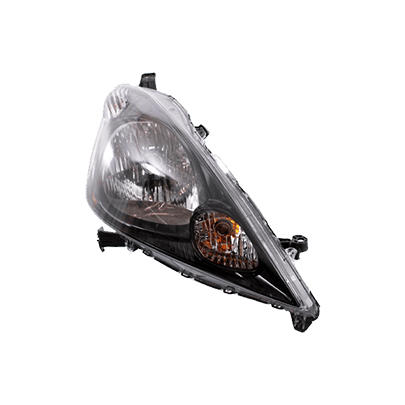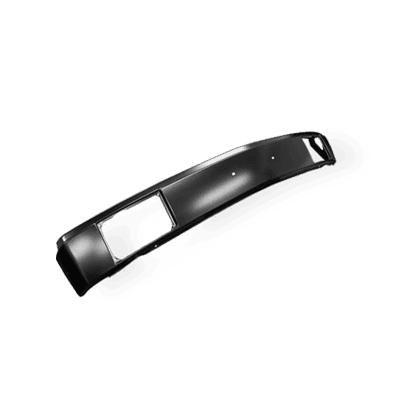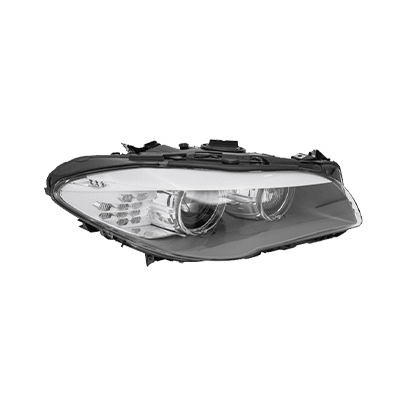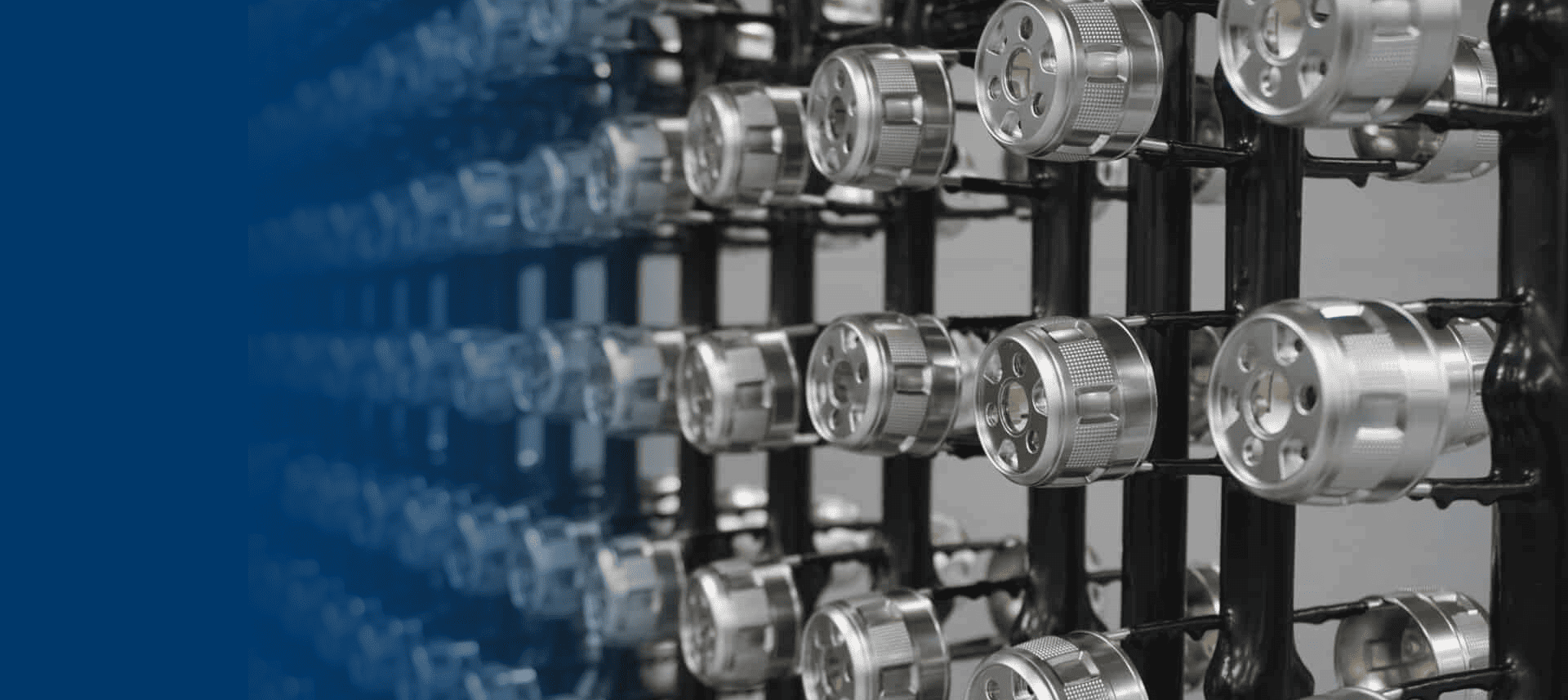
AutorapidProto’s plating services for automotive prototyping apply functional metal layers to improve conductivity, wear resistance, and corrosion protection.
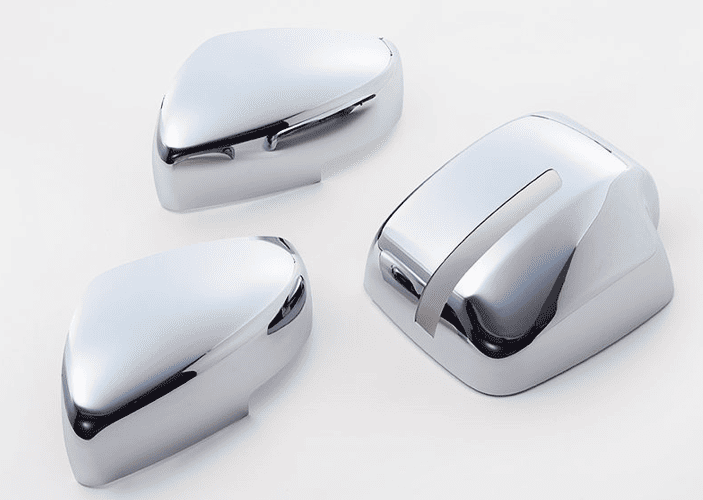
Using electrochemical deposition, we apply controlled metallic coatings that enhance surface functionality, electrical performance, and durability for automotive testing.
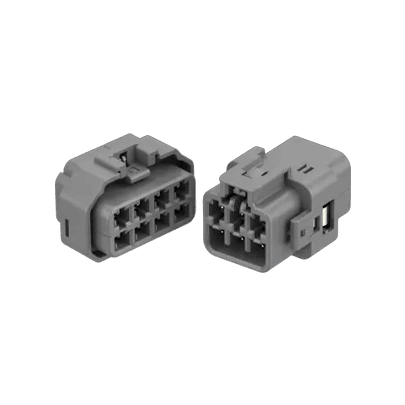
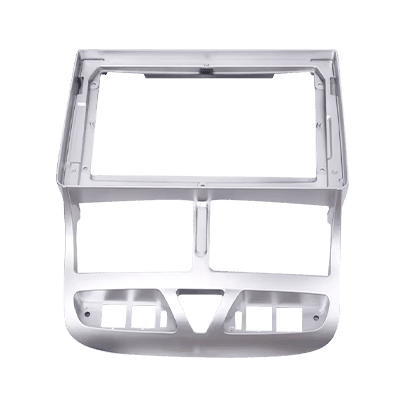
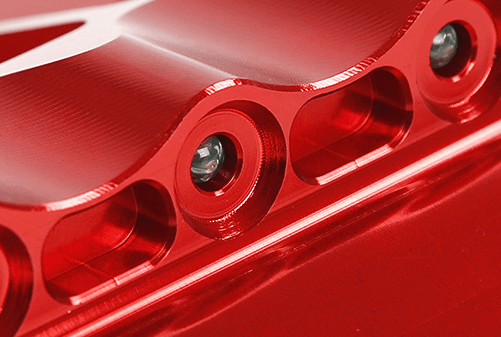
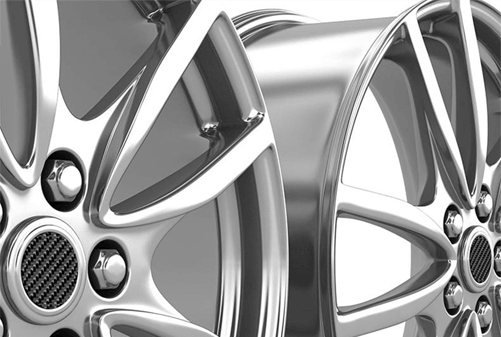
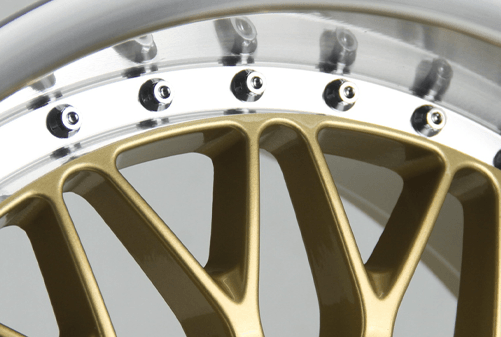
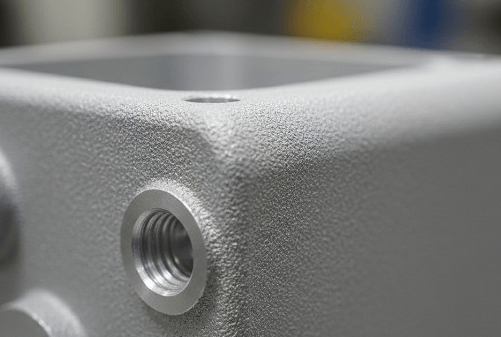
We plate connector terminals, busbars, sensor contacts, fasteners, fuel system components, shielding housings, and decorative trim parts, while supporting small batch production for EV systems, electronic validation, and corrosion testing programs.


Pros
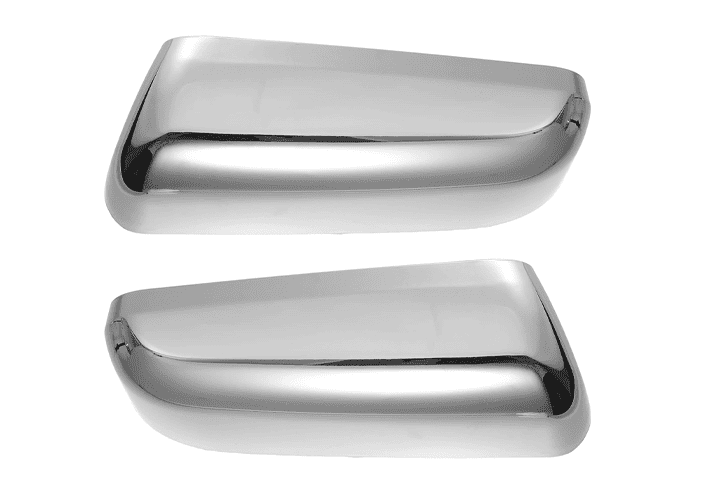
Plating enhances surface functionality by adding conductive, wear-resistant, or corrosion-protective layers, making it essential for automotive prototypes requiring electrical performance, durability testing, or realistic production-like finishes.
Cons
However, the process may involve multiple chemical stages, require careful control to avoid uneven deposition in recessed areas, and can introduce hydrogen embrittlement risks in certain high-strength materials if not properly managed.
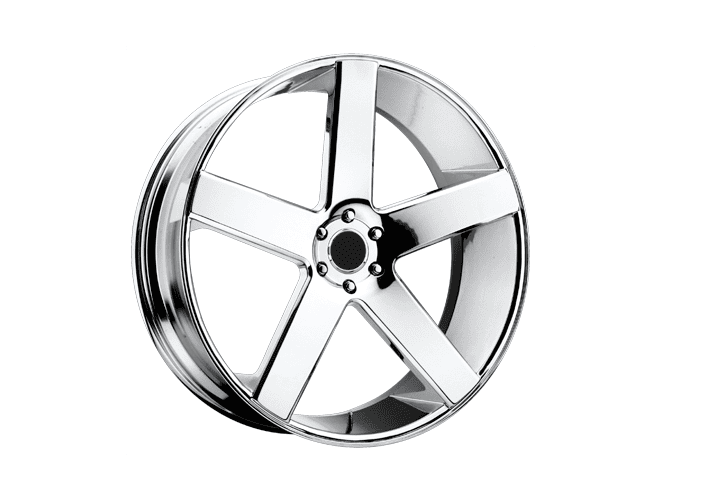
Our plating process for automotive prototypes is controlled through electrochemical conditions, bath composition, and current distribution to ensure consistent metal deposition.
We regulate current density, electrolyte chemistry, agitation, and temperature to maintain stable plating rates across different automotive prototype geometries.
Process control includes surface activation, pre-treatment, plating cycles, rinsing stages, post-treatment processes such as passivation or baking, and inspection checkpoints to ensure coating integrity and repeatable performance for automotive validation.
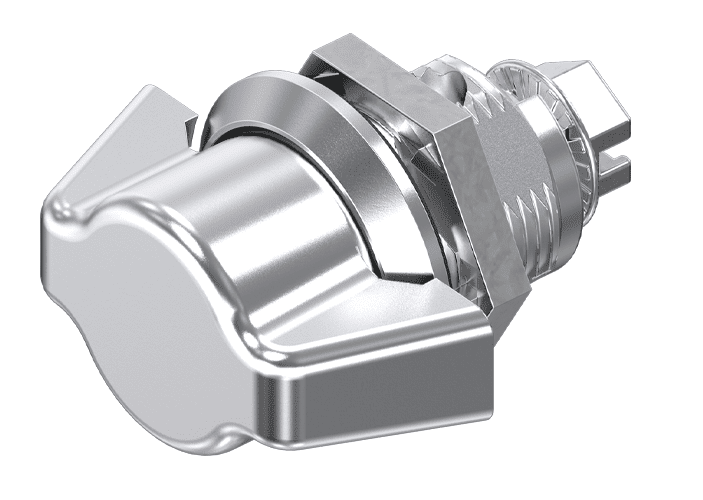
Current Density (1–5 A/dm²)
Controls deposition rate and coating uniformity, ensuring consistent metal layer formation across automotive prototype surfaces.
Bath Temperature (20–60°C)
Maintained temperature range supports stable electrochemical reactions and prevents coating defects during plating operations.
Coating Thickness (5–25 µm typical)
Defines functional performance such as corrosion resistance, conductivity, and wear behavior for automotive prototype applications.

Fill out the form below and our team will get back to you promptly with a personalized quote tailored to your needs.