Magnesium Prototyping for Automotive Industry

High-precision magnesium prototyping for lightweight automotive parts, delivering weight reduction, strong damping, controlled machining, and accurate structural performance.

Contact Us
Overview

Lightweight Magnesium Automotive Solutions

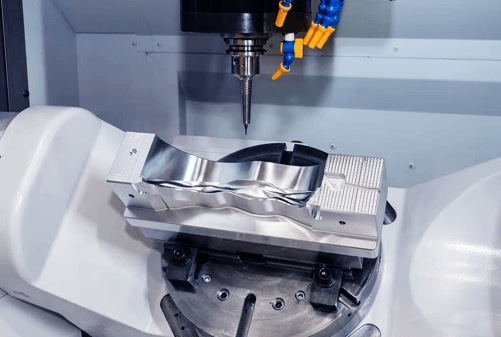
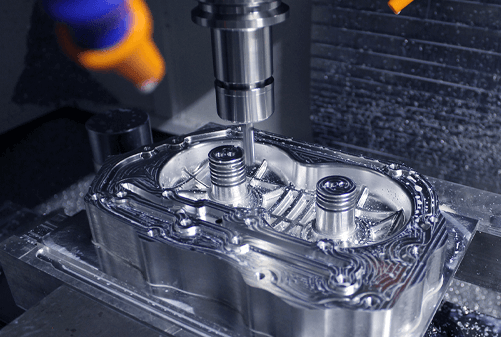
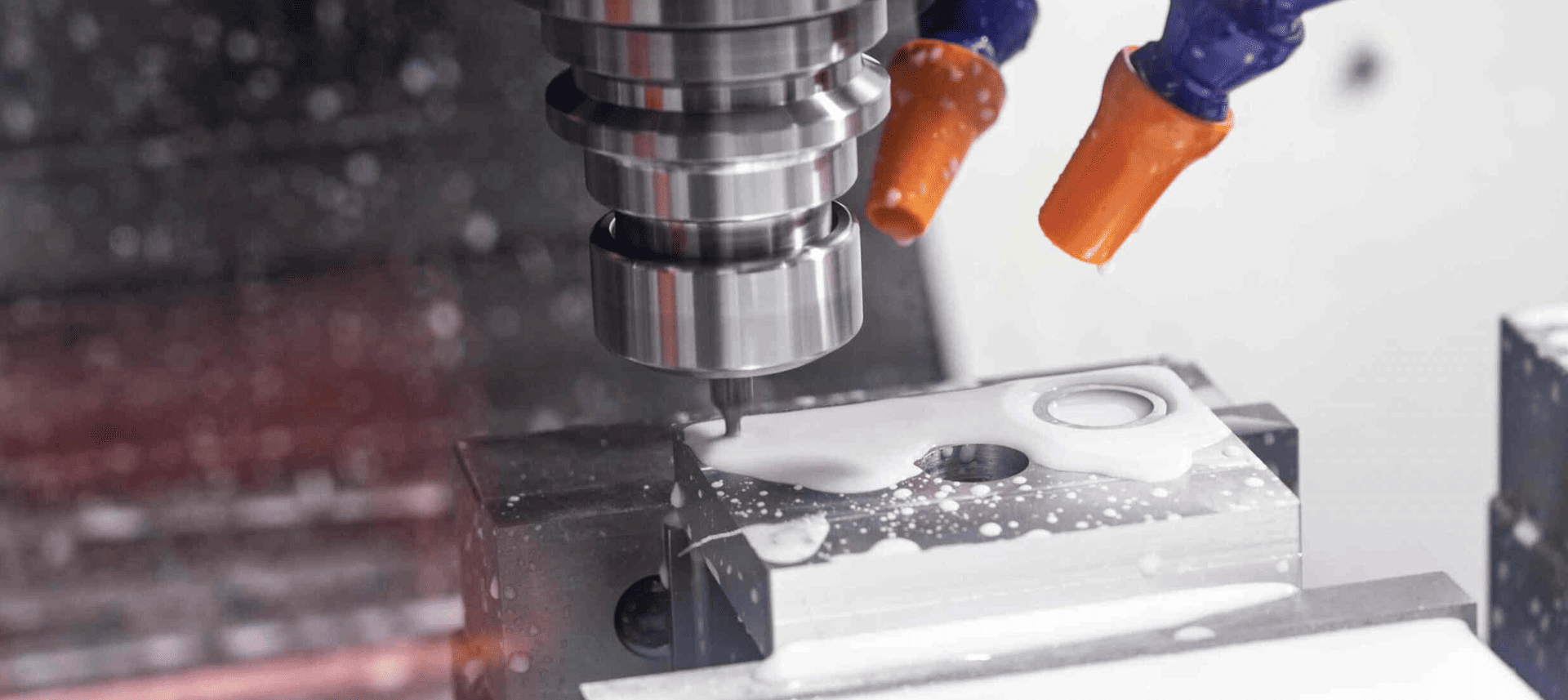
Our magnesium prototyping services focus on ultra-lightweight automotive applications where weight reduction is critical. Ideal for transmission housings, steering components, seat frames, and electronic enclosures, we ensure stability, tight tolerances, and safe machining of reactive materials.

Contact Us
  • Ultra-Low Density Material Use

    Reduces vehicle weight significantly for improved fuel efficiency and range.

  • Excellent Vibration Damping

    Naturally absorbs vibrations for smoother, quieter automotive performance.

  • High Dimensional Stability Control

    Maintains accuracy in complex thin-wall magnesium structures.

  • Specialized Safe Machining Process

    Controlled machining prevents ignition risk and ensures safe production.

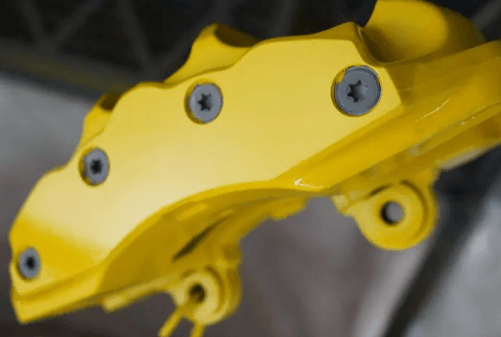
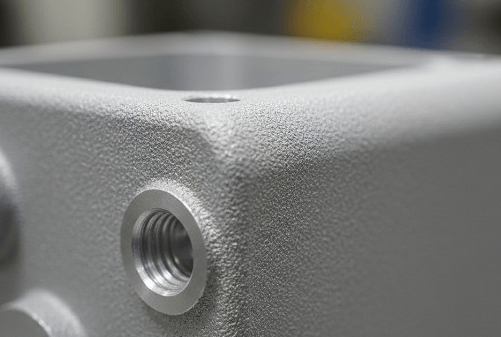
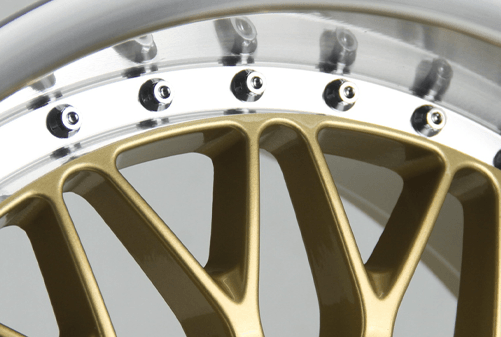
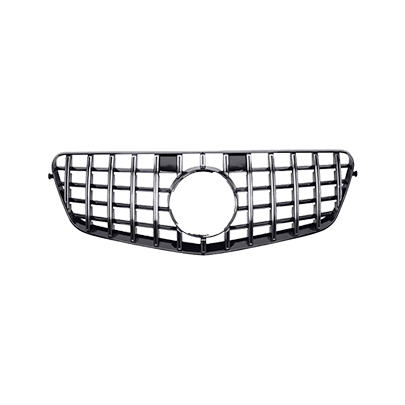
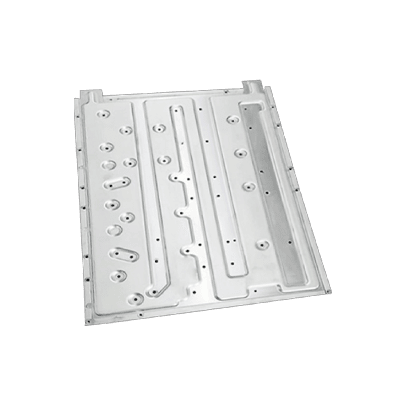
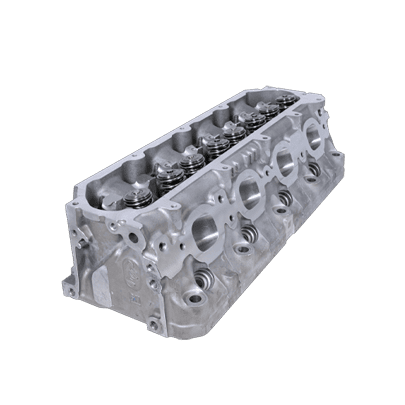
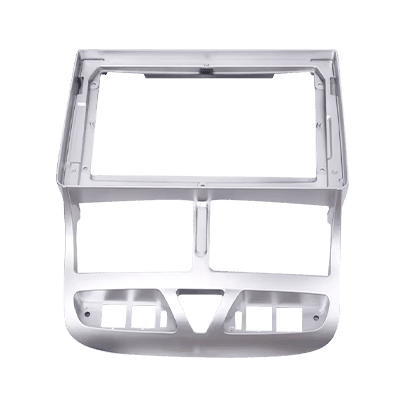
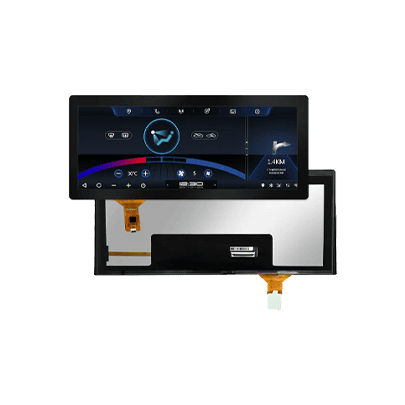
Parts Showcase

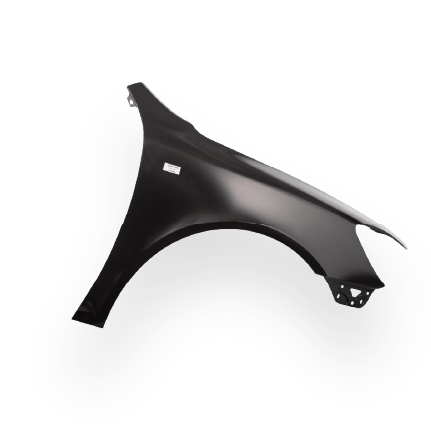
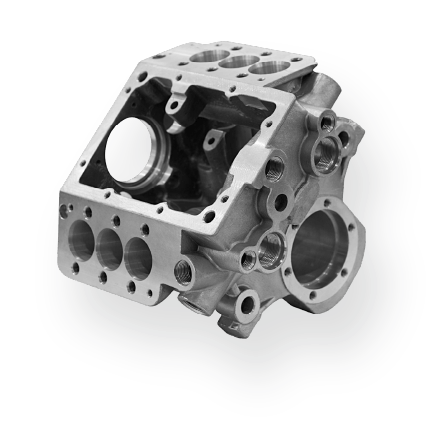
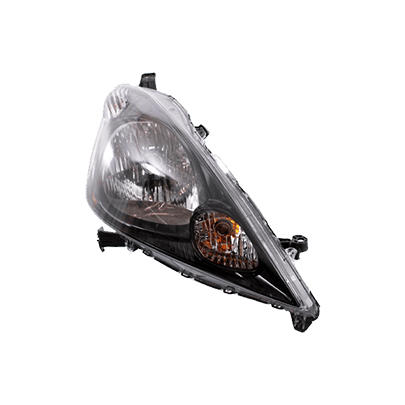
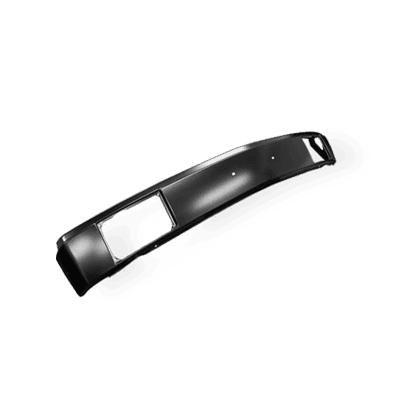
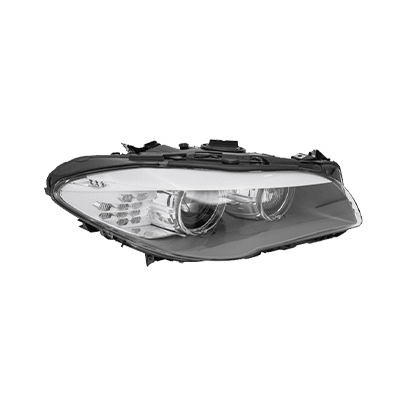
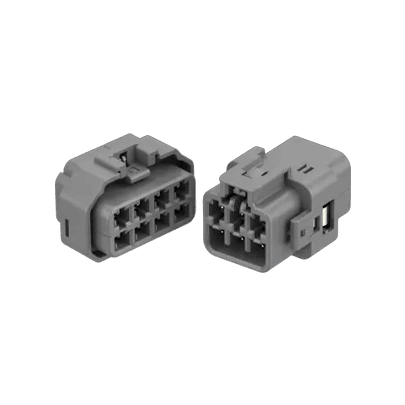
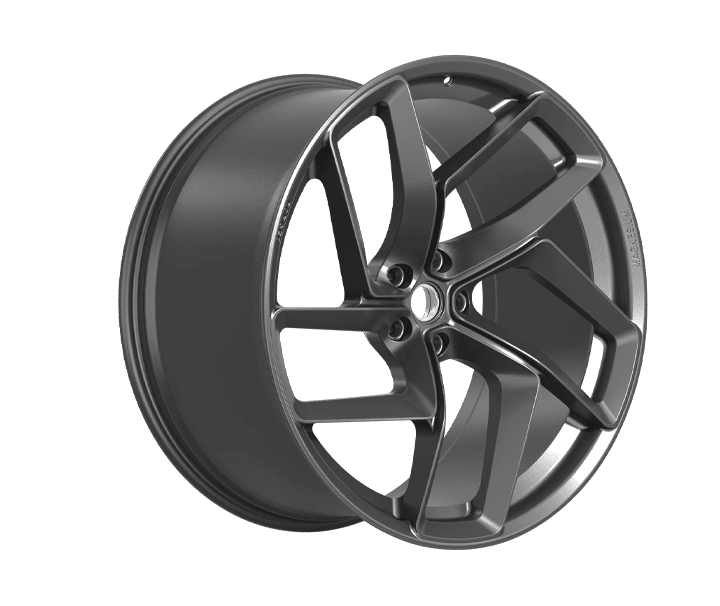
Magnesium Automotive Parts

Alloy

Types of Magnesium for Automotive Industry

Explore commonly used magnesium alloys in automotive prototyping, optimized for lightweight performance, vibration control, and structural efficiency in interior and powertrain components.

Alloy Main Use Strength Machinability Corrosion Res. Remarks
AZ31B Interior brackets, seat frames, dashboard supports
General-purpose sheet and extrusion alloy
AZ91D Transmission housings, engine covers, gearbox casings
Most widely used die-casting alloy
AM60B Steering wheels, crash beams, seat structures
High ductility for safety components
AE44 Powertrain housings, structural reinforcement brackets
High-temperature, high-performance alloy
Materials

Related Materials

  • 01
    Stainless Steel
    High-precision stainless steel prototyping for automotive R&D. Achieve +/-0.005mm accuracy, expert DFM support, and certified FAI reports with rapid delivery.
  • 02
    PMMA
    High-precision PMMA prototyping for automotive lighting and interiors, delivering optical clarity, ISO-certified quality, fast turnaround, and production-grade accuracy.
  • 03
    PC
    High-precision PC prototyping for automotive components, ISO-certified processes delivering impact-resistant parts with tight tolerances and turnaround for production-ready validation.
  • 04
    Aluminum
    Rapid 7-10 day prototyping for automotive aluminum components with +/-0.005mm precision. Expert CNC solutions for E-motor housings and cooling plates.
FAQs

Frequently Asked Questions

Contact Us
What tolerances can you achieve for bumper prototypes?
We achieve ±0.02 mm to ±0.05 mm tolerances, verified by CMM inspection reports to ensure dimensional accuracy and reliable fitment for assembly and validation.
Do you support automotive-grade materials for functional testing?
We machine ABS, PC, PP, and aluminum alloys, supporting functional testing, structural validation, and material performance evaluation aligned with automotive prototype requirements.
Can you meet surface finish requirements for aerodynamic testing?
We control surface roughness through optimized machining and secondary finishing, achieving consistent Ra values suitable for wind tunnel testing and appearance validation.
How do you handle oversized bumper prototype machining?
We segment large parts and use precision bonding and alignment methods to ensure structural integrity, accurate geometry, and consistent performance across the assembled prototype.
What is your lead time for complex bumper prototypes?
Typical lead time is 7–10 business days, depending on geometry and material, supporting fast iteration cycles and timely automotive development and validation schedules.