Quality Inspection & Control

We verify critical dimensions to ±0.005mm using CMM metrology, providing full material traceability and FAI reporting for every automotive prototype.
Contact Us
Design

In-Process & Final Validation

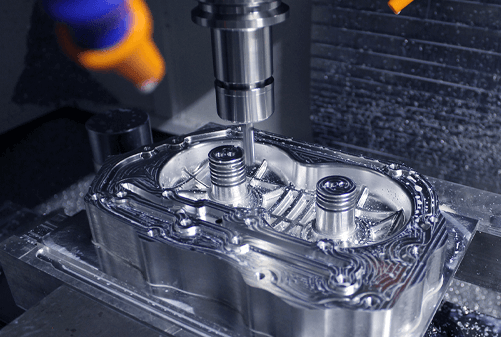
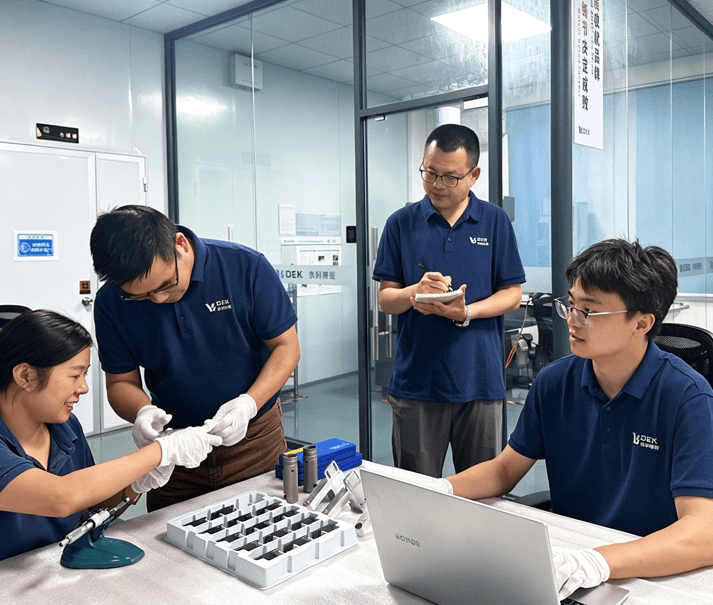
Our facility combines automated CMM metrology with calibrated manual instruments to verify critical automotive tolerances.

  • +/-0.005mm tolerances on critical automotive mating surfaces.
  • Full CMM inspection and Ra 0.4µm surface profiling.
  • 100% material certification and digital batch tracking reports.
  • Coordinate Measuring Machine

    Verifying complex 3D geometries with micron-level precision and FAI reporting.

  • Surface Roughness Testers

    Quantifying texture to Ra 0.4μm for optimal seal and friction performance.

  • Hardness & Material Testing

    High-speed non-contact validation for rapid deviation analysis of organic shapes.

  • Optical & Laser Scanning

    Ensuring structural integrity through verified heat treatment and alloy certification.

Certification

Rigorous Compliance with Automotive Standards

Adhering to IATF 16949 and ISO 9001 frameworks, we deliver fully documented inspection workflows including FAI, CoC, and material certifications for absolute traceability.

Quality Process

Automotive Quality Assurance Workflow

  • Material Verification
    We perform spectral analysis and hardness testing on raw alloys to ensure 100% material authenticity and grade compliance before machining.
  • In-Process Audits
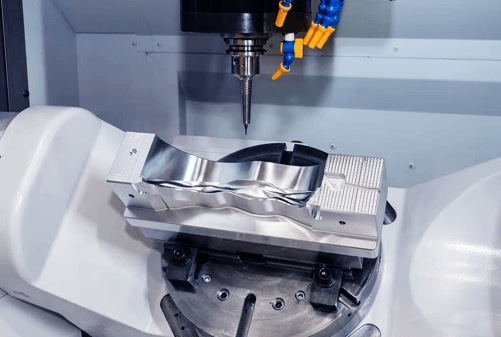
    Real-time dimensional monitoring during CNC cycles using calibrated gauges to maintain critical tolerances and detect tool wear early.
  • Full Dimensional Audit
    Automated CMM programming verifies complex geometries against your CAD model, generating comprehensive FAI and digital inspection reports for validation.
  • Final Quality Release
    A secondary visual and functional audit ensures burr-free surfaces and secure packaging before issuing the final Certificate of Conformance.
Design

Engineering-Led Quality Assurance

We bridge the gap between design and manufacturing by validating every technical requirement through advanced automotive-grade metrology.

  • Comprehensive Documentation

    Providing complete FAI, CoC, and material traceability reports to meet stringent OEM auditing requirements.

  • Temperature-Stabilized CMM

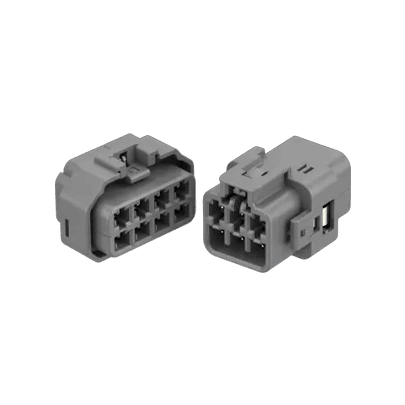
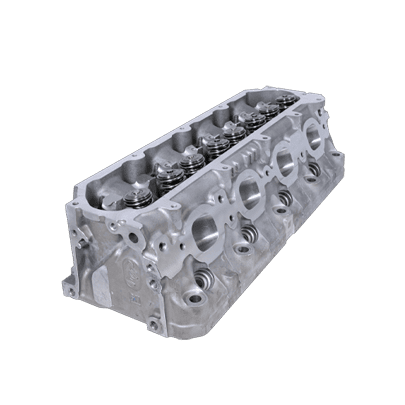
    Measuring critical automotive powertrain and fuel system prototypes within a stabilized CMM room to guarantee absolute dimensional integrity.

  • Assembly-Ready Verification

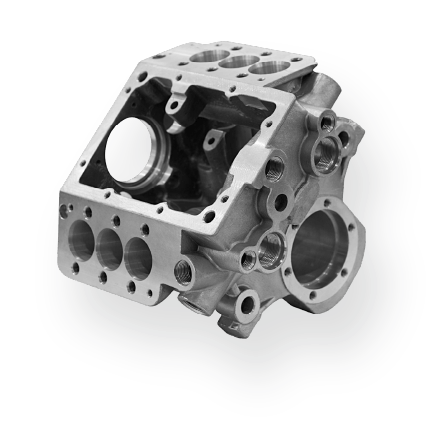
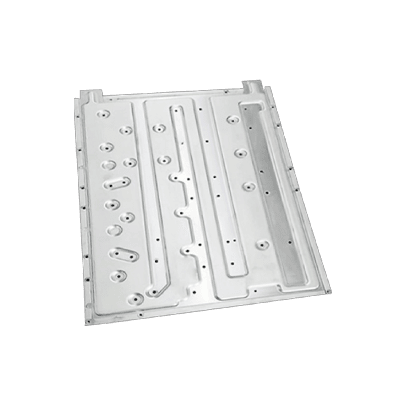
    Auditing critical fitment of complex housings and fluid manifolds to ensure seamless assembly and immediate functional testing upon delivery.
QMS

Quality Management System

We maintain a robust quality infrastructure aligned with IATF 16949 and ISO 9001 standards. Our system executes multi-stage validation utilizing PPAP Level 3 protocols and AS9102 compliant FAI reporting to ensure every automotive component achieves full technical compliance with OEM specifications.

Start Your Project
Advanced Process Control
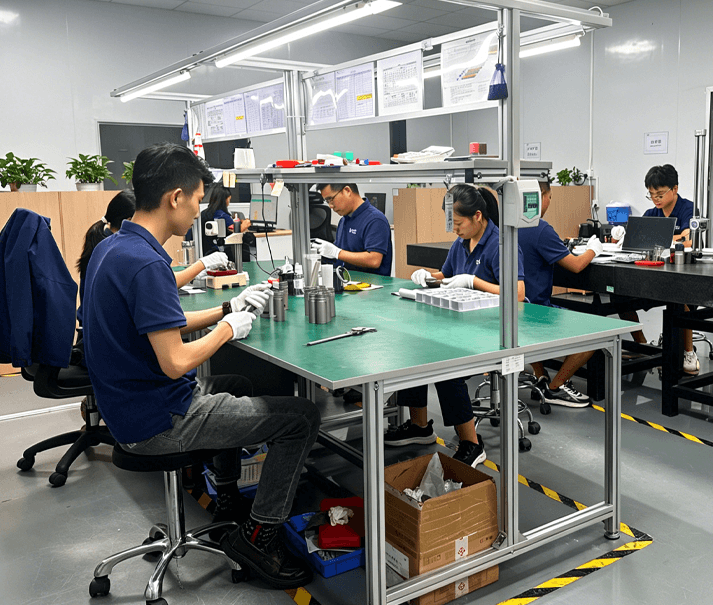
  • Digital QMS integrated with IATF 16949 standards oversees every production phase.
  • Machine-side workstations utilize automated checkpoints for real-time dimension monitoring.
  • Comprehensive digital logs ensure full batch traceability for all automotive components.
Incoming Material Integrity
  • Every raw alloy batch undergoes spectroscopic analysis before entering production lines.
  • Strict hardness testing validates mechanical properties against certified mill test reports.
  • Quarantine protocols prevent non-conforming materials from reaching the CNC machining centers.
In-Process & Final Validation
  • Automated CMM metrology validates complex geometries against original CAD design data.
  • Statistical Process Control monitors critical tolerances to mitigate potential tool wear.
  • Final 100% inspection audits surface integrity and ensures perfect functional fitment.
Systematic Quality Optimization
  • Proactive PDCA cycles drive continuous technical improvements across all manufacturing workflows.
  • FMEA protocols identify potential risks to ensure zero-defect delivery of prototypes.
  • Technician training modules ensure strict compliance with international automotive engineering standards.