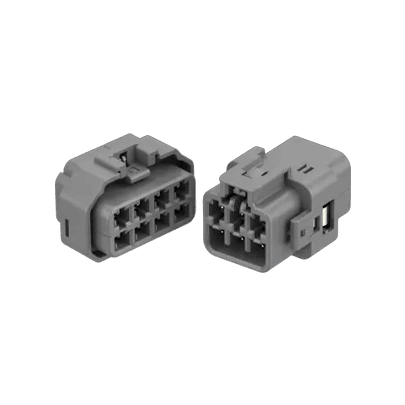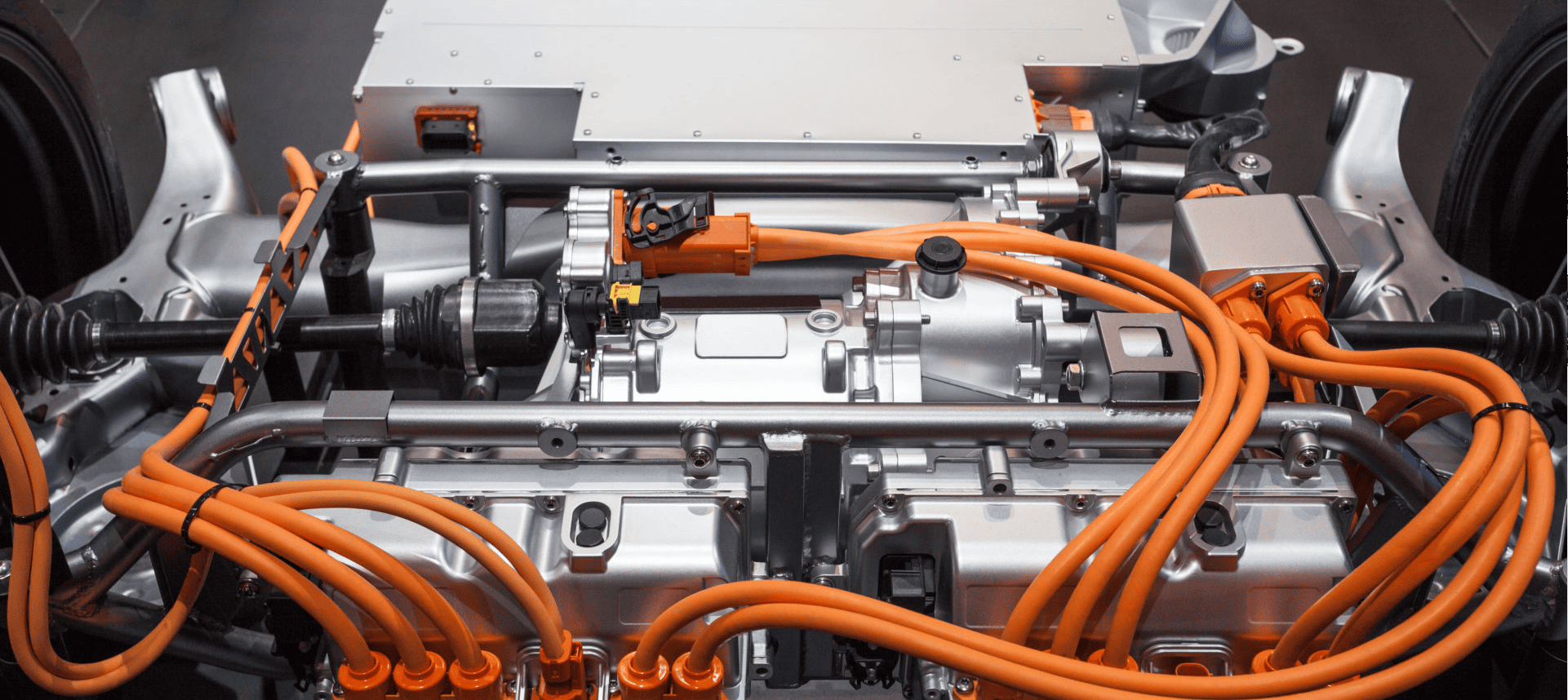
Advanced Automotive Connector Prototype

Accelerating automotive innovation through precision-engineered connector prototypes, offering rapid CNC machining and 3D printing for rigorous functional testing.
Contact Us
Overview

Leading Automotive Connector Prototype Services

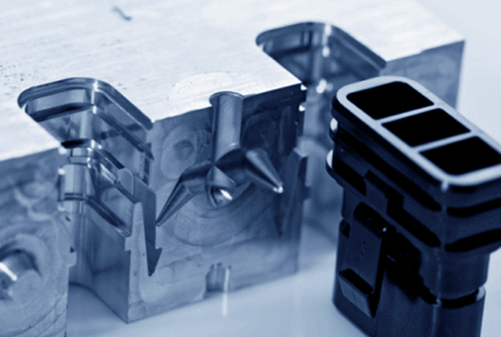
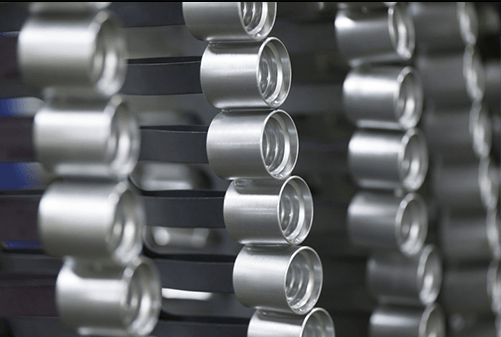
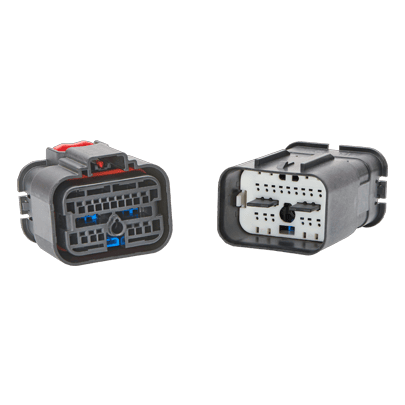
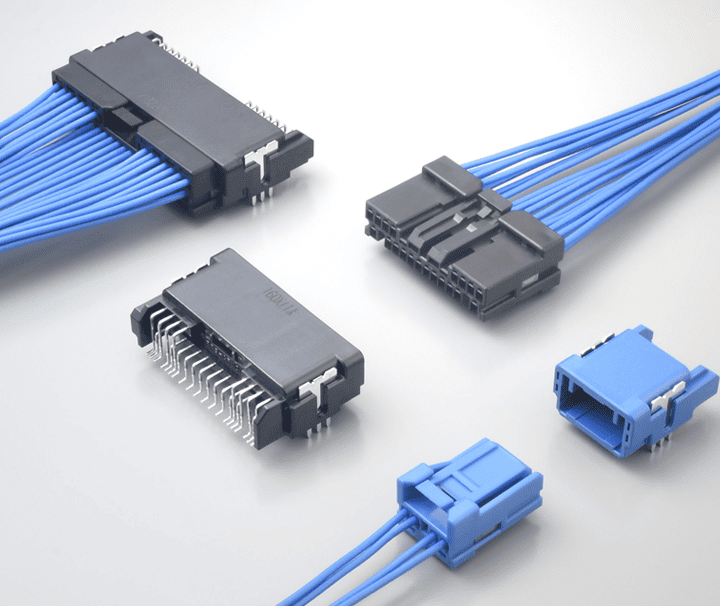
Our facility utilizes high-precision CNC machining and micro-injection molding to achieve micron-level tolerances. We adhere to rigorous quality protocols, ensuring every automotive connector prototype maintains electrical integrity and mechanical durability.

We bridge the gap between initial design and mass assembly through agile small-batch manufacturing. Our services include specialized plating, thermal testing, and rapid tooling, allowing for functional validation before committing to full-scale production.

Contact Us
Challenge

Challenges & Solutions for Automotive Connector Prototype

  • 01

    Material Integrity

    We utilize high-performance thermoplastics and copper alloys, ensuring prototypes withstand extreme thermal cycling and chemical exposure common in demanding automotive under-the-hood or chassis environments.

  • 02

    Signal Accuracy

    Our process maintains precise contact geometry and impedance control, eliminating signal interference to ensure high-speed data transmission meets rigorous automotive communication protocol requirements and standards.

  • 03

    Mechanical Durability

    By employing advanced micro-molding and CNC techniques, we produce connectors that endure high-vibration stress and repeated mating cycles without compromising housing structural integrity or latching reliability.

  • 04

    Geometric Complexity

    We execute intricate internal architectures and thin-wall designs through specialized tooling, allowing engineers to validate complex multi-pin configurations that are typically difficult to manufacture at scale.

  • 05

    Rapid Validation

    Our streamlined production workflow delivers functional samples quickly, enabling engineers to perform immediate physical fit-checks and environmental testing, significantly reducing the overall vehicle development timeline.

Capabilities

Automotive Connector Prototype Technical Specs

Comprehensive technical parameters ensure precision manufacturing and strict adherence to automotive engineering design requirements.

Contact Us
5-Axis CNC Machining Maximum dimensions of 650mm x 500mm x 450mm.
3-Axis CNC Machining Maximum dimensions of 1000mm x 600mm x 500mm.
Minimum Wall Thickness Capable of achieving 0.2mm for intricate connector housings.
Dimensional Tolerances Standard precision maintained at ±0.01mm for critical mating interfaces.
Surface Roughness Achievable finish of Ra 0.8 µm for smooth contact engagement.
Positioning Accuracy Guaranteed within 0.005mm to ensure multi-pin alignment.
Material Compatibility Processing of PBT, PA66, and high-conductivity copper alloys.
Related

Explore More Parts

Why Choose Us

Why Engineers Choose Our Automotive Connector Prototypes

  • 01

    Rapid Turnaround

    Functional prototypes delivered quickly to meet tight vehicle development timelines.

  • 02

    Extreme Precision

    Micron-level tolerances ensuring perfect fitment and reliable electrical contact.

  • 03

    Material Expertise

    Processing specialized automotive resins and high-conductivity alloys with accuracy.

FAQs

Frequently Asked Questions

Contact Us
What tolerances can you achieve for bumper prototypes?
We achieve ±0.02 mm to ±0.05 mm tolerances, verified by CMM inspection reports to ensure dimensional accuracy and reliable fitment for assembly and validation.
Do you support automotive-grade materials for functional testing?
We machine ABS, PC, PP, and aluminum alloys, supporting functional testing, structural validation, and material performance evaluation aligned with automotive prototype requirements.
Can you meet surface finish requirements for aerodynamic testing?
We control surface roughness through optimized machining and secondary finishing, achieving consistent Ra values suitable for wind tunnel testing and appearance validation.
How do you handle oversized bumper prototype machining?
We segment large parts and use precision bonding and alignment methods to ensure structural integrity, accurate geometry, and consistent performance across the assembled prototype.
What is your lead time for complex bumper prototypes?
Typical lead time is 7–10 business days, depending on geometry and material, supporting fast iteration cycles and timely automotive development and validation schedules.