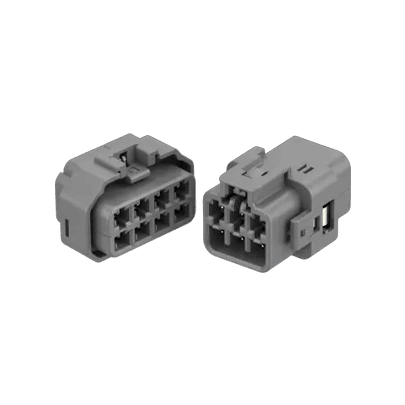
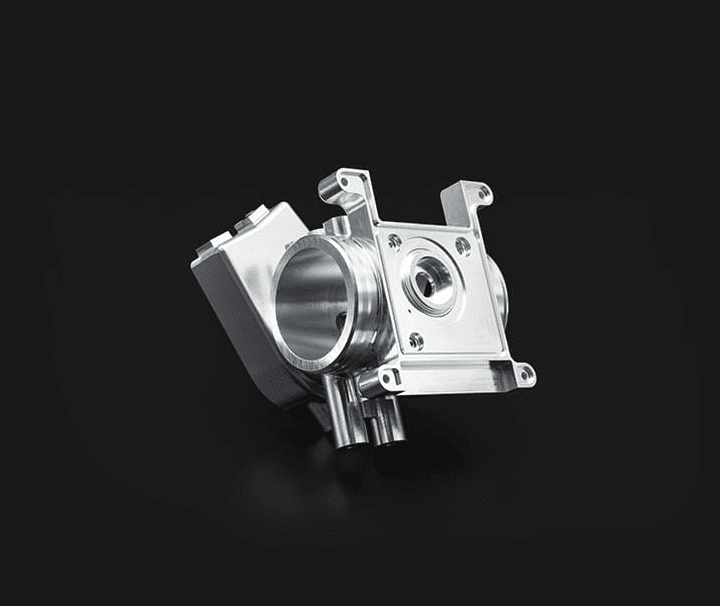
Precision Sensor Housing Prototype

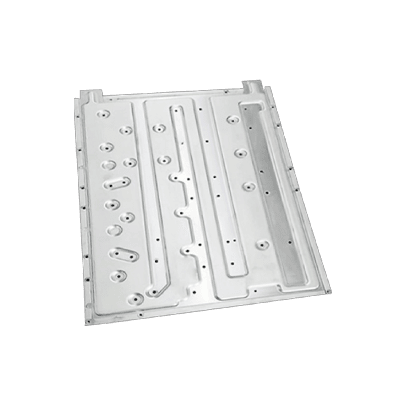
Achieve rapid validation with sensor housing prototypes offering integrated thermal management and electromagnetic interference protection for sophisticated electronic systems.

Contact Us
Overview

Specialized Sensor Housing Prototype Manufacturing

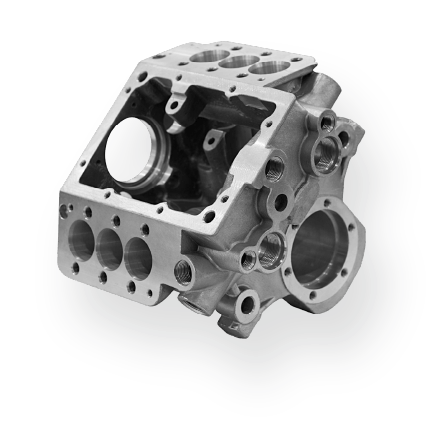
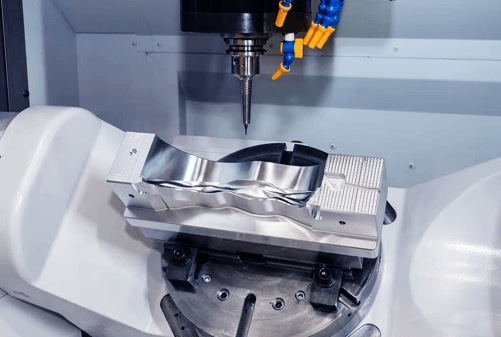
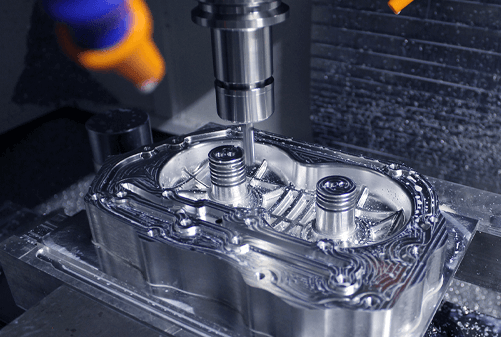
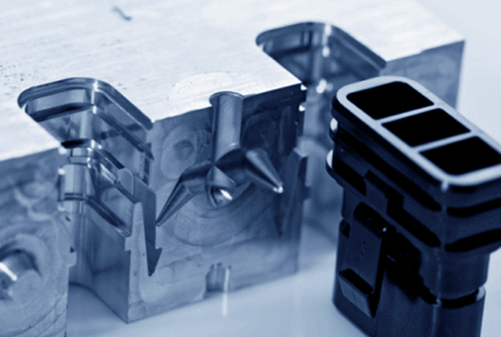
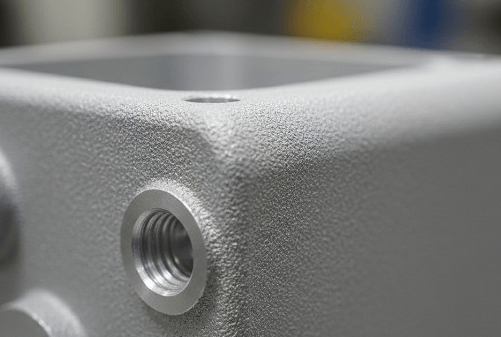
Precision multi-axis CNC machining and precision casting ensure that every housing meets sub-micron tolerances. Rigorous validation protocols confirm hermetic sealing and structural stability, satisfying the most demanding automotive engineering requirements.

Scalable manufacturing accelerates the transition from initial design to mass production through agile small-batch runs. Integrated services like secondary machining, EMI shielding, and thermal testing enable comprehensive functional performance assessments.

Contact Us
Challenges

Challenge & Solutions For Sensor Housing Prototypes

  • 01

    Environmental Sealing

    Moisture ingress ruins sensitive electronics, so our process focuses on machining exact O-ring gland geometries and flat mating surfaces that guarantee a hermetic seal.

  • 02

    Thermal Management

    Sensitive sensors drift when they overheat. We solve this by integrating high-efficiency cooling fins and utilizing aerospace-grade alloys that pull heat away from internal circuits.

  • 03

    EMI Shielding

    Signal noise can compromise safety data; therefore, we apply specialized conductive plating or utilize solid-billet fabrication to create a complete Faraday cage around your components.

  • 04

    Mechanical Shock

    Automotive environments are brutal on mounting points. We optimize wall thicknesses and utilize impact-resistant polymers to ensure internal optical alignments remain undisturbed during high-G events.

  • 05

    Dimensional Stability

    Warping during thermal cycling is a common failure point. We employ specific stress-relieving heat treatments to ensure the housing retains its shape and mounting precision indefinitely.

Capabilities

Sensor Housing Prototype Technical Specs

High-precision manufacturing parameters engineered to meet stringent automotive requirements for housing durability and signal accuracy.

Contact Us
Manufacturing Parameter Technical Specification
5-Axis CNC Travel Maximum machining envelope of 650 × 500 × 450 mm for complex geometries
3-Axis CNC Capacity Large-format machining up to 1000 × 600 × 500 mm for oversized enclosures
Dimensional Tolerance Precision machining held to +/-0.01 mm to ensure perfect internal sensor alignment
Surface Roughness Finishes achievable down to Ra 0.8 µm for superior gasket sealing surfaces
Wall Thickness Capability to maintain structural integrity at 0.5 mm for lightweight, compact designs
Ingress Protection Manufacturing standards designed to support IP67 and IP69K sealing requirements
Material Range Machining of AL6061-T6, stainless steel, and high-performance thermoplastics like PEEK or Ultem
Related

Explore More Parts

Why Choose Us

Why Engineers Choose Our Sensor Housing Prototypes

  • 01

    Technical Precision

    Sub-micron machining ensures internal components align perfectly for accurate data.

  • 02

    Material Integrity

    We process durable, automotive-grade alloys and polymers for harsh environments.

  • 03

    Rapid Validation

    Swift manufacturing cycles allow for immediate functional and environmental testing.

FAQs

Frequently Asked Questions

Contact Us
What tolerances can you achieve for bumper prototypes?
We achieve ±0.02 mm to ±0.05 mm tolerances, verified by CMM inspection reports to ensure dimensional accuracy and reliable fitment for assembly and validation.
Do you support automotive-grade materials for functional testing?
We machine ABS, PC, PP, and aluminum alloys, supporting functional testing, structural validation, and material performance evaluation aligned with automotive prototype requirements.
Can you meet surface finish requirements for aerodynamic testing?
We control surface roughness through optimized machining and secondary finishing, achieving consistent Ra values suitable for wind tunnel testing and appearance validation.
How do you handle oversized bumper prototype machining?
We segment large parts and use precision bonding and alignment methods to ensure structural integrity, accurate geometry, and consistent performance across the assembled prototype.
What is your lead time for complex bumper prototypes?
Typical lead time is 7–10 business days, depending on geometry and material, supporting fast iteration cycles and timely automotive development and validation schedules.