Custom Grille Prototype Machining

Precise automotive grille prototypes built with tight dimensional tolerances, quality surface finish, and high-grade materials to meet your project requirements.

Contact Us
Overview

Grille Prototype Manufacturing Capabilities

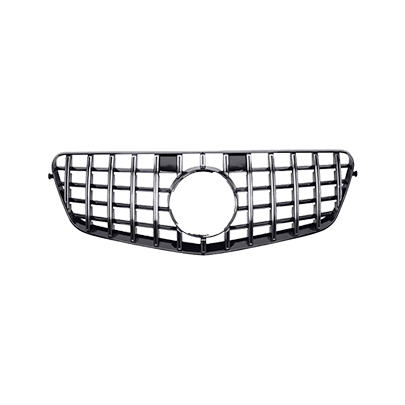
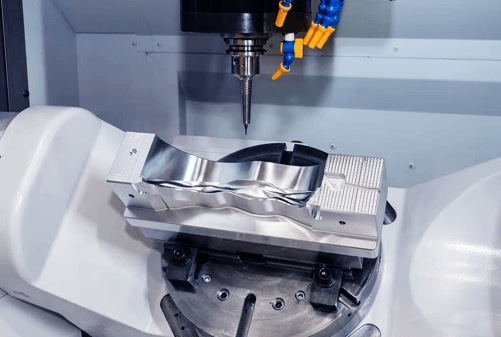
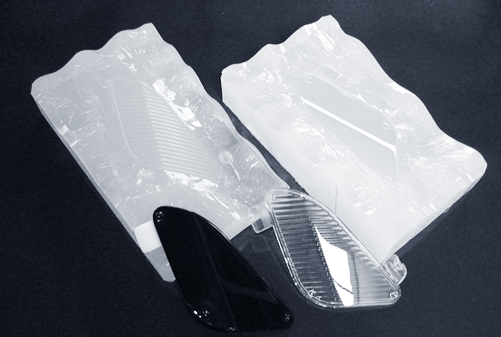
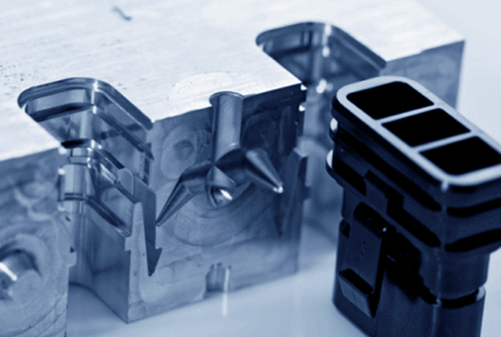
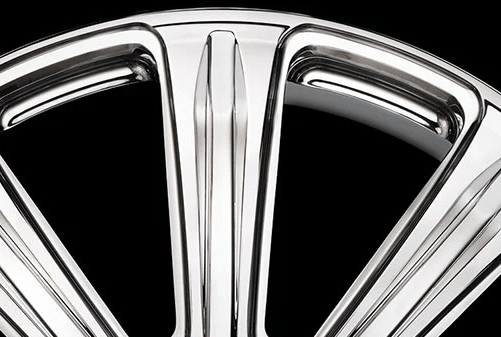
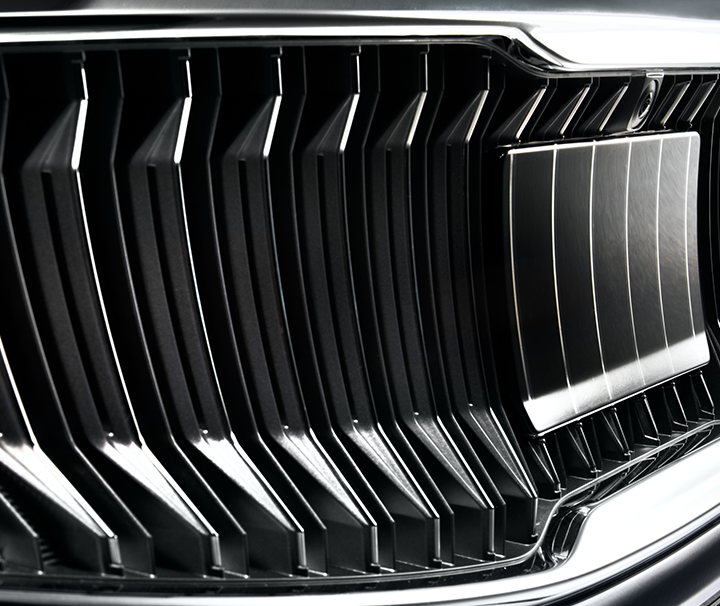
Our grille prototype production combines CNC machining, vacuum casting, and rapid tooling to achieve clean geometries, tight dimensional tolerances, and surface finishes that replicate production-grade automotive parts.

 From single-unit validation samples to low-volume pre-production runs, we support grille prototyping across multiple materials, including ABS, PC, and die-cast aluminum, with full DFM review and assembly-fit verification.

Contact Us
Challenge

Challenges and Solutions for Grille Prototypes

  • 01

    Thin-wall machining

    Grille bars demand sub-2mm wall cuts without deflection. Rigid fixturing combined with high-speed adaptive toolpaths maintains structural integrity throughout the CNC machining cycle.

  • 02

    Tool Path Complexity

    Intersecting grille bar angles require continuous 5-axis repositioning. Optimized CAM strategies eliminate redundant tool moves, preserving edge sharpness and profile accuracy.

  • 03

    Surface consistency

    Achieving uniform Ra values across wide grille faces is difficult with single-pass cutting. Sequential finishing passes with decreasing stepover values produce even, blemish-free surfaces.

  • 04

    Material Removal rate

    Bulky grille blanks require aggressive roughing before finish passes. Trochoidal milling strategies maximize chip evacuation, protecting cutter life and preventing thermal distortion.

  • 05

    Post-Processing Sequencing

    Grille prototypes require coordinated handoffs between machining, deburring, and plating. A structured production routing system ensures every stage is completed in the correct process order.

Capabilities

Grille Prototype Technical Specifications

Core dimensional, material, and process parameters that engineers need when evaluating grille prototype manufacturing for automotive development programs.

Contact Us
Parameters Details
Max Part Dimensions 1,600 × 600 × 300 mm (CNC); 1,200 × 500 × 250 mm (vacuum casting)
Dimensional Tolerance ±0.05 mm (CNC); ±0.2 mm (vacuum cast)
Available Materials ABS, ASA, PC-ABS, PA6-GF, die-cast aluminum alloy (A380), PMMA
Surface Finish Ra 0.4–3.2 µm
Machining Axes 3-axis and 5-axis CNC
Minimum Bar Width 1.2 mm (CNC machined); 0.8 mm (SLA)
Prototype Lead Time 3–7 business days
Related

Explore More Parts

Why Choose Us

How DEK Adds Value to Your CNC Project

  • 01

    Verified Precision

    Every grille prototype ships with full CMM dimensional reports included.

  • 02

    Fast Iteration

    Revised grille prototypes re-machined and delivered within three business days.

  • 03

    Global Delivery

    Grille prototypes securely packaged and shipped to engineering teams worldwide.

FAQs

Frequently Asked Questions

Contact Us
What tolerances can you achieve for bumper prototypes?
We achieve ±0.02 mm to ±0.05 mm tolerances, verified by CMM inspection reports to ensure dimensional accuracy and reliable fitment for assembly and validation.
Do you support automotive-grade materials for functional testing?
We machine ABS, PC, PP, and aluminum alloys, supporting functional testing, structural validation, and material performance evaluation aligned with automotive prototype requirements.
Can you meet surface finish requirements for aerodynamic testing?
We control surface roughness through optimized machining and secondary finishing, achieving consistent Ra values suitable for wind tunnel testing and appearance validation.
How do you handle oversized bumper prototype machining?
We segment large parts and use precision bonding and alignment methods to ensure structural integrity, accurate geometry, and consistent performance across the assembled prototype.
What is your lead time for complex bumper prototypes?
Typical lead time is 7–10 business days, depending on geometry and material, supporting fast iteration cycles and timely automotive development and validation schedules.