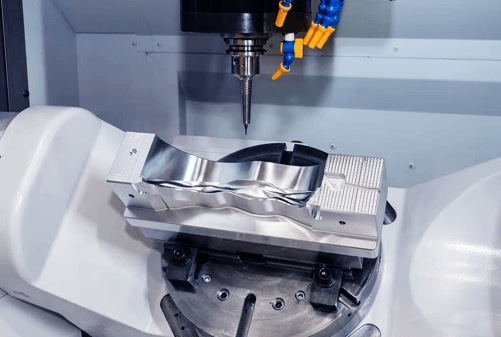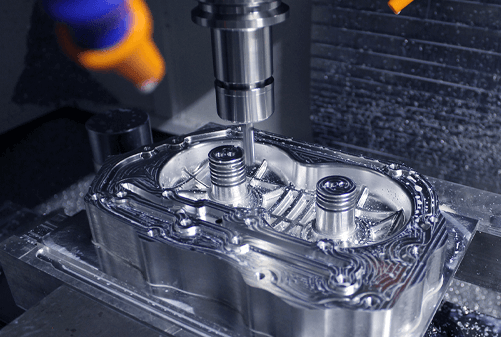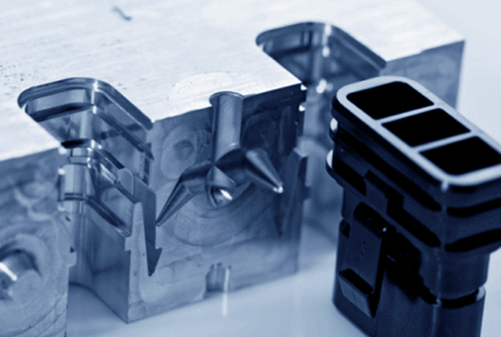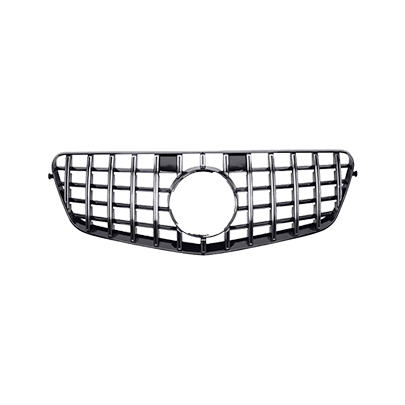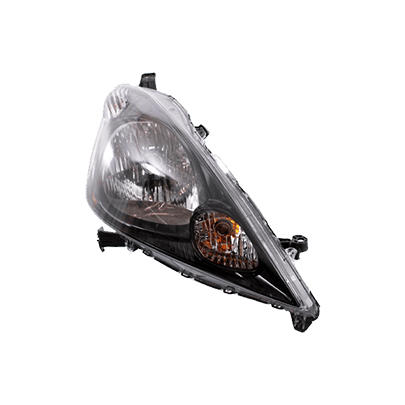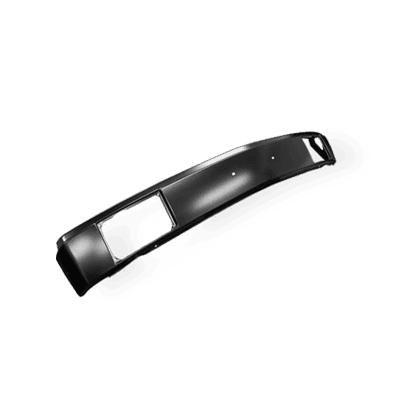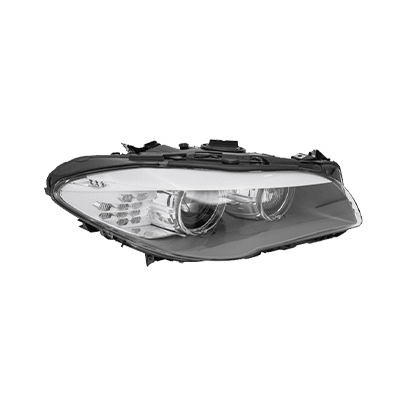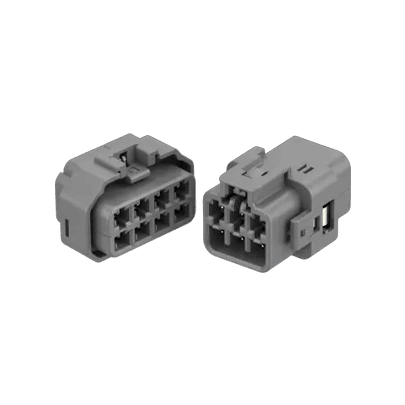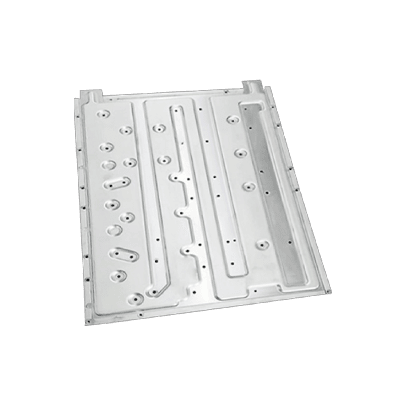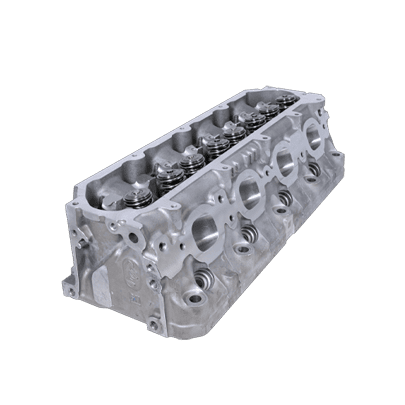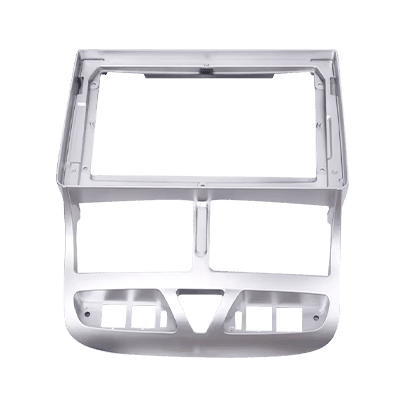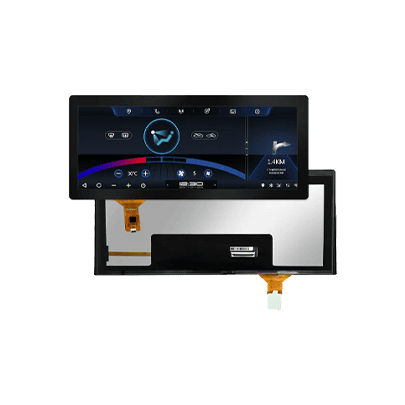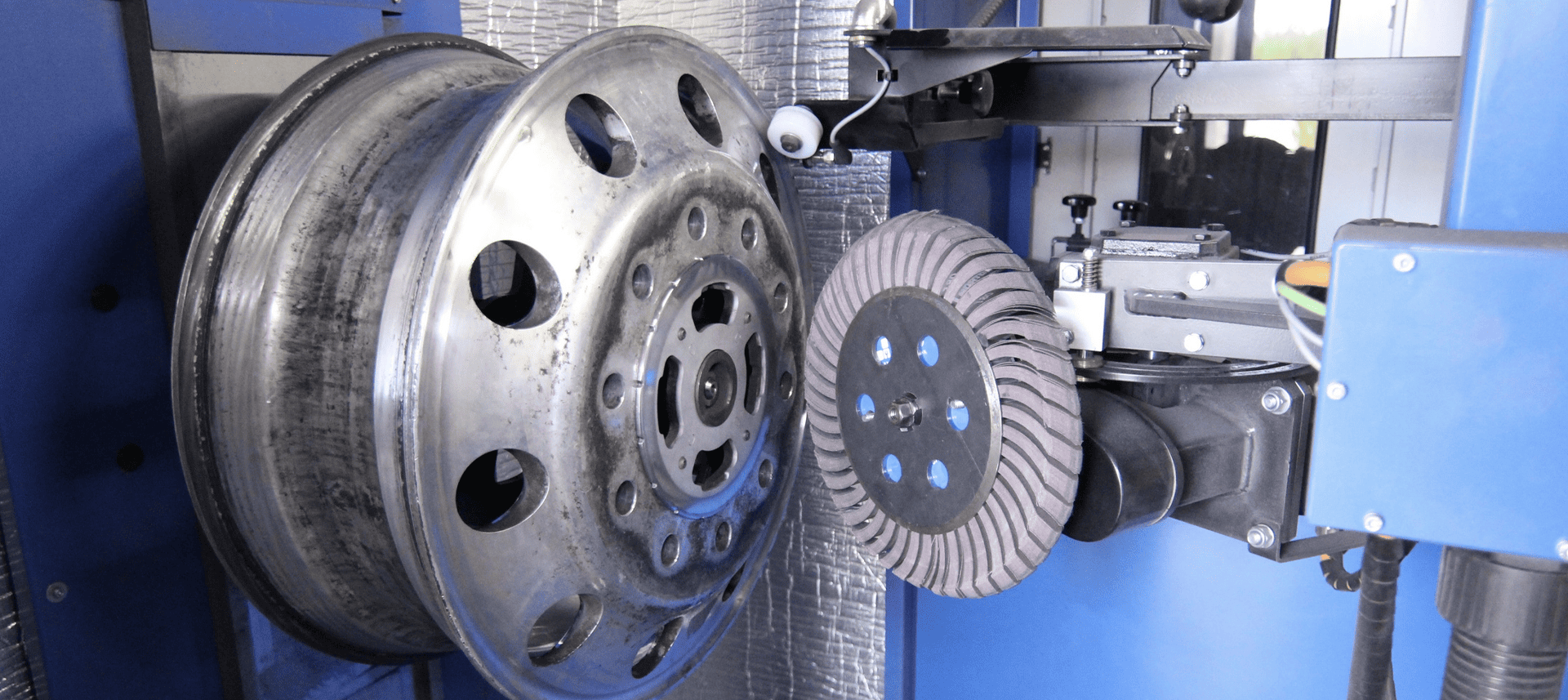
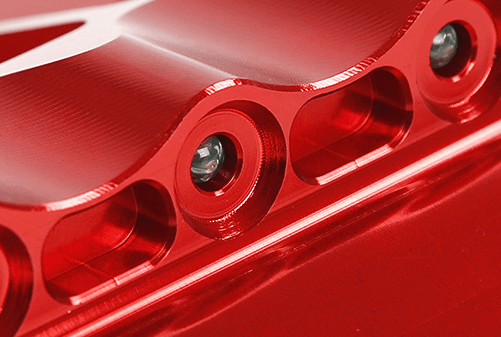
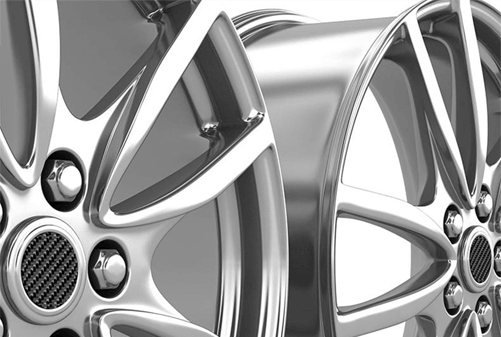
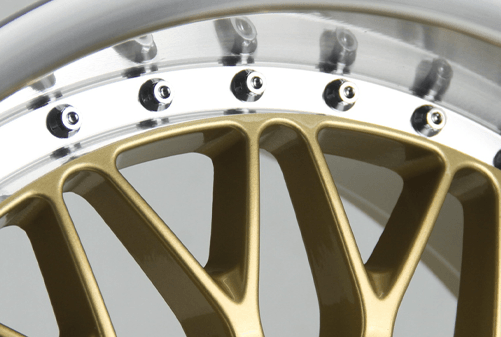
Our polishing services for automotive prototyping refine aluminum and metal components, achieving smooth, high-precision surfaces for functional and visual validation.
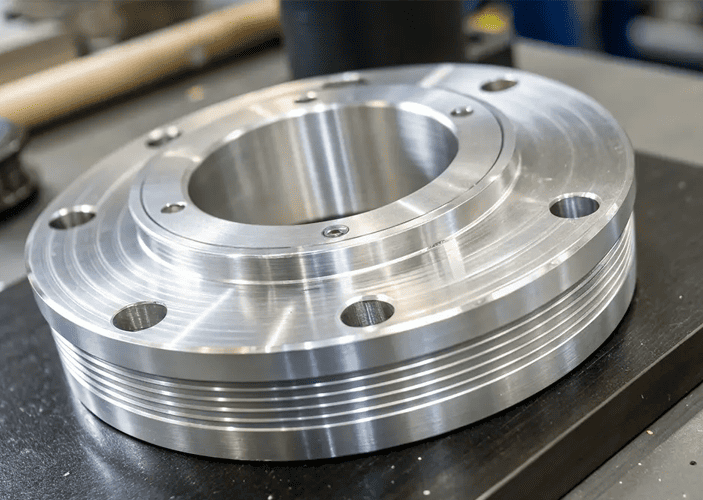
We provide polishing services for automotive prototypes, improving surface smoothness, reflectivity, and consistency for engineering evaluation and design verification.
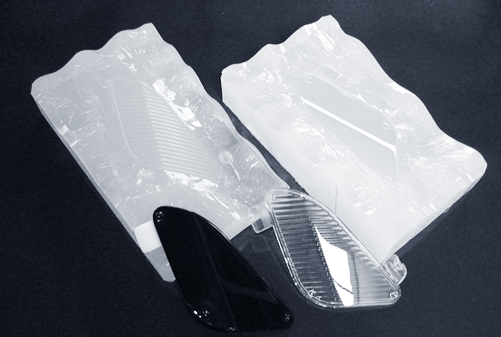
We process headlamp reflector surfaces, interior piano-black trim panels, infotainment display bezels, HVAC control knobs, mirror housings, and decorative prototype accents, while also supporting small batch production for concept vehicles, EV interiors, and premium design validation programs.


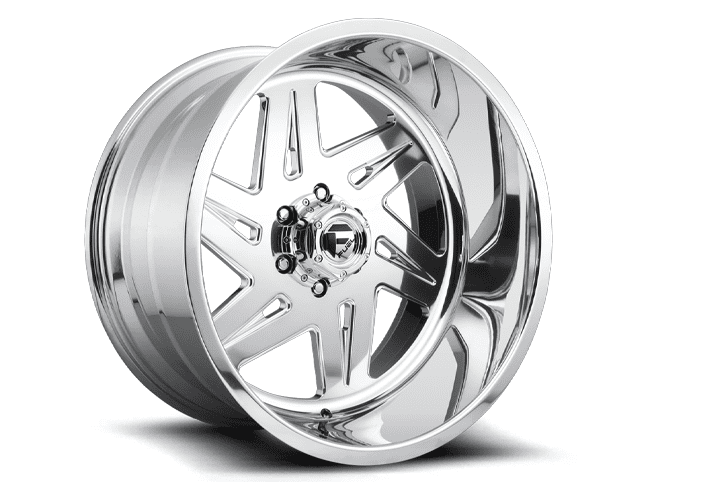
Pros
Polishing delivers excellent surface refinement, improving visual quality, reducing friction, and enhancing part presentation. It is especially valuable for automotive prototypes requiring design validation, aerodynamic evaluation, and consumer-facing appearance assessment.
Cons
However, polishing may require skilled manual or semi-automated control, can introduce slight dimensional changes if overprocessed, and may produce variability on complex geometries or mixed-material assemblies if process control is not tightly managed.
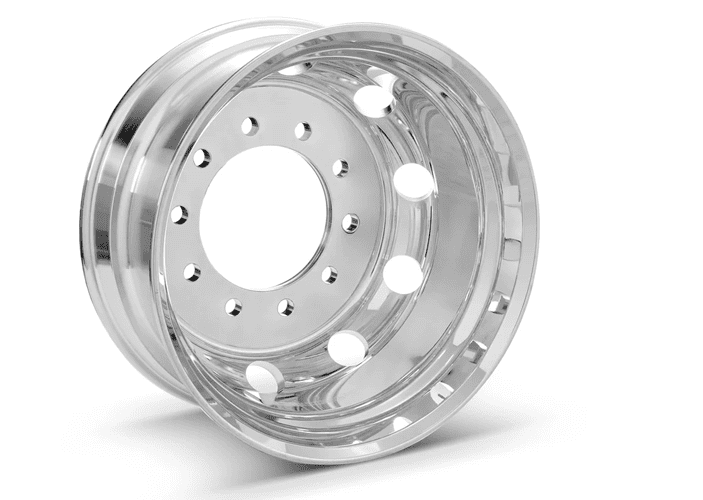
Our polishing process for automotive prototypes is controlled through mechanical, abrasive, and finishing parameters to ensure repeatable surface quality across different metal components.
We regulate abrasive grades, polishing pressure, rotation speed, and tool selection to maintain consistent surface refinement across aluminum and steel prototype parts with varying geometry complexity.
Process control includes staged finishing sequences, compound selection, inspection checkpoints, and surface cleanliness verification to ensure stable Ra values and uniform visual appearance for automotive validation and design review.
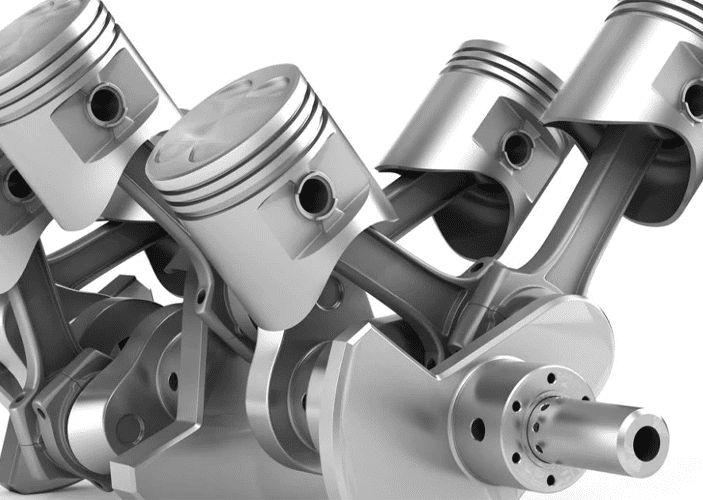
Surface Roughness Control (Ra 0.2–0.8 µm):
Defines final surface smoothness level, enabling either mirror-like reflection or controlled satin finishes depending on automotive prototype design requirements.
Abrasive Grade Selection (800–3000 grit):
Determines material removal precision and finish texture, allowing staged refinement from initial smoothing to final cosmetic surface detailing.
Polishing Pressure & Speed (Low–Medium Control):
Balanced application prevents overheating or surface distortion while ensuring consistent material flow for uniform automotive prototype surface quality.

Fill out the form below and our team will get back to you promptly with a personalized quote tailored to your needs.