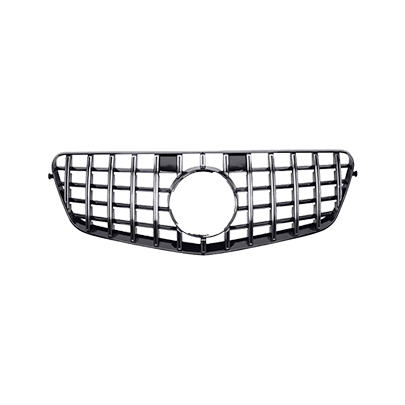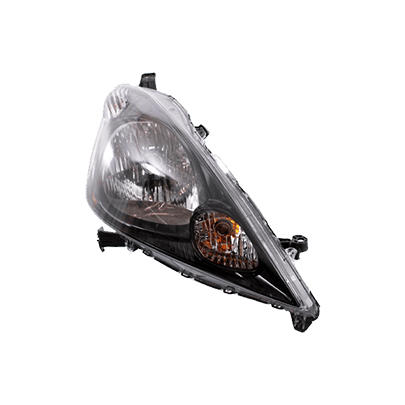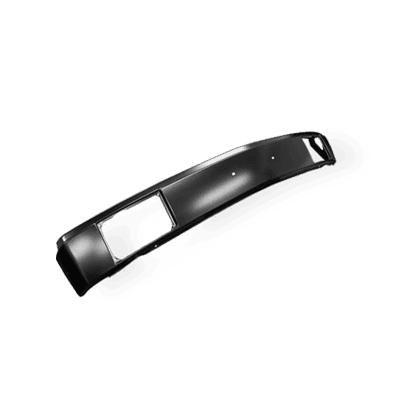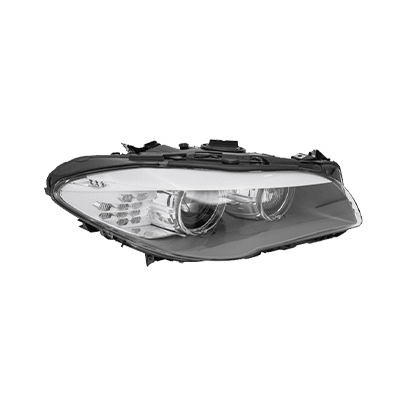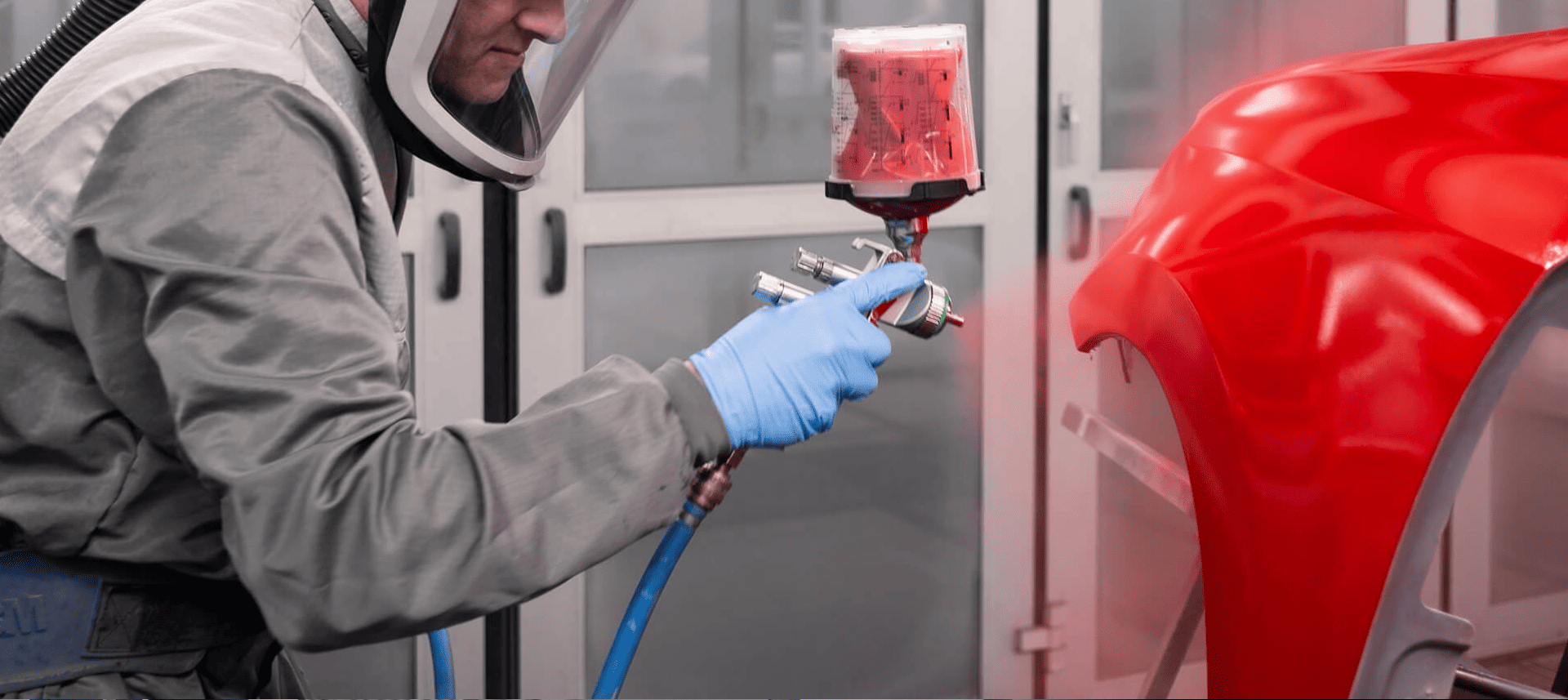
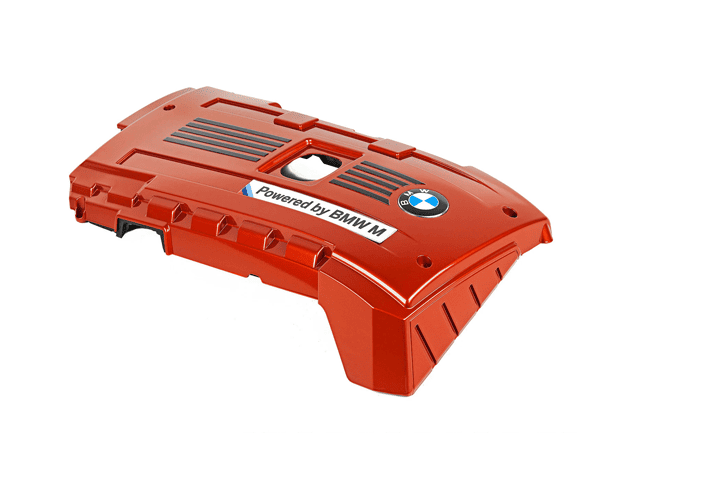
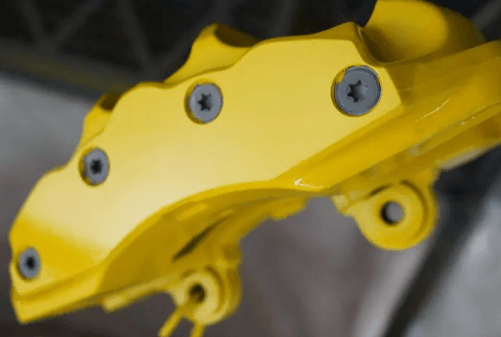
Our painting services for automotive prototyping deliver color-accurate, high-quality finishes for design validation, visual approval, and surface protection.
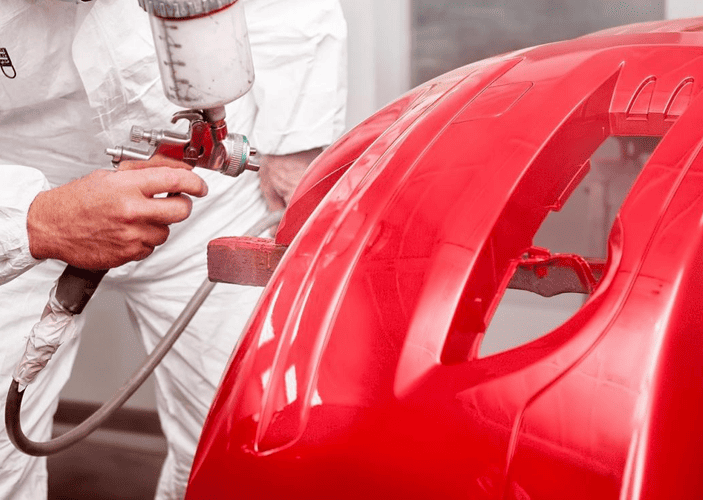
Using controlled spray application and curing processes, we achieve precise color matching, smooth surface finishes, and consistent coating layers for prototype evaluation.
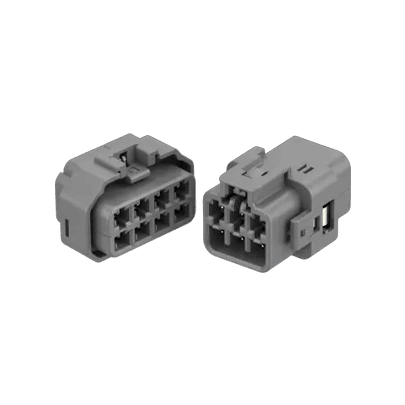
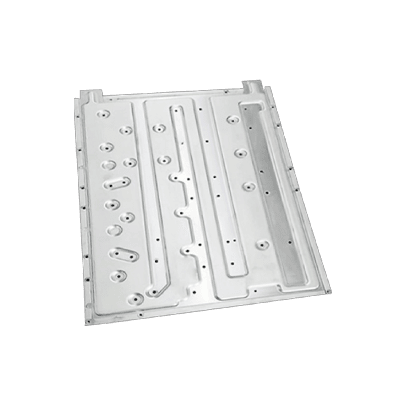
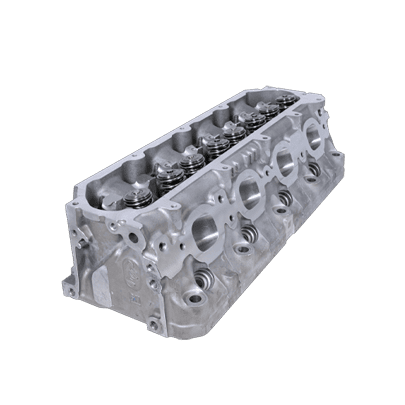
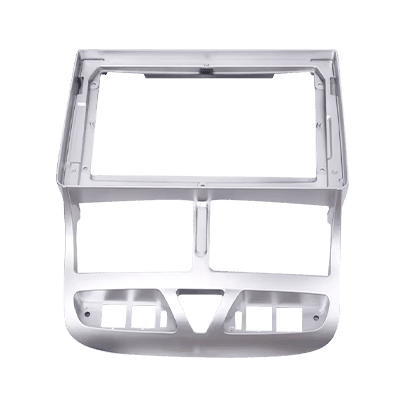
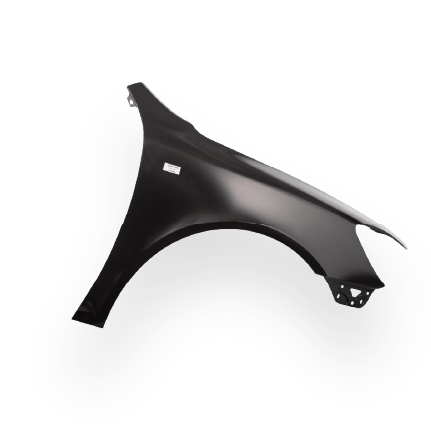
We paint exterior body panels, bumper fascias, mirror caps, interior trim components, instrument panel surfaces, grille elements, and prototype styling parts, while supporting small batch production for concept vehicles, show models, and design validation programs.


Pros
Painting enables high flexibility in color, texture, and finish, making it ideal for automotive prototypes requiring realistic appearance, branding validation, and customer-facing design evaluation across both interior and exterior components.
Cons
However, the process can be sensitive to environmental conditions such as dust and humidity, may require multiple coating stages, and can introduce variability if surface preparation and application control are not consistently maintained.
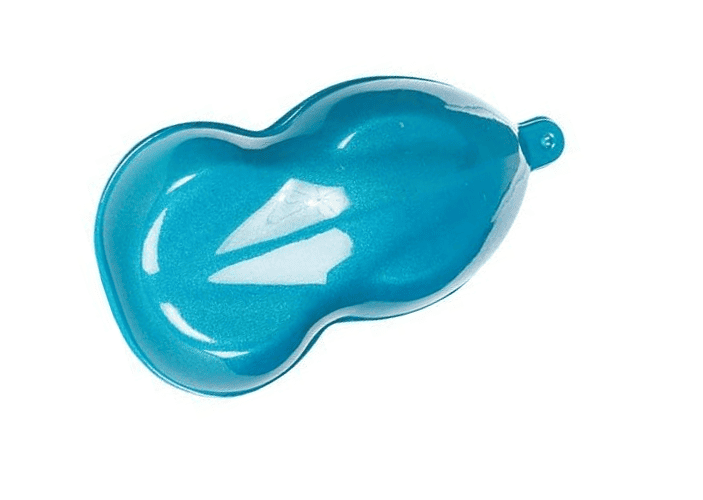
Our painting process for automotive prototypes is controlled through spray application, environmental conditions, and curing parameters to achieve consistent visual and functional results.
We regulate spray pressure, nozzle size, paint viscosity, and application distance to ensure even coating distribution across complex automotive prototype geometries.
Process control includes surface preparation, priming stages, basecoat and clear coat application, drying or curing cycles, and inspection checkpoints to ensure consistent color, gloss level, and surface quality for automotive validation and design approval.
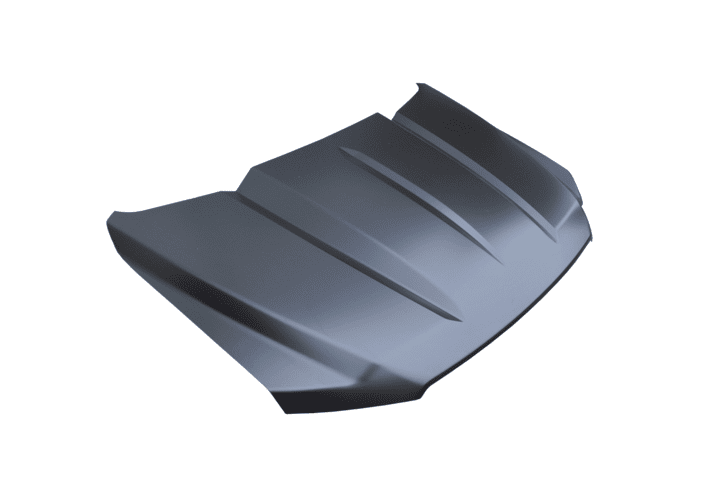
Coating Thickness (40–100 µm)
Defines total paint build across primer, basecoat, and clear coat layers, balancing durability with minimal dimensional impact on automotive prototype components.
Spray Pressure (1.5–2.5 bar)
Controlled pressure ensures uniform atomization, preventing defects such as orange peel, runs, or uneven coverage on complex prototype surfaces.
Curing Conditions (20–80°C Air or Bake)
Managed drying or baking conditions ensure proper coating adhesion and surface hardness while maintaining consistent finish quality across batches.

Fill out the form below and our team will get back to you promptly with a personalized quote tailored to your needs.