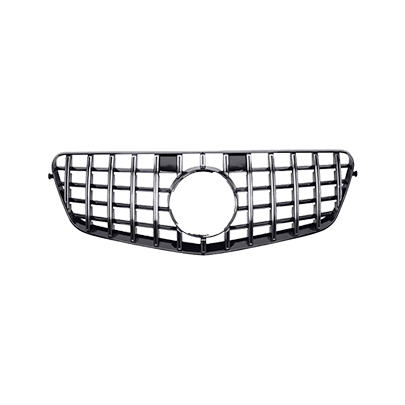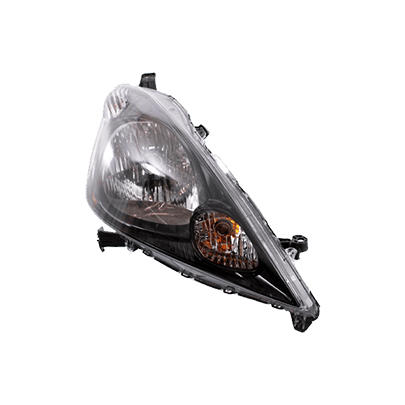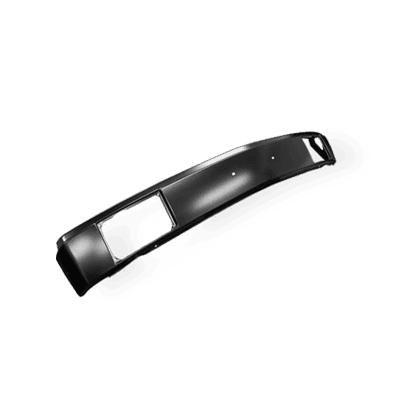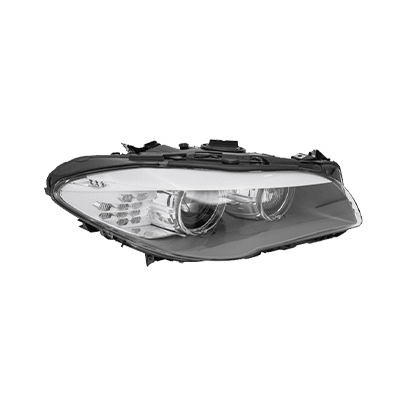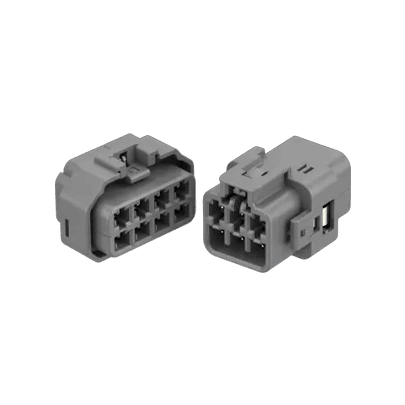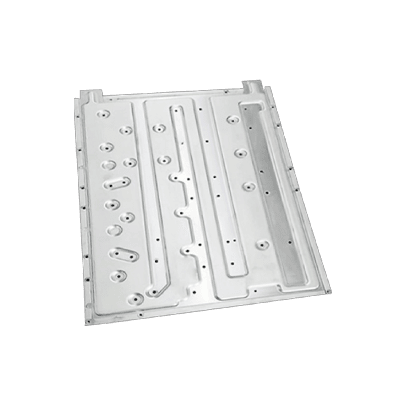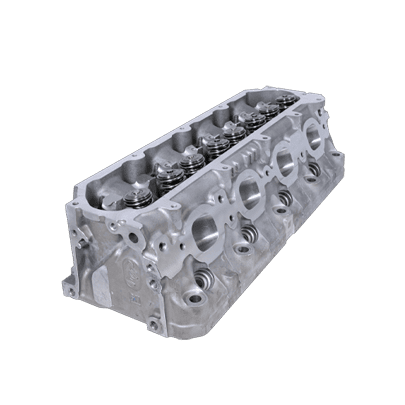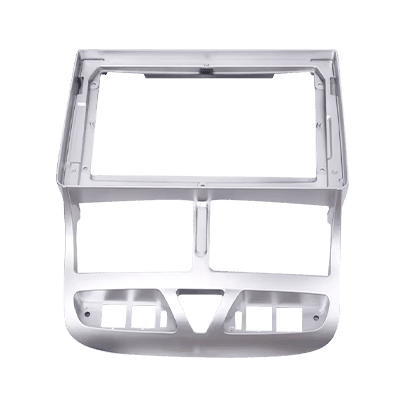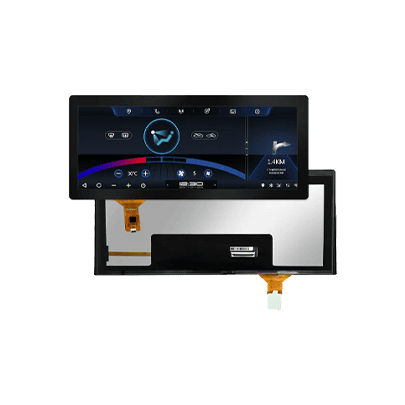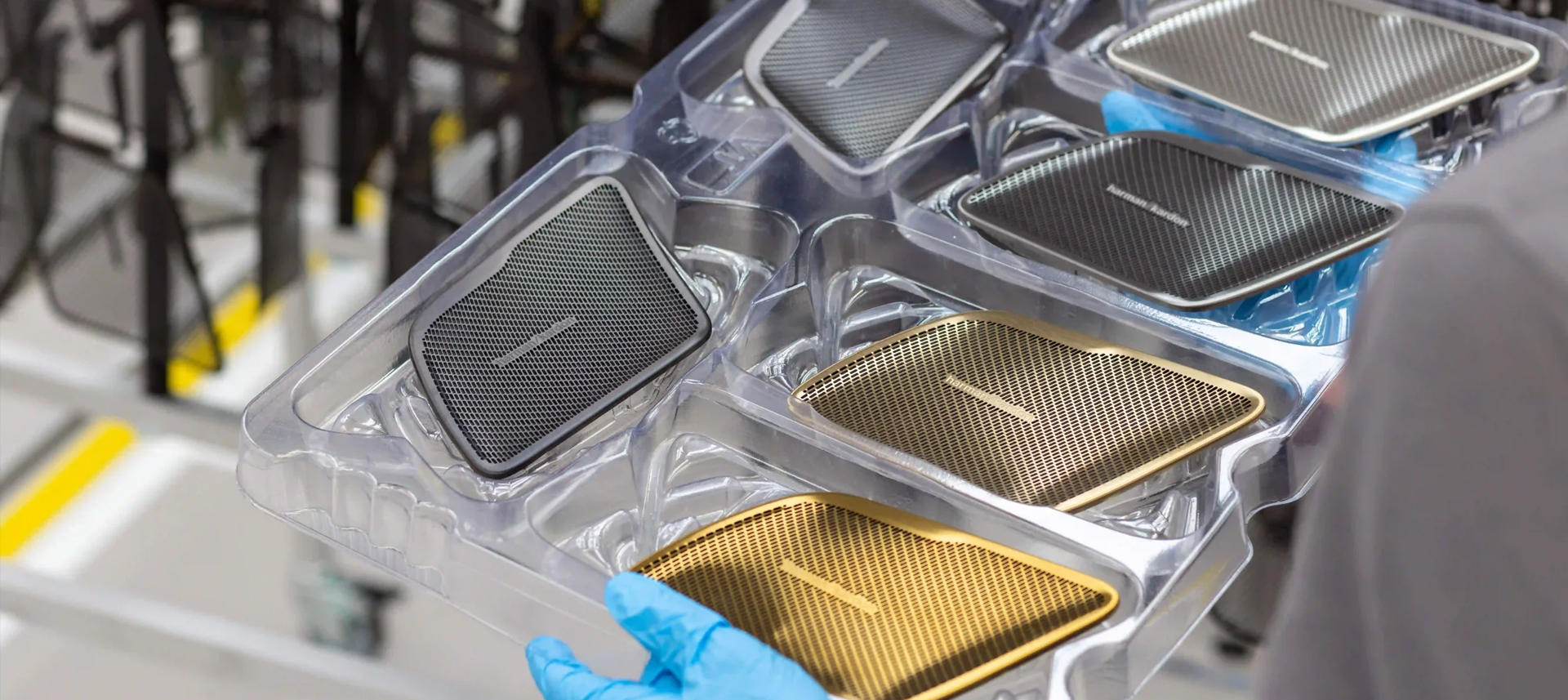
Our PVD coating services for automotive prototyping deliver ultra-thin, high-hardness decorative and functional films with excellent wear and scratch resistance.
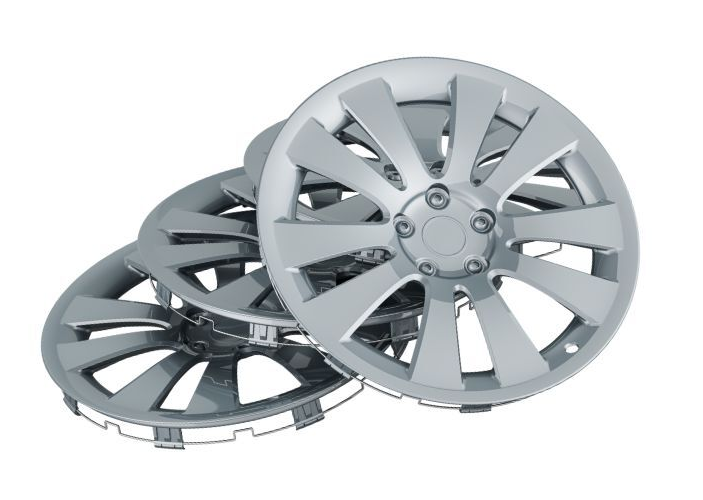
Using vacuum deposition technology, we apply thin-film metallic coatings that enhance surface hardness, color stability, and premium appearance for automotive validation.
We coat interior trim knobs, infotainment bezels, gear selector finishes, door handle inserts, emblem prototypes, switch panels, and decorative control surfaces, while supporting small batch production for premium interior design verification and concept vehicle styling programs.


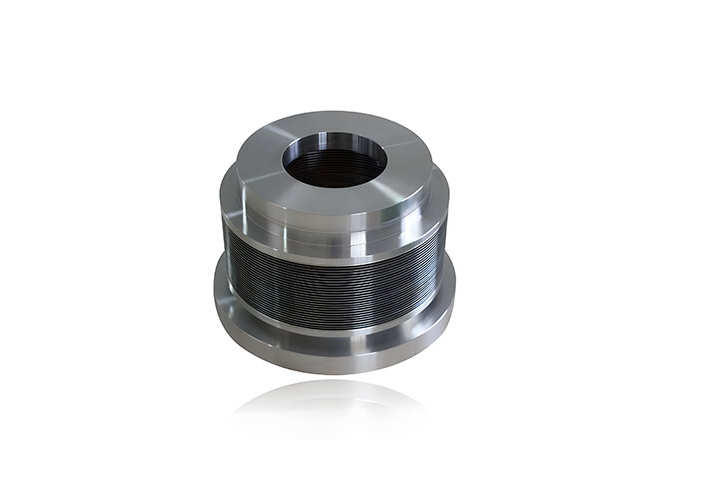
Pros
PVD coating offers exceptional surface hardness, premium metallic appearance, and excellent wear resistance, making it ideal for automotive prototypes requiring high-end interior aesthetics and durable surface performance.
Cons
However, the process requires vacuum chamber processing, which limits part size, may involve higher production costs compared to conventional coatings, and is primarily suitable for conductive or metal-compatible substrates.
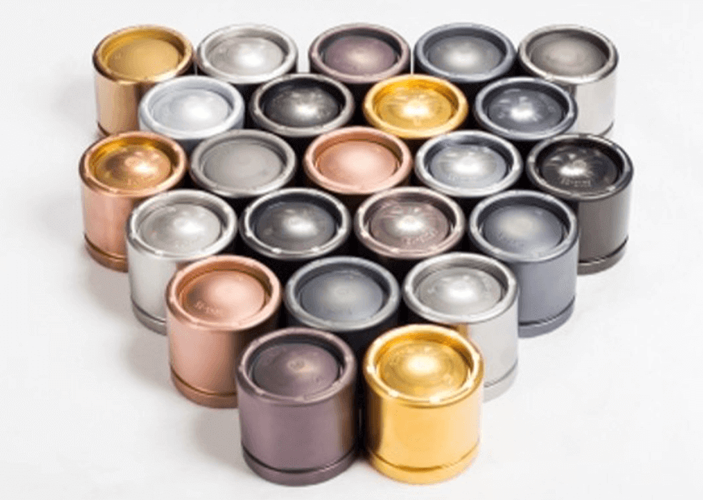
Our PVD coating process for automotive prototypes is controlled through vacuum deposition conditions, target materials, and plasma parameters to ensure precise film formation.
We regulate chamber vacuum level, substrate temperature, deposition rate, and ion energy to achieve consistent thin-film quality across complex automotive prototype geometries.
Process control includes surface cleaning, ion etching pre-treatment, coating deposition cycles, cooling stabilization, and inspection stages to ensure uniform color, adhesion strength, and surface hardness for automotive design validation.
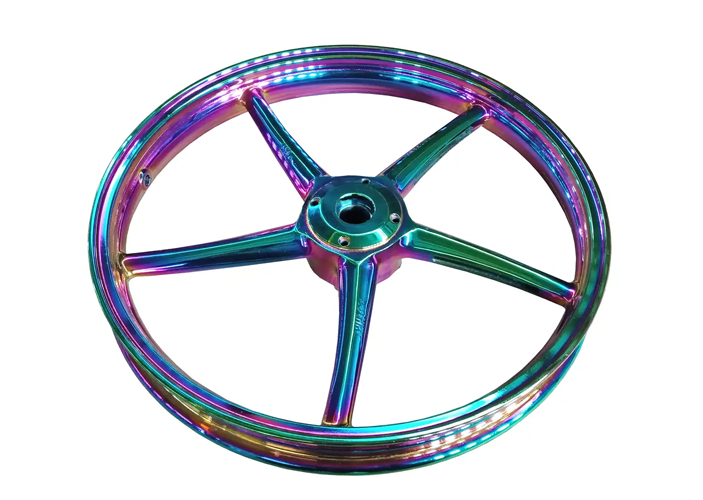
Film Thickness (0.1–3 µm)
Ultra-thin coating layer maintains dimensional accuracy while providing high hardness and decorative metallic appearance for automotive prototype components.
Vacuum Level (10⁻³–10⁻⁵ Pa)
High-vacuum environment ensures pure deposition conditions, minimizing contamination and achieving consistent film quality.
Substrate Temperature (80–450°C)
Controlled heating improves adhesion strength and coating density while maintaining compatibility with automotive prototype materials.

Fill out the form below and our team will get back to you promptly with a personalized quote tailored to your needs.