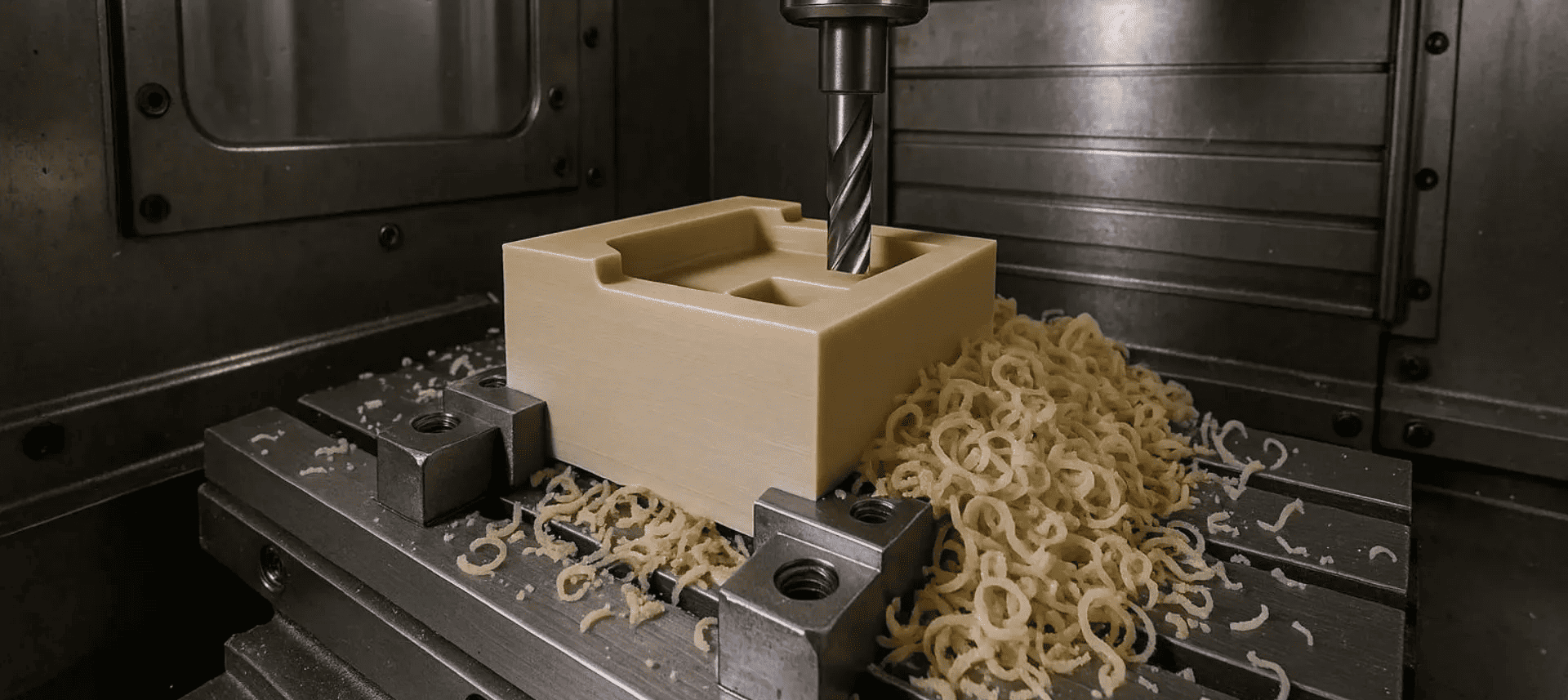
PEEK Prototyping for Automotive Industry

Advanced PEEK prototyping for automotive components, handling 250°C environments, offering exceptional wear resistance, chemical stability, and precision machining for demanding applications.

Contact Us
Overview

PEEK Automotive Prototype Machining

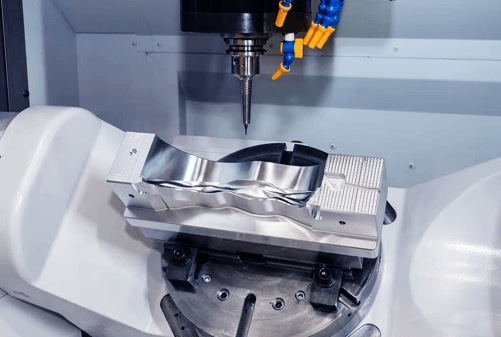
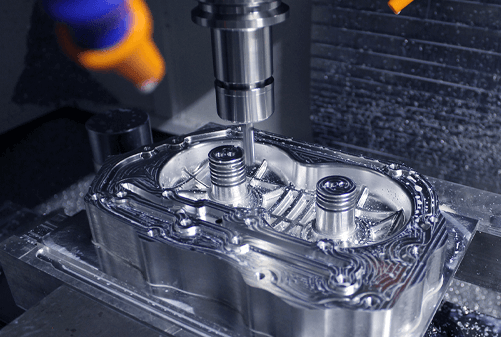
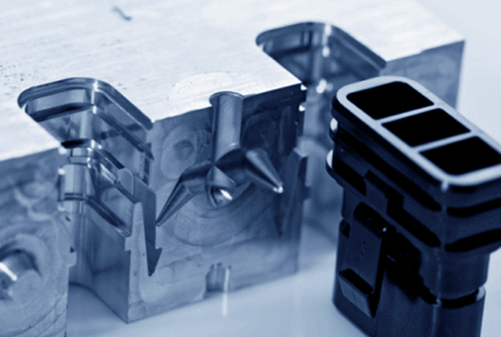
PEEK supports validation of complex automotive assemblies such as turbocharger housings, sensor mounts, and transmission spacers. Its stability under load and heat allows engineers to prototype parts that must survive vibration, pressure cycling, and aggressive drivetrain environments.

Contact Us
  • Dimensional Stability Under Mechanical Load

    Maintains tight tolerances in clamped, vibration-heavy automotive assemblies.

  • Electrical Insulation for EV Systems

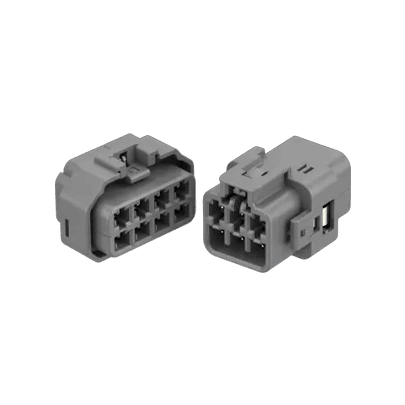
    Ensures safe isolation in high-voltage connectors and sensor housings.

  • Clean Machining for Complex Geometries

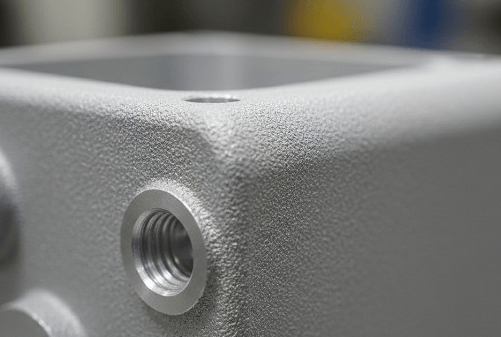
    Produces precise threads, thin walls, and intricate automotive prototype features.

  • Low Contamination Emission Properties

    Suitable for sealed electronic housings and interior automotive components.

Parts Showcase

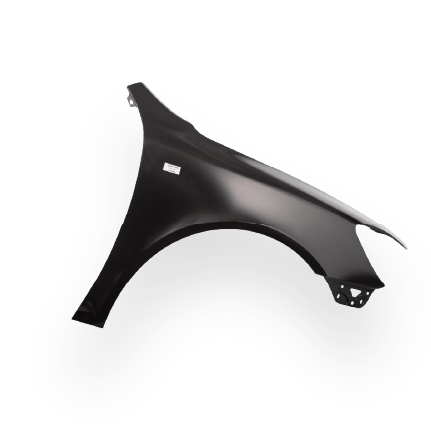
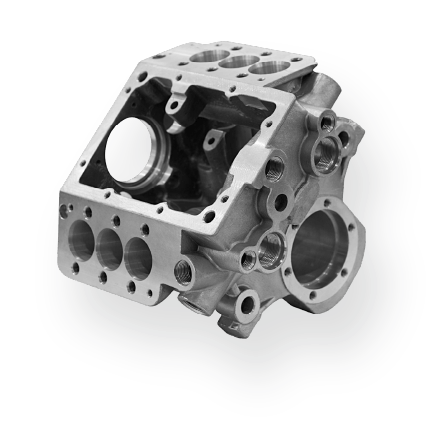
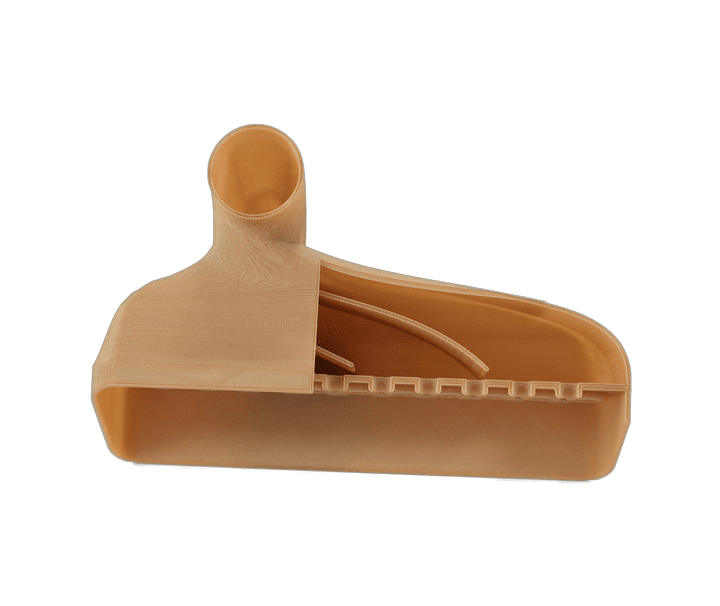
PEEK Automotive Parts

Grade

Types of PEEK for Automotive Industry

Different PEEK grades are engineered for automotive demands such as high heat zones, electrical insulation, wear resistance, and structural lightweight substitution.

Alloy Main Use Strength Machinability Corrosion Res. Remarks
Unfilled PEEK (Virgin) Sensor housings, electrical connectors, insulation components
General structural use
Glass-Filled PEEK Pump housings, valve components, structural brackets
Improved stiffness stability
Carbon-Filled PEEK Gears, bushings, compressor parts, drivetrain components
High load drivetrain parts
Bearing Grade PEEK (PTFE) Bearings, wear pads, sliding seals, thrust washers
Low friction motion parts
Materials

Related Materials

  • 01
    Stainless Steel
    High-precision stainless steel prototyping for automotive R&D. Achieve +/-0.005mm accuracy, expert DFM support, and certified FAI reports with rapid delivery.
  • 02
    PMMA
    High-precision PMMA prototyping for automotive lighting and interiors, delivering optical clarity, ISO-certified quality, fast turnaround, and production-grade accuracy.
  • 03
    PC
    High-precision PC prototyping for automotive components, ISO-certified processes delivering impact-resistant parts with tight tolerances and turnaround for production-ready validation.
  • 04
    Aluminum
    Rapid 7-10 day prototyping for automotive aluminum components with +/-0.005mm precision. Expert CNC solutions for E-motor housings and cooling plates.
FAQs

Frequently Asked Questions

Contact Us
What tolerances can you achieve for bumper prototypes?
We achieve ±0.02 mm to ±0.05 mm tolerances, verified by CMM inspection reports to ensure dimensional accuracy and reliable fitment for assembly and validation.
Do you support automotive-grade materials for functional testing?
We machine ABS, PC, PP, and aluminum alloys, supporting functional testing, structural validation, and material performance evaluation aligned with automotive prototype requirements.
Can you meet surface finish requirements for aerodynamic testing?
We control surface roughness through optimized machining and secondary finishing, achieving consistent Ra values suitable for wind tunnel testing and appearance validation.
How do you handle oversized bumper prototype machining?
We segment large parts and use precision bonding and alignment methods to ensure structural integrity, accurate geometry, and consistent performance across the assembled prototype.
What is your lead time for complex bumper prototypes?
Typical lead time is 7–10 business days, depending on geometry and material, supporting fast iteration cycles and timely automotive development and validation schedules.