 Peter • Published 20 2026 Jul
A continuous flow of coolant refreshes the engine at varying loads. This helps in thermally regulating the engine. The water pump (mechanical or electrical) represents the heart of the process, that is, the regularity with which heat is dissipated across the system. Understanding how it operates and integrates is key to maintaining powertrain performance and avoiding structural failure.
An automotive water pump is a centrifugal device that utilizes a high-speed impeller to circulate coolant through the engine block and radiator and maintain engine operating temperature. Depending on whether it is mechanically driven by a belt or as an electric automotive water pump, the unit generates the hydraulic pressure necessary for a continuous exchange.
Automotive water pump application contains seals to restrict fluid loss, which in turn prevents contamination of bearings and allows a pressurized cooling environment to take place.
The process begins as an impeller that rotates due to centrifugal force, allowing coolant to enter the center of the pump. The fluid is injected into the engine channels, which absorbs heat when pressurized. An automotive inline water pump works at high speed in order to maintain this flow.
Automotive water pump seals ensure the pressurized coolant is kept away from the internal bearings. As it nears the end of the cycle, the hot fluid is sent to the radiator to cool it down with the help of an automotive water pump lubricant added to the liquid to reduce wear.

The pump is a high-speed impeller that converts rotational energy into hydraulic energy. The coolant flows through narrow engine galleries. The constant force is required to overcome the resistance of the thermostat and the resistance of the radiator core at high-performance cycles.
The pump transfers the excessive heat from the combustion chamber to the radiator by controlling the flow rate of coolant. By preventing thermal spikes, the engine continues to operate in the panel’s optimal temperature window for fuel efficiency.
The friction between the rotating shaft and its support bearings is minimized by the automotive water pump lubricant that the internal components have in the coolant. Using the right lubricant can help prevent the mechanical seizing of the device and the premature failure of the pump.
Engineered automotive water pump seals are designed to maintain system pressure and prevent coolant from leaking onto the bearing system. This containment is essential for preventing the loss of liquid and maintaining the structure of the cooling circuit.
In certain engine designs, the pump housing or pulley serves as a switch point or tensioner to ensure the proper path of the timing chain. This dual-purpose design ensures the continued mechanical linkage of cooling and valve synchronization.

The internal motor of the electric automotive water pump enables the pump to function independently of engine speed, thus facilitating thermal management and reducing parasitic drag. This design allows a flow of coolant to continue after shutdown to reduce heat soak for improved efficiency.
These units are powered by the crankshaft of the engine through a belt or a gear. The flow of these units is a linear scale of the RPM of the engine. Although structurally simple and robust, their output is linked to engine speed, not actual cooling demand.
An automotive 12V water pump often works as a secondary pump to the main pump on more complex cooling circuits, or heater cores. These small, auto inline electric water pump designs are often used in hybrid systems or to sustain cabin heat when the engine is off.
The pumps have a shroud or a variable-pitch impeller to regulate the flow of coolant while not changing the speed of the drive belt. The system can limit the flow during cold starts for faster warming up and maximize output during high load conditions.

Pump Housing: The outer body, which is generally cast iron or aluminum, supports the inner components and serves as a mounting for the cooling system.
Impeller: The centrifugal pump is a rotating disc that employs curved vanes to create centrifugal force to push coolant through the engine.
Shaft: The impeller’s pumping action comes from a rotation torque transmitted from the pulley to the steel rod.
Bearing: The assembly, which is mechanical in nature, supports the shaft to operate and also rotate at a high speed against the radial and axial loads.
Seal: Seals in the automotive water pump help to prevent the coolant from leaking out of the casing and keep the bearings from contamination.
Pulley: Located on the outside of the shaft, it transmits power from the drive belt to pump assembly.
Inlet and Outlet Ports: The inlet sends low-temperature coolant from the radiator while the outlet sends pressurized liquid into the engine block.
Weep Hole: This tiny vent in the housing allows a modest amount of excess automotive water pump grease or coolant to leak out, acting as a telltale sign of possible seal failure.

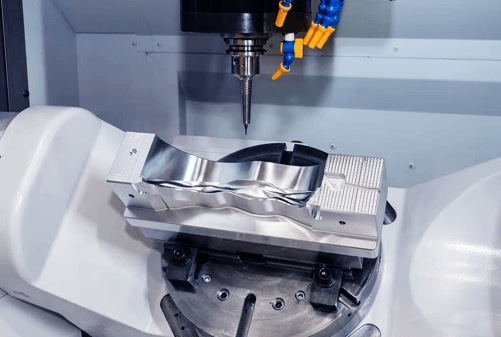
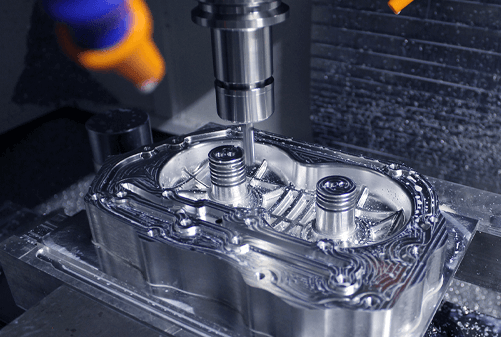
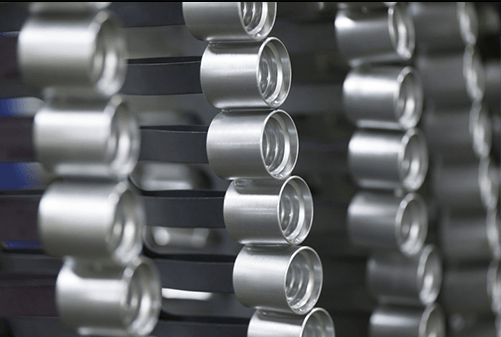
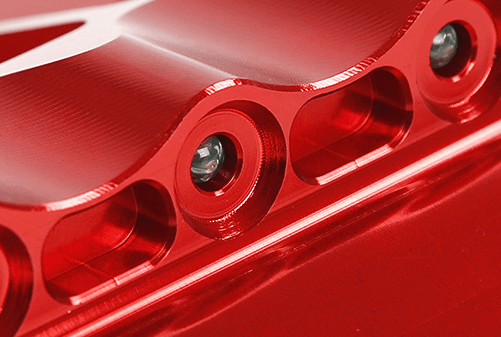
Computer-controlled machines perform precise milling and drilling of mounting surfaces and the internal bearing seats to exact tolerances. The process is necessary to achieve the tight clearances essential for high-efficiency impellers and leak-proof seals of automotive water pumps.
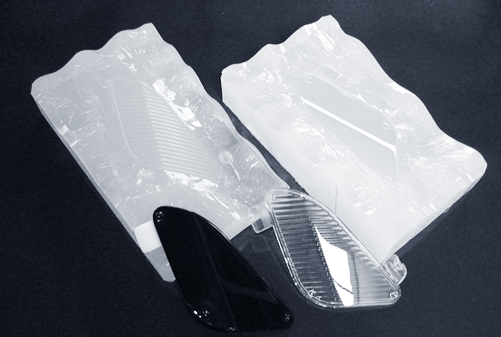
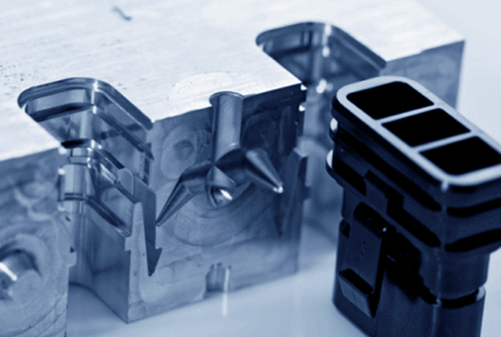
Specialized molds are used to form the complex internal geometry of the pump housing and impeller blades through the pouring of molten aluminum. Casting enables the economical mass production of durable components that can withstand high temperatures and mechanical stress.
The drive pulleys and shafts are made from solid steel using techniques like stamping or forging to maximize structural density and resistance to fatigue. The formed parts ensure sufficient rigidity to withstand the continuous tension and rotational torque imposed by the engine drive.
The water pump seals are the main cause of failure, leading to the leakage of coolant and bearing contamination. A weep hole is a design feature found in a seal. As soon as the seal fails, fluid under pressure escapes from the weep hole. Thus, system pressure can no longer be maintained.
Due to continuous mechanical load and high speed of rotation, the lubricant in the internal automotive water pump is consumed completely, and the bearings overheat and grind. This causes the shaft to become unstable and creates a humming or screeching sound, eventually succeeding in total seizure of the pump assembly.
When contaminated or inaccurate coolant is promoted, internal rust is introduced, which creates vapor bubbles that implode against the impeller. As the cavitation erodes metal, it greatly reduces the pump’s hydraulic power to move fluid.
When tension is excessive or if there’s an imbalance in the drive belt, the resulting foreign radial loading makes the pump shaft suffer so phenomenally that the bearing and seal will be destroyed. This stress within the structure will bend or break the shaft over time, and cooling system failure will occur immediately.
Choosing a high-performance automotive water pump contributes to the engine’s health. It aids in ensuring the thermal efficiency of an engine. Whichever unit you wish to integrate, either a standard mechanical one or a water pump with 12v automotive specifications, the precise manufacturing and sealing of the unit will ensure long life.
With engineering experience, we build durable, high-tolerance cooling components for the most rigorous applications. Get a quote from AutoRapidProto today for precision made of your cooling systems.

Peter leads the engineering team, bridging the gap between design concepts and functional prototypes. He specializes in optimizing DFM (Design for Manufacturability) for complex automotive components such as EV motor housings, battery enclosures, and interior structural parts. Outside work, he enjoys cycling and restoring vintage motorcycles.
 Knowledges
 Knowledges
 Knowledges
 Knowledges
 Knowledges
 Knowledges

Fill out the form below and our team will get back to you promptly with a personalized quote tailored to your needs.