 Kim • Published 13 2026 Jul
Car interior components help improve the appearance of the vehicle as well as the performance and comfort. Many car owners customize these parts to suit their personal style and uniqueness and increase their car’s market value. In this article, we explore what custom car interior manufacturing is, its benefits, and design considerations.
A car interior refers to the internal section of a car or the whole vehicle cabin where components like dashboard, steering wheels, seats, pedals, and lots more are found. These components enhance appearance, support driver controls, and enhance passengers’ comfort.

Steering Wheel: This allows the driver to control vehicle direction and must be designed for accurate grip and wear resistance.
Seat Belt: Protects the passenger during sudden stops or collisions. It does this by restraining movement or shifting.
Door Panels: Act as covers for the inner side of the doors. It contains components like switches, armrests, speakers, and trims.
Rearview Mirrors: These are mirrors located in the cabin to provide visibility of the back view. Modern ones usually contain cameras and auto-dimming electronics.
Car Signal Lever: Controls indicators, headlights, and windshield wipers.
Dashboard: The dashboard houses air vents, vehicle control, infotainment, and gauges. It helps the driver monitor vehicle performance.
Door Lock Actuator: An electronic device present inside the door that controls the locking and unlocking functions.
Emergency Flasher: Put on or activate the warning lights during emergencies. They create alerts to other drivers on the road to ensure safety.
Floor Mats: Prevent the vehicle interior flooring from dirt, moisture, and wear.
Gear Shifts: Allows the driver to control the vehicle transmission system. It can be manual, automatic, rotary, or electronic.
Pedal: Serves as controls for braking and speed. It is operated with the foot.

Typical plastics used for custom car interior manufacturing are ABS, PP, PC, and PE, and they are used for parts like car dashboards, lighting parts, door panels, interior trim, etc. They are valuable because of their lightweight, durability, ease of machining, cost effectiveness, and customization.
Metals are commonly used for parts where strength and durability matter. As such, they are used for components like brakes and accelerator pedals, seat frames, shift knobs, and accent trims. However, the metal, including aluminum and steel, must be lightweight. Magnesium is used to make seat frames and brackets because it is soft and has low weight.
While wood is not usually used, they are vital for luxury custom car interior components. With that, they improve the appearance and are used for custom features in dashboards, trims, and steering inserts. However, adequate finishing must be applied to provide resistance to moisture, UV, and temperature. Walnut, burl oak, maple, and bamboo are some woods used.
When low weight, stiffness, and durability are crucial, this kind of material is used. As such, it is utilized for luxury and sports cars interior components, including door trims and console inserts. However, it is more expensive than most plastics.
Leather offers softness, comfort, good appearance, and durability, while vinyl offers better cost effectiveness. Both are easy to clean and maintain and are suitable for components like seats, steering wheels, and door trims.

As a custom interior car shop, there are specific measures we consider when designing.
When designing and customizing interior components, we take note of the driver’s overall experience, component layout, and vehicle control. As such, accurate part positioning, spacing, and alignment are done. This helps prevent fatigue during long distance journeys and ensures safety.
From the material and finishing, lighting, and color applications to intricate designs, all of this helps improve the visual appeal of the vehicle, which also increases the financial value.
Another factor to consider is practicality. This evaluates if the design actually meets driver needs. As such, it must enhance convenience and ease of maintenance. A leather seat must come with a finish that can be easily wiped.
Functionality helps ensure that every part performs as it should, and as such, materials must be carefully selected so they can withstand car operating conditions. While extra features can be added to interior designs, they must not affect usability, visibility, and storage.

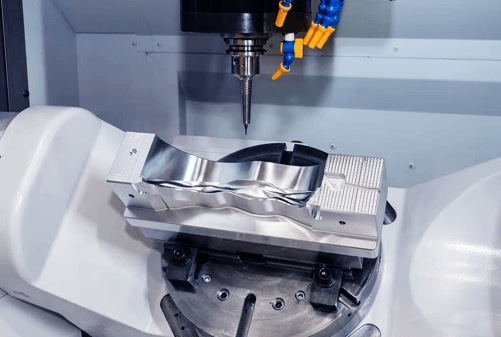
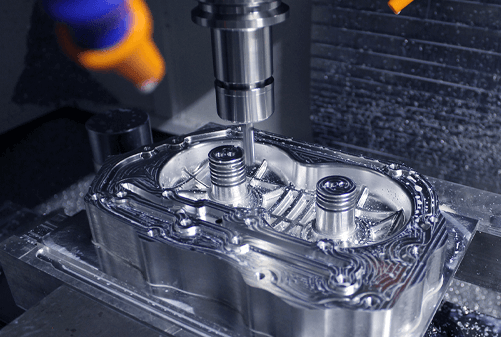
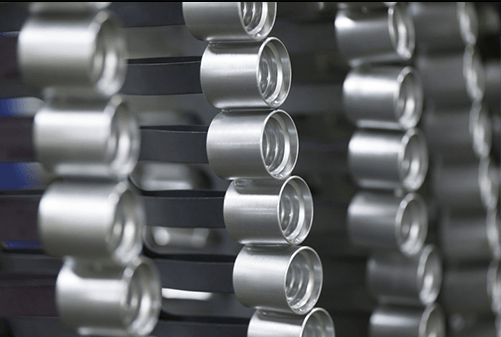
This uses Computer Numerical Control machines and cutting tools to remove materials from a workpiece so as to form the interior component. It works with several metals, plastics, and composites and can make parts with tolerances up to 0.005 mm.
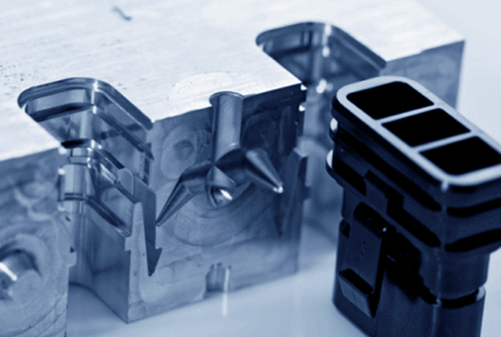
Injection molding works by subjecting molten plastic material to a mold and allowing it to cool and solidify to create the part. A car maker factory uses this method because it is suitable for large volume production and ensures consistency.
It is an additive method that creates parts by building layer by layer with the aid of a CAD file. It can be used in rapid prototyping of interior parts before the final custom production.
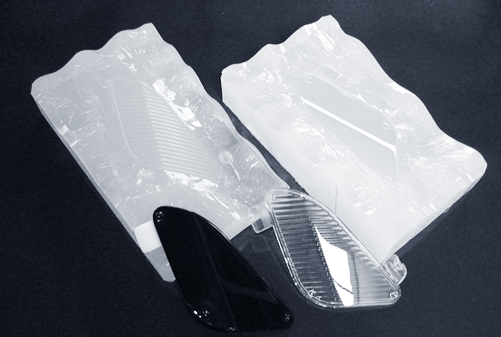
This works by pouring liquid materials into a silicone mold under vacuum conditions. It works with different materials, is cost-effective, and gives a smooth surface finish.

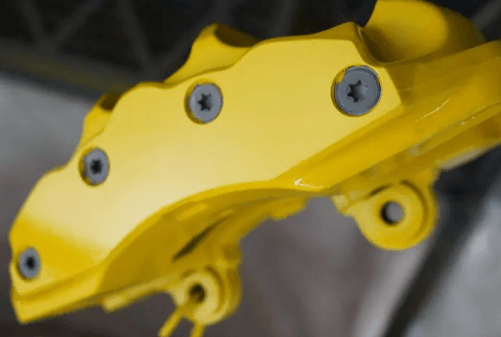
This is done by coating the components with a liquid paint or lacquer. This protects surfaces against wear and corrosion and enhances appearance.
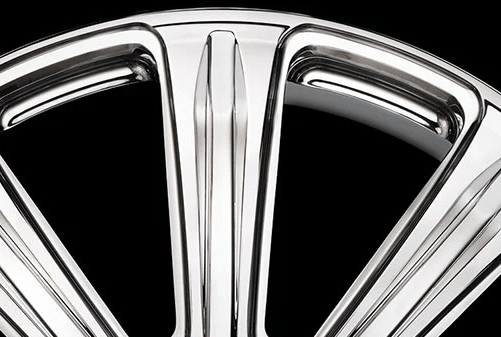
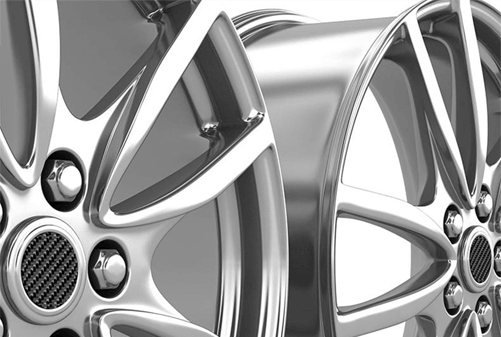
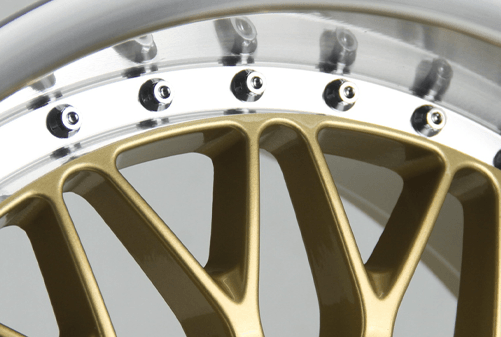
In polishing, abrasive material is applied to a component surface to smooth it, enhance aesthetics, and remove rough patches so a mirror-like, glossy part is achieved.
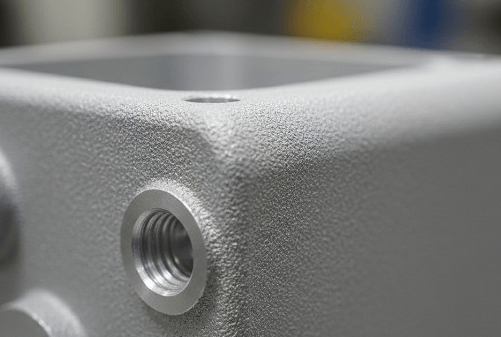
Here, dry powder is applied to the component to serve as a protective and decorative coat. With that, it improves durability and appearance. It also allows customization with different colors.
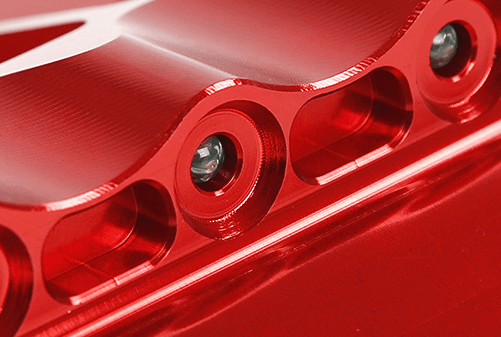
Anodizing process creates a protective oxide layer on metal surfaces. As such, it improves durability and corrosion resistance, as well as appearance with its colored finish.
With extra interior features comes added value. Customized cars give a unique visual appeal that attracts many potential buyers and increases market value. As such, a car owner can sell them at their best price.
It also allows car owners to select the type of material, colors, finishing, and extra features that can be added. This gives a sense of personalization, as car owners can get designs that suit their style.
Well laid out and designed interior parts enhance luxury and comfort. From a soft seat that provides convenience to ergonomic controls that make driving easy and enjoyable.
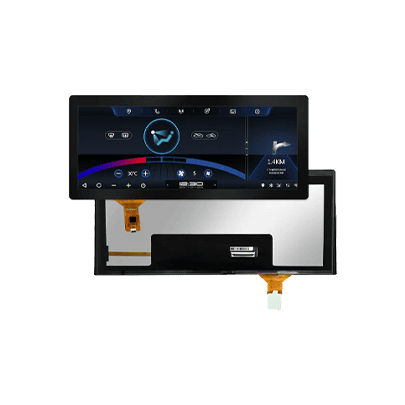
Many modern interiors now have features like digital dashboards, wireless connections, specialized displays, advanced sensors, and lots more. All of these enhance the driver’s experience while ensuring vehicles remain updated.
Customization allows car manufacturers to design and strategize the best materials, techniques, and finishing so as to meet specific customers’ needs. By doing so, they create parts that can withstand wear and UV, those that can be easily cleaned and maintained with a longer lifespan.
Customizing car interior components enhances aesthetics and luxury feel, increases car value, and allows car owners to select specific materials, colors, designs, and features that suit their personal style.
AutoRapidProto offers precise and high quality prototypes for your automotive part. From custom interior design to engine and gear units, we provide prototyping solutions based on your specific needs. Our advanced capabilities range from CNC machining, 3D printing, injection molding, vacuum casting, and lots more, and we ensure complete documentation and inspection throughout production. Contact Us Today.

Kim oversees engineering operations, including complex process planning, DFM reviews, and solving challenges associated with high-precision automotive components. He specializes in strict tolerance control and machining complex geometries essential for powertrain modules, suspension systems, and ADAS sensor housings. Outside of work, he enjoys the precision and strategy of playing snooker.
 Knowledges
 Knowledges
 Knowledges
 Knowledges
 Knowledges
 Knowledges

Fill out the form below and our team will get back to you promptly with a personalized quote tailored to your needs.