 Kim • Published 30 2026 Apr
The Car Dashboard Guide provides everything necessary to understand dashboard symbols, components, and manufacturing. This guide also teaches you the functions and types of a car dashboard.
The driver uses the dashboard to understand how to control the vehicle. It shows essential information about vehicle speed, fuel consumption, engine performance, and safety alerts. The system delivers driver control of their vehicles. It also enhances driving through its ability to monitor vehicle performance and provide instant decision support tools.
Car dashboard symbols provide visual alerts about the vehicle’s condition, ranging from normal system operation to potential faults. The symbols use a color-coded system.
These are green or blue for active functions, yellow for warnings, and red for critical issues that need urgent resolution. The indicators help drivers recognize vehicle problems. They can perform proper maintenance to avoid damaging their vehicle and keep themselves safe on the road.
These are the few common car dashboard warning lights and indicators during driving:
The symbol shows that the engine oil pressure has dropped below safe levels, which can result in serious engine harm. The vehicle requires immediate engine inspection and oil maintenance.

Indicates that at least one tire has either low air pressure or excessive air pressure. The condition of the tires directly impacts driving safety, fuel efficiency, and vehicle stability.
Activates when the engine temperature exceeds safe levels. The system faces both low coolant level problems and cooling system problems, which require immediate resolution.
The engine check light alerts drivers to problems affecting their engine as well as their emission control system. The problem ranges from minor sensor faults to major engine problems.

This warning symbol indicates a failure in the charging system. The electrical supply is affected by a defective alternator or a battery that has lost its charge.
The warning light activates when fuel levels drop below the required amount. It notifies drivers to refuel soon to prevent engine shutdown.
A reminder that alerts both drivers and passengers to secure their seat belts as a safety measure before they start driving.

The airbag indicator warning displays a potential failure in the airbag system. It could lead to unsafe conditions during a car accident.
Brake system warning light reveals brake system failures and brake fluid deficiencies. It requires immediate inspection to guarantee safe vehicle operation.
This symbol activates when any vehicle door, trunk, or bonnet remains open. It protects vehicle operation by blocking the vehicle from driving.

Car dashboards come in different formats based on technology and design. The different types of dashboards provide various levels of display quality, driver control, and driving experience.
Analog dashboards use traditional needle-based gauges to show speed, fuel, and engine status. The products provide drivers with simple functionality that enables them to read driving information during their journey.
Digital dashboards display all information on a screen. The modern vehicle system offers advanced functions that improve visual display and let users create customized display arrangements.
Head-up displays project key driving information onto the windshield. The system allows drivers to see their speed and receive alerts while they maintain their focus on the road.
A car dashboard contains multiple elements that work together to deliver informational, operational, and protective functions. The operation of the vehicle depends on each component, which functions as an essential element.
| Component | Function |
| Instrument Cluster | The system displays three types of information, which are speed measurements, fuel tank status, and engine performance data. |
| Control Panel | The system operates all vehicle functions by controlling the headlights, windshield wipers, and all vehicle operational parameters. |
| Infotainment System | The system enables users to navigate through their music collection while maintaining their connection to other devices. |
| Warning Lights | The system provides the driver with information about existing problems that affect the performance of the vehicle. |
| Air Vents | The system manages both air distribution throughout the space and temperature control inside the cabin. |
| Steering Controls | The system provides users with instant access to all essential operational features. |

Its manufacturing follows a structured, precision-driven workflow to ensure dimensional accuracy, durability, and functional reliability under automotive conditions.
The process starts with CAD modeling and ergonomic evaluation. The engineers create the dashboard layout. It establishes visibility and control positions through the application of car dashboard design regulations and safety standards.
Choosing materials depends on their ability to withstand heat, their capacity to ensure impact resistance, and their surface quality. The three materials preferred are ABS, polypropylene, and polycarbonate because they provide strong materials that can be easily shaped into parts.
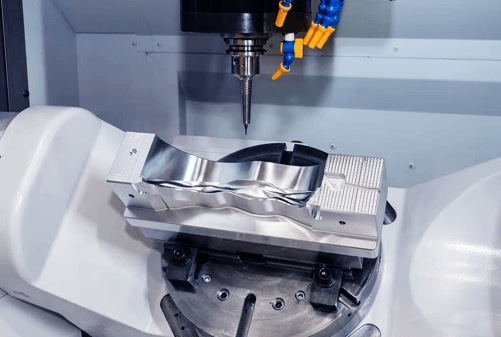
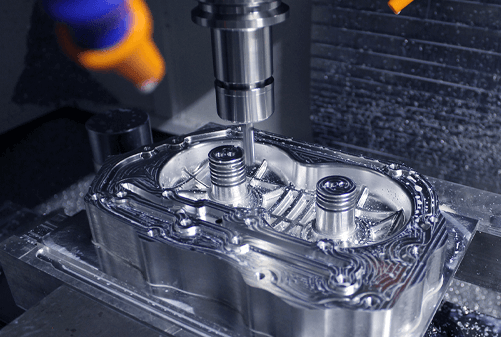
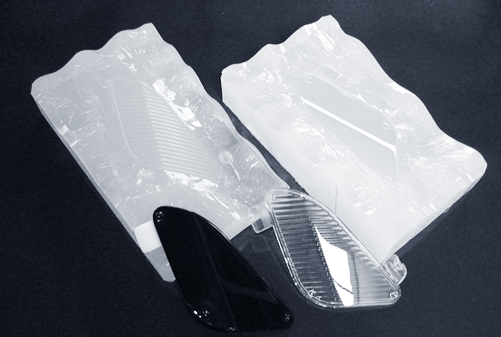
The team creates prototypes through CNC machining and rapid tooling methods. It enables them to assess design suitability, assembly efficiency, and functional capabilities before they start production.
The testing process evaluates dashboard performance through thermal cycling tests, vibration tests, ultraviolet light exposure tests, and various durability tests, which replicate actual operating conditions.
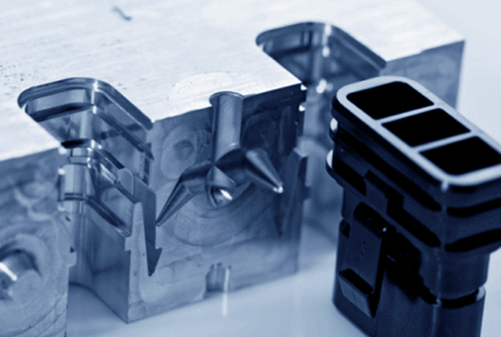
Manufacturers use injection molding to create high-volume products. This method produces precise, complex dashboard parts that maintain consistent surface textures and production efficiency.
The process integrates all components. These are the instrument cluster, wiring harness, vents, and control units into a complete system through exact alignment and secure component attachments.
Each unit goes through three inspection processes. These are dimensional inspection, surface quality evaluation, and electronic validation to check automotive standards.

Car dashboards through advanced technological systems bring better driving safety features, enhanced user convenience, and real-time information display capabilities. These are a few trends for car dashboard technology.
The connected dashboards link to the internet and smart systems to deliver real-time navigation updates and diagnostic traffic information. The system provides users with smartphone control through its integration capabilities, which enhance their ability to access the system.
The system uses augmented reality displays to show essential driving data on the vehicle’s windshield. The system enables drivers to monitor their speed, navigation, and alerts through direct road view access. It boosts the driver’s safety and driving experience.
Dashboard components need good structural accuracy and efficient quality. AutoRapidProto provides OEMs and Tier suppliers with quality CNC machining, rapid tooling, and prototyping solutions. From design finding to small-batch creation, we provide quality automotive parts with strict quality control and fast turnaround. Upload your CAD files to get started.
A car dashboard is an important system that provides safety elements and driving control mechanisms. The information also displays for contemporary automobiles. The development of technology enables dashboards to become more intelligent and effective. It leads to improved driving performance and enhanced safety measures.
The engine check light, oil pressure warning light, battery alert, brake warning light, and temperature indicators represent the warning lights. These signals help detect system failures early and prevent serious mechanical damage.
The dashboard system consists of five elements. These are the instrument cluster, control panel, infotainment system, warning indicators, and air vents. The system elements work together to create a continuous stream of vehicle information.
Dashboard design determines how well drivers can see their surroundings and how effectively drivers can operate vehicle systems. The combination of layout design, material selection, and manufacturing accuracy establishes performance reliability.

Kim oversees engineering operations, including complex process planning, DFM reviews, and solving challenges associated with high-precision automotive components. He specializes in strict tolerance control and machining complex geometries essential for powertrain modules, suspension systems, and ADAS sensor housings. Outside of work, he enjoys the precision and strategy of playing snooker.
 Knowledges
 Knowledges
 Knowledges
 Knowledges
 Knowledges
 Knowledges

Fill out the form below and our team will get back to you promptly with a personalized quote tailored to your needs.