 Peter • Published 30 2026 Apr
Understanding car bumper basics is crucial to understanding how cars handle impacts, preserve their integrity, and express their identities. In this article, we will explain how do car bumpers work, materials, types, and production methods to provide you with a comprehensive overview of bumper engineering.
A car bumper is a safety component installed in the front and rear of a vehicle. This safety feature absorbs shock and mitigates the impact of a collision on the vehicle’s body and other key components. Although most people regard automobile bumpers as cosmetic features, we see them as important safety measures that help vehicles survive longer and cost less to repair.
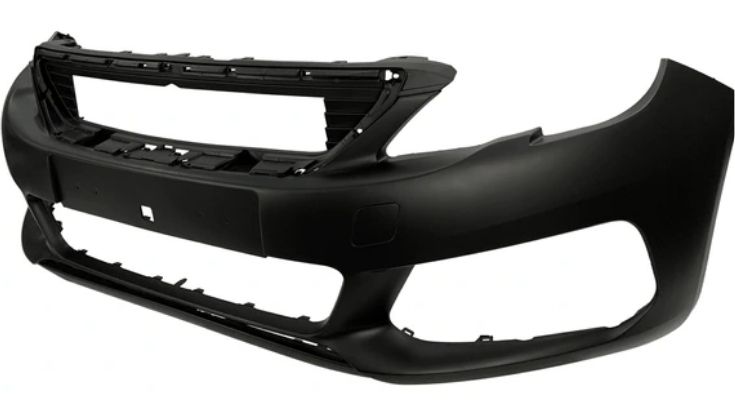
Let’s talk about some of the most crucial roles of a car bumper in a vehicle.
Bumpers were specifically developed to reduce the severity of low-speed crashes. These are intended to be the first line of defense in the event of a collision and will play an important role in minimizing damage to both the car’s structure and its critical systems, such as the engine and drive train.
Modern bumpers will also help to improve a car’s aerodynamics. The bumper can be built to optimize total airflow around the vehicle, allowing for more stable movement at high speeds.
Today’s bumpers include safety measures. These include sensors for parking assistance and collision detection, as well as cameras. Some bumpers additionally have fog lights and parking sensors to improve vision in foggy or wet weather. Car bumpers also help protect the vehicle’s key components, such as the chassis and braking system.
Beyond functionality, automobile bumpers can enhance your car’s aesthetics in a variety of ways. We ensure that our bumpers complement the vehicle’s overall appearance and style. If you modify your automobile’s performance, our bumpers will complement the alteration by adding a sense of ferocity to the design.

Let’s take a closer look at the main components and what they do.
Main Bumper Structure: The core frame is now made of lightweight, flexible materials designed to absorb the initial impact and protect the vehicle.
Car Bumper Covers: The outermost plastic layer that protects the finishing elements and internal components of the vehicle.
Bumper Mounting System: A set of brackets that secures and aligns the bumper with the chassis.
The Energy-absorbing Section: Foam or crushable elements that get compressed, minimizing the force that gets transferred to the vehicle.
The Reinforcement Bar/Beam: A sturdy metal beam that provides structural support and enhances the overall impact resistance.

Let’s break down some of the most popular materials used for car bumpers:
We use polycarbonate in bumper covers, usually blended with ABS (PC+ABS)/ The high impact strength (70-80 kJ/m² izod) provides low-speed impact resistance and prevents cracking in plastic components. Polycarbonate, when used alone as a material, is strong and durable; however, it is difficult to process. When used with ABS, this enhances moldability and surface polish.
In addition to improved impact resistance and blend, PC + ABS materials often perform consistently over a wide temperature range. Thus, we examine rib design and wall thickness across all designs to reduce the potential for warpage and provide smooth-appearing, paintable surfaces, particularly on a vehicle’s externally visible panels.
We prefer ABS plastic for bumper covers mainly due to its smooth surface, ease of painting, and good mechanical properties. Moreover, its economic viability makes it ideal for mass production.
Its good processability in injection molding helps us form various shapes in an efficient manner. However, we sometimes resort to adding coatings or other types of stabilization due to its poor resistance to heat and UV radiation.
We use aluminum primarily as reinforcement beams behind the bumper cover due to its light weight; they are 50-60% lighter than steel but have good energy-absorption capacity in collisions. This is how we manage to maintain a balance between vehicle safety and efficiency.
We also choose aluminum because it provides corrosion resistance, which becomes extremely important in challenging conditions. These pieces can be made using extrusion and machining.
We typically use carbon fiber for high-performance or premium parts, especially bumper beams and outer panels. It offers 30-50% lower weight than aluminum, as well as high stiffness. The downside is that the cost of manufacturing with carbon fiber is significantly higher than with aluminum.
The typical process for manufacturing such materials involves carefully controlled methods such as resin transfer molding or autoclaving. Although this material offers outstanding performance capabilities, its difficulty in repair also needs to be taken into consideration.
We use nylon (also known as polyamide or PA) for brackets, clips, and mounting parts because it has strong mechanical properties and holds up well against heat and wear. It’s especially reliable in components that need to withstand vibration, loads, and temperature fluctuations.
Often, we reinforce nylon with glass fibers to boost its stiffness and strength. At the same time, we take moisture absorption into account during the design process, since it can subtly impact the dimensions and long-term durability.

Here are some examples of car bumpers that we typically deal with:
This is the most common bumper that we see in cars. This sort of bumper is constructed of plastic and provides only the smallest amount of protection. Its advantages include low cost, ease of replacement and installation, and simplicity of design.
Cowboy bumpers have a more complex design than other types and are significantly higher and lower than standard bumpers. They are usually installed in utility vehicles, especially for carrying cargo, for additional protection.
Step bumpers have a built-in stepping surface in the middle. We commonly find them on pickup trucks and SUVs, where users need easier access to the cargo bed. They combine light protection with practical usability.
Tube bumpers have a simple design, consisting of a tube that wraps around the front and rear of trucks or off-road vehicles. This type of bumper is popular due to its simplicity and durability.
Roll pan bumpers are designed for a smooth, clean look by removing the traditional bumper shape. We see them mostly in custom builds. However, they usually do not support accessories or heavy-duty functions.

We validate styling concepts during pre-production, identifying minor design tweaks that could affect panel fitment and aesthetics before mass production begins.
We add structural reinforcement to areas that experience major impacts, using simulations to optimize design without compromising vehicle weight.
We incorporate sensors and aerodynamic features into our design, optimizing their performance through prototyping.
We improve the bumper’s finish and fit, making the vehicle look more refined and production-ready. Minor improvements in finish can greatly increase its overall worth.

When it comes to developing bumpers, we pick different manufacturing methods depending on where we are in the project, whether it’s early concept validation, functional testing, or full-scale production. Each approach comes with its own set of pros and cons.
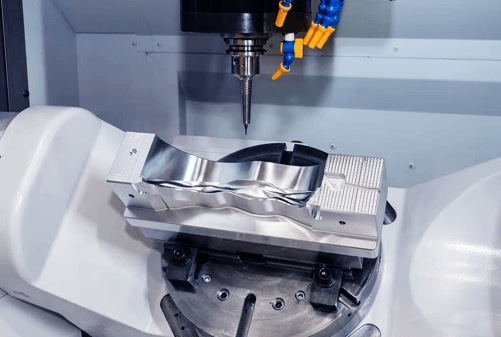
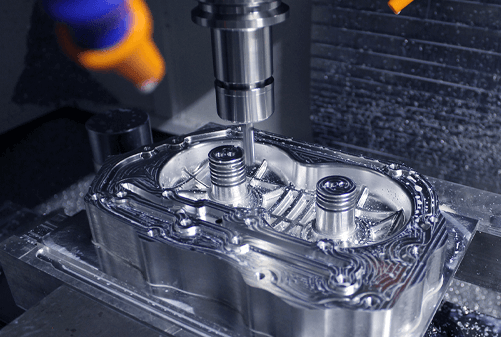
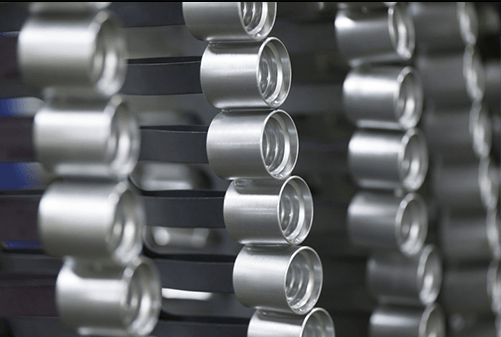
When precision and structural accuracy are critical, we turn to CNC machining. Tight tolerances of ±0.01 to 0.05 mm are frequent when creating tools, fixtures, and reinforcement parts. The key advantage here is that you obtain both outstanding precision and robust material performance.
However, it is not suitable for intricate exterior shapes and may be more time-consuming and expensive for huge or highly organic patterns.
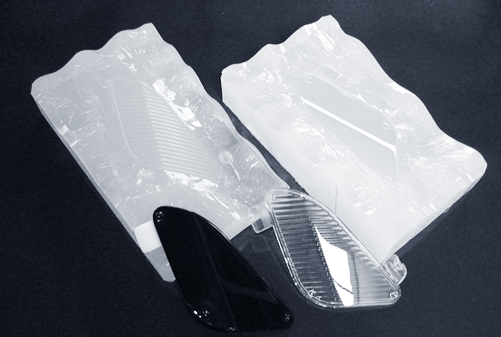
We rely on 3D printing a lot during the early stages of product development, especially when time is tight. Depending on the size and complexity, manufacturing a product this way can take anywhere from 24 to 72 hours. It’s really handy for testing out designs and checking how pieces fit together.
The disadvantage is that it doesn’t offer the same mechanical strength or surface finish as other manufacturing methods. Because of this, we mostly used this process for visual or aesthetic purposes.
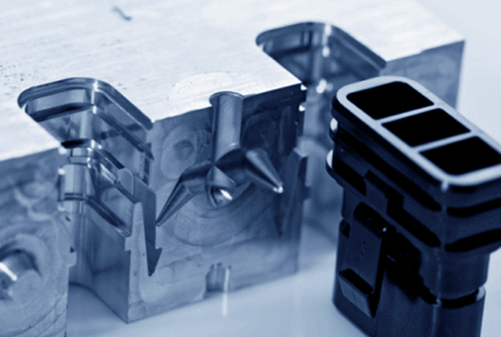
Injection molding is the technology we use to manufacture bumper covers in production. The procedure is highly repeatable on a large scale, making it perfect for final design testing and manufacturing.
The downside is the high initial cost of mold manufacture and extended lead times, which make it unsuitable for early design adjustments.
| Characteristics | Plastic Bumpers | Metal Bumpers |
| Weight | Up to 40% lighter | Heavier structure |
| Impact Absorption | Good absorption of impact energy | Rigidity is high |
| Cost | Low manufacturing costs | More costly |
| Rust Resistance | Excellent rust resistance | Needs anti-corrosion treatment |
| Design Flexibility | Very flexible in design | Less flexible due to the metal property |
Car bumpers are innovative components that combine safety, aerodynamic performance, technological integration, and styling into a single element. Car bumper basics give engineers insights throughout the original development process.
At AutoRapidProto, we help vehicle manufacturers and their partners create precise prototypes by providing complete manufacturing capabilities and rapid delivery, typically within 3-7 days. We can help you move from bumper concept to bumper validation. Contact us for a price quote.

Peter leads the engineering team, bridging the gap between design concepts and functional prototypes. He specializes in optimizing DFM (Design for Manufacturability) for complex automotive components such as EV motor housings, battery enclosures, and interior structural parts. Outside work, he enjoys cycling and restoring vintage motorcycles.
 Knowledges
 Knowledges
 Knowledges
 Knowledges
 Knowledges
 Knowledges

Fill out the form below and our team will get back to you promptly with a personalized quote tailored to your needs.