 Kim • Published 27 2026 Apr
A car wheel and tire consist of several components that aid in smooth mobility and navigation. From the hub, spoke, rim, tread, etc., these parts work together to ensure stability and safety, easy control, and consistent performance. Each also offers its specific functions.
This guide explains how these interconnected components perform, how they are manufactured, the materials used, factors to consider when selecting, and so on.
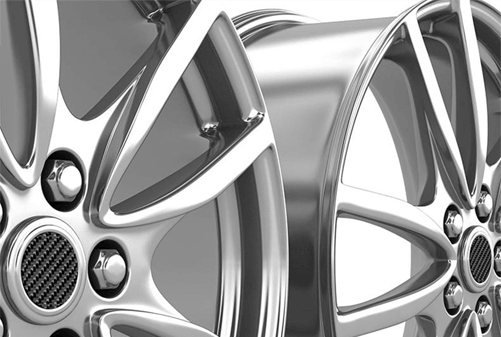
The car wheel consists of several connected parts that help the car move and navigate effectively, and more so, enhance the wheel’s stability, control, and durability. These contain mainly the hub, spokes, rim, etc., each with its varying importance.
A car wheel also contains the tire, which most people refer to as the rim. However, they are two different components. While the rim secures the tire in position, the tire is the rubber layers that cover the rim, making contact with the road and absorbing shock.

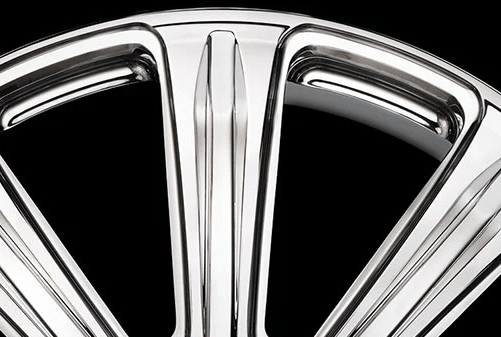
Spoke serves as a connection between the rim and the hub. Its function is to provide structural support to the wheel while ensuring impact forces are evenly distributed.
Beyond that, it is available in different types, designs, and materials, which most of the time dictate its strength. It can also be customized to improve aesthetics.
Tire is the outer layer that maintains contact with the road to aid smooth movement. It helps withstand shock and impact from the road surface and is made up of several layers that enhance grip, performance, and stability.
The rim forms the exterior part of the wheel where the tire is mounted. It secures the tire tightly in place and dictates the suitable tire sizes. They are usually created with steel and are quite light in weight.

The barrel is a part of the rim that also aids tire mounting. It also contains the drop center, keeps the tire in shape and is important in retaining air for effective inflation.
This exists in the wheel center and prevents the rims and tires from dirt, sun, moisture, etc. It has varying types and designs, and also enhances wheel aesthetics.
The hub forms the core section that connects the wheel to the car axle. It also enables the wheel to rotate smoothly, allowing for a smooth drive. It contains assembled parts like the brake pads and rotors, and enhances efficient braking.

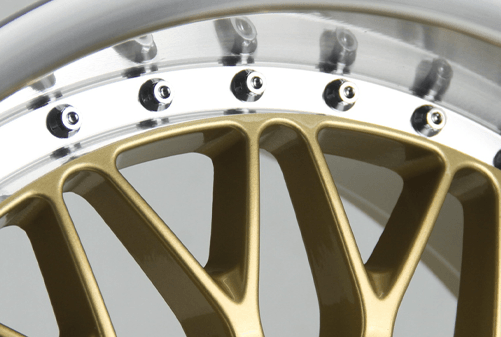
Outer lip provides extra depth to the wheels and protects against impact. It also supports the tire bead and can be polished or painted to enhance appearance.
These are holes within the wheel that allow the lug nut to pass through them so as to attach the wheel to the hub.
Valve systems ensure that air remains intact within the tire. It helps keep the tire pressure, supports inflation and deflation, and usually consists of the valve stem and the core.
The bead holds the tire edges to the rim. They also help in preventing air loss and ensure energy transfer, thereby enabling smooth movement.

These are the rim edges that protect the tire and keep it secured in place. They prevent the tire from sliding away or being detached from the wheel and tire.
Mounting humps are present inside the rim, and they secure the tire bead in position, thereby preventing it from vibrating and falling off.
This is a lowered section in the middle of the rim that makes it easy to fit and remove the tire from the wheel.

This is the outermost part of the tire that maintains contact with the road. It consists of patterns and grooves that enhance grip, control, and water dispersion. Different tires have varying tread designs, which make them suitable for specific applications like all-season, winter, etc.
The sidewall is the fine rubber part located within the tread and bead. It helps the tire maintain stability while withstanding impacts. It contains tire sizes, markings, speed ratings, etc., which aid proper selection.
A bead is the high-strength edge that is created with steel wire and coated with rubber. It ensures the tire and the rims are tightly aligned, protects the tire from sliding away from the wheel, and prevents air loss.
Belt plies are a strong section under the tread made with steel or synthetic materials. They help improve tire grip and durability, and maintain their shape even in high-speed and load applications.
This is the rubber material located close to the bead to enhance tire stiffness, control, and handling, especially in high-performance use cars and sports.
Inner liner is a rubber liner present inside the tire that prevents air leakage. It is mostly found in tubeless tires as it’s used as an alternative to inner tubes.
This is the core structure of the tire, made and usually created with steel or fabric cords. It provides strength to the tire, aids flexibility, and offers comfort while driving.

In this method, heat is applied to solid metal and then pressed under high pressure to get the specific wheel shape. As such, a high-strength, durable, and dense wheel structure that can withstand severe impacts is formed.
Forging usually produces a lightweight and stronger wheel than casting, which makes it perfect for high-performance and sophisticated cars.
Common wheel components that manufacturers use this technique for are hubs, inner rims, wheel centers, etc.
The casting process involves heating the metal to its molten form and injecting it into a mold where it creates the wheel shape. It is quite cheap and suitable for the large production of complex wheel components.
Despite this, cast wheel components are more prone to tiny air pockets, which affect their durability. As such, they are mostly used for commercial cars and not sport or other high-performance applications.
This integrates both forging and casting to form the wheel. First, the metal is partially cast and then heated and spun with the rolling machines, stretching and pressing the metal to form the forged parts.
This technique produces a cost-effective, strong, and lightweight wheel and is valuable for components like outer rims and wheel rings, etc.

A car wheel and tire require high-grade materials to ensure adequate performance and reliability. Here are some of the suitable materials.
Aluminum is popularly used for car wheels due to its high strength, lightweight, corrosion resistance etc. The metal can also be easily fabricated with methods like casting and forging, making it perfect for different wheel types and designs.
Steel is widely appreciated for wheels due to its mechanical strength and performance. Although its weight is more than that of aluminum, its high strength makes its perfect wheel that must withstand extreme road and weather factors.
They are cost-effective and are mostly processed for wheels through welding and pressing. Steels are also a perfect choice for heavy-duty automobiles, economy vehicles, etc.
Magnesium offers a lower weight than aluminum, which makes it perfect for applications like sports cars, cars used in racing, and so on.
Their lightweight property also enhances fuel management, heat dissipation, and functionality. Despite this, the metal is quite expensive, has low resistance to corrosion, and thus requires more coatings.
Carbon Fiber is the lightest compared to other materials. They also have excellent strength and are highly durable. While they are quite expensive to produce, they generally improve fuel usage and acceleration.
However, they aren’t suitable for high-impact wheel applications as they have low resistance to cracking.

Natural rubber used in tire production provides tear and mechanical resistance and decreases heat generation.
Synthetic rubber usually consists of 60% of the whole rubber used, and they provide wear resistance, enhances durability, and longevity.
These are mixed with rubber in a 25 to 30% proportion. They provide wear and abrasion resistance, protect against ultraviolet rays, and are responsible for tires’ black color. Carbon black also prevents overheating by conducting heat away.
Silica is now used as an alternative to carbon black. It helps reduce rolling resistance and ensures a firm grip and movement on wet and slippery roads.

When selecting parts for wheels and tire, there are several factors that must be considered to ensure compatibility and performance.
When choosing rims for wheel and tire, the materials used must be checked as they impact their strength, functionality, and weight.
As such, the material must offer excellent mechanical and chemical performance. Aluminum and steel are the most commonly used due to their unique qualities and benefits.
The bolt pattern affects the wheel fittings to the car hubs, and the center bore must also be appropriate for the hubs. Any misalignment could affect wheel and tire installation and inhibit safety during movement,
The wheel size also influences functionality and appearance. Larger wheels generally give better aesthetics and enhance handling.
However, they don’t support fuel management and may inhibit driving comfort. As such, the wheel size must be compatible with vehicle specifications.
Tire types and thread patterns also influence grip and performance. While there are specific season types like summer types, all-season ones are commonly used because of versatility, flexibility, and ease of use, irrespective of weather factors.
The weight of the wheel impacts acceleration and fuel usage. Lighter aluminum wheels consume less fuel and enhance grip and handling, which makes them perfect for sports cars.
Heavier steel ones are perfect for wheels used in high-rugged conditions, as they must maintain rigidity and durability.
Wheels and tire packages also dictate the car’s visual appearance. Finishes, colors, and designs applied vary depending on specification and use cases.

Below are common problems associated with wheel and tire and the necessary solutions to apply.
Improper alignment causes the tires to wear and increases fuel usage. Regular inspections, checks, and alignments ensure stability and longevity.
Dirt, potholes, and sharp objects on the road make the rim prone to cracks, which cause vibrations and air loss. Rims should therefore be checked often and repaired or changed as necessary.
Wheels made with materials like steel are likely to be affected by corrosion caused by moisture and other severe road factors.
With that, they should be cleaned regularly, and the coating should be applied more often to protect against rust.
With too much and improper braking comes more heat transmission to the wheels, leading to overheating. As such, the right braking method should always be used with thorough inspections for heat-affected parts.
Worn or cracked tires inhibit safety and handling. Inspect tread depth and sidewall for wear and change tires as required.
Unbalanced wheels cause wear and vibrations. By balancing them, wear can be prevented while ensuring longevity.
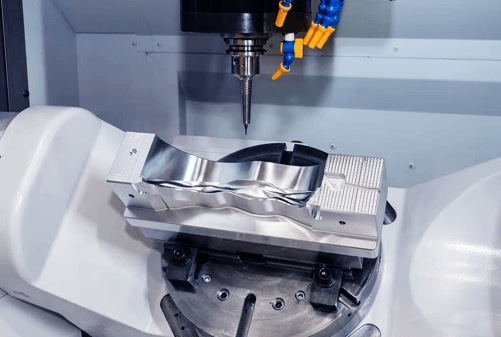
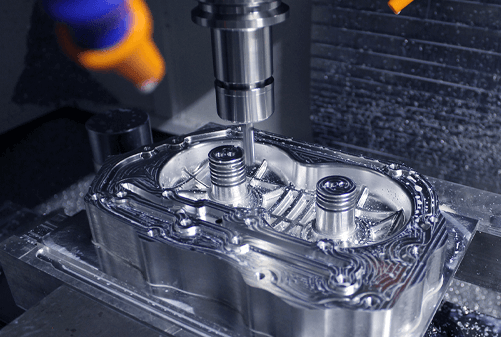
AutoRapidProto specializes in producing high-quality and precise car component prototypes. Our advanced CNC machining facilities, team of experts, and material expertise allow us to deliver effectively around the world.
Whether you need parts for high-performance vehicles, luxury or sports cars, or you require a custom automotive project, we are your reliable go-to partner. Contact us now.
Car wheel and tire consist of several parts, like the rim, spokes, hub, and tread that interconnect to aid movement, stability, and performance. Selecting the right wheel and tire packages entails considering factors like tire types and thread patterns, weight, material choice for rims, and so on.

Kim oversees engineering operations, including complex process planning, DFM reviews, and solving challenges associated with high-precision automotive components. He specializes in strict tolerance control and machining complex geometries essential for powertrain modules, suspension systems, and ADAS sensor housings. Outside of work, he enjoys the precision and strategy of playing snooker.
 Knowledges
 Knowledges
 Knowledges
 Knowledges
 Knowledges
 Knowledges

Fill out the form below and our team will get back to you promptly with a personalized quote tailored to your needs.