 Kim • Published 13 2026 Jul
The vehicle architecture refers to the load-bearing skeleton, which determines stiffness and impact behavior. Creating these structures requires careful optimization in terms of mass and durability. Let’s take a look at the evolution of these assemblies and modern manufacturing standards in this review.
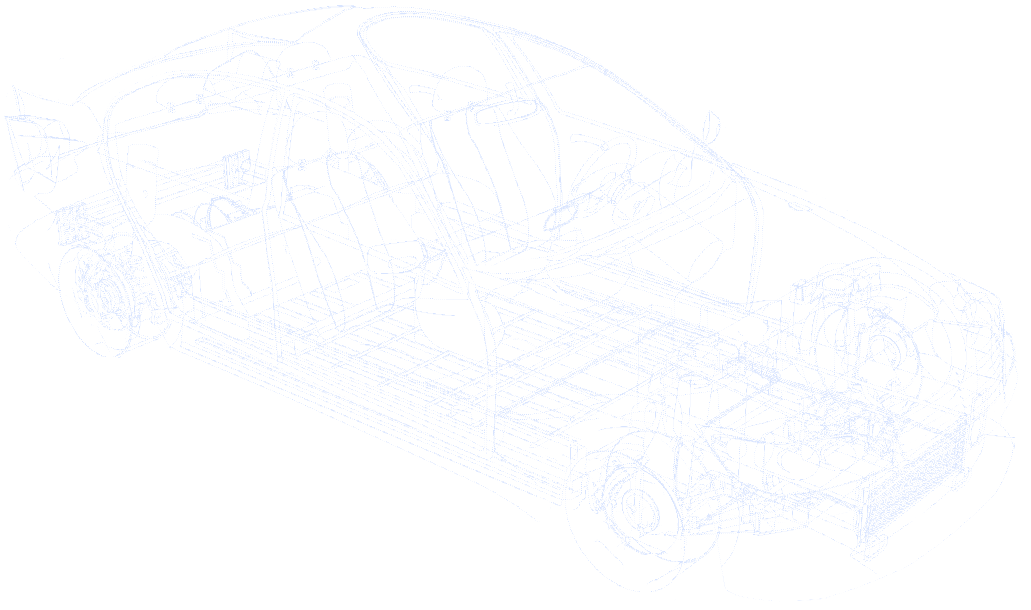
A car frame is a structural part that provides support to the entire car, including all of its mechanical components and the car body itself. Acting as the principal load path for kinetic energy in collisions, it also offers mounting spots for the suspension, engine, and driveline.
Modern engineering utilizes a category of configuration known as either body-on-frame or unibody in order to optimize torsional rigidity and distribution of weight. In the end, this assembly keeps the geometry of the vehicle within acceptable limits during operation and due to the environment.

The frame is the base chassis skeleton that supports the weight of the powertrain, passengers, and cargo. The suspension and steering system must maintain accurate geometric positioning so that they operate correctly under various driving loads.
Engineered crumple zones allow the structure to transfer kinetic energy in a heavy collision. So it creates a protective cage which preserves the integrity of the cabin space to prevent entry of outside objects or mechanical components into the passenger zone.
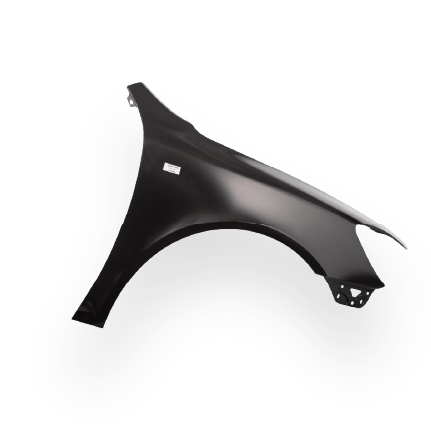
The assembly provides standardized attachment points that attach the exterior skin and trim to the vehicle. This rigid connection keeps the panels aligned, thus minimizing wind noise and preventing them from wearing out over time.
Safety components like bumper reinforcement and sensor brackets are integrated inside the structural rails for better stability. These mounting positions are provided with the proper leverage and time for deployment of the safety systems as required.
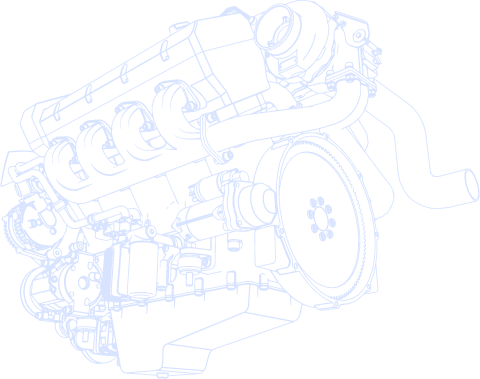
The frame is designed with heavy-duty mounts that help to isolate the engine and transmission weight and torque from the rest of the vehicle. The structure absorbs drivetrain vibrations to avoid damage to other sensitive components on the vehicle.

The traditional architecture consists of a pair of parallel longitudinal rails joined by several transverse cross-members to obtain a high beam strength. This design is usually used for heavy duty applications because the decoupled chassis is able to deal with sizeable towing and payload stresses independently from the body.
In this layout, a single heavy gauge central tube connects the front and rear axle assemblies. The driveshaft and powertrain are well-protected as they are contained within this structure. This material is exceptionally rigid torsionally for its weight; it requires fine engineering to sidestep the side-impact protection offered by the typical side rails.
The frame rails of this design extend outward to run along the edges of the vehicle body. This provides a wider cross-section, which improves the lateral impact resistance. If you lower the center floor section between the rails, you can have the full-frame and reduced overall height of the vehicle.
In the modern design, the load-bearing chassis, as well as the body panels, are created as a single frame for weight efficiency. Thanks to this design, we can create complex energy-absorption paths across the entire shell, enhancing safety in the cabin and handling.

Rails: The longitudinal members of the vehicle’s chassis run along the length. They are the primary components that bear the loads and resist bending. They provide strength to the chassis.
Cross Member: The lateral beams connect the side rails to maintain the squareness of the frame. In addition, the lateral beams help in resisting the twisting forces and support the various mechanical sub-assemblies.
Subframes: Independent structural cradles accommodate particular components, such as the engine or suspension. Moreover, they help in isolating the vibration from the main chassis.
Crush Zones: Engineered structural zones are created to deform predictably in a crash to absorb kinetic energy. This energy absorption reduces the forces imposed in the passenger cabin.
Suspension Mounts: These reinforced connection points firmly attach the control arms and struts, ensuring the wheels remain precisely aligned and routing the forces generated by the wheels directly into the body’s rigid structure.
Seat Mounts: The floor pan includes high-strength anchoring points to ensure that the seats do not move during high-g maneuvers or impacts that could alter position.
Transmission Tunnel: This structural bump enhances rigidity in the floor pan and facilitates a longitudinal cavity for these components, boosting the overall torsional performance of the chassis.
Engine Mounts: The tough brackets ensure that the powertrain is firmly secured to the frame, while dampening materials exert a stabilizing force on the engine’s mass to ensure that the effect of the engine torque never interferes with the vehicle’s dynamics.

High-strength steel remains the industry standard because of its resilience and capacity for energy absorption at low cost. We use refined alloys to ensure structural integrity as the total component thickness is gradually decreased.
We can reduce the chassis mass without compromising the torsional rigidity because of the strength-to-weight advantage of this material. Due to its natural corrosion resistance and recyclability, it is increasingly being used for high-performance and electric vehicle architecture.
Used for specific structural die-castings, magnesium possesses the lowest density of all industrial metals that are employed in frame making. By incorporating it into subframes and dashboard supports, we can achieve substantial weight reductions while maintaining superior vibration-dampening qualities.
This composite material features woven filaments set in resin for a remarkably hard and light monocoque. Despite the higher costs of production, it provides a specific strength that cannot be matched as well as precise tailoring of load-bearing characteristics in specialized frames.

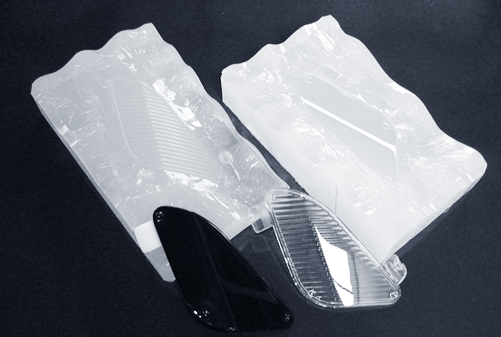
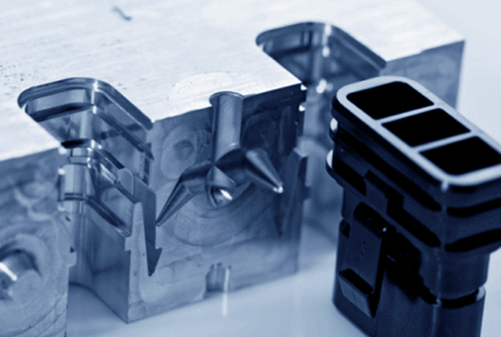
Molds engineered to exacting tolerances serve in the manufacture of complex, high-strength structural nodes. This enables the production of complex chassis components with varying wall thicknesses and integrated attachment points, thus reducing the number of parts altogether.
Thermal joining processes (robotic MIG or laser welding) connect different structural parts into a single assembly. Achieving accurate heat control assures that the strength of the joints is equal to that of the material of the frame. This is vital in maintaining the overall fatigue and operational performance of the frame.
Heavy duty hydraulic presses force sheet metal into specific geometric dies to yield high volume structural panels and rails. This process produces components that have accurate dimensions and repeatable tolerances, which are necessary for the alignment of modern unibody architectures.
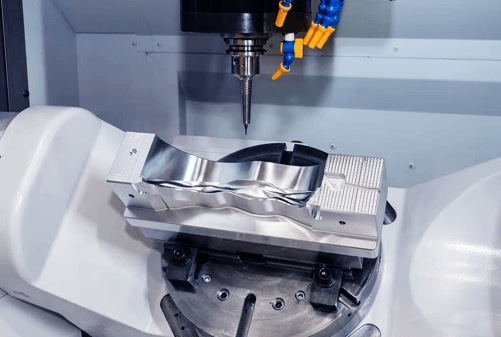
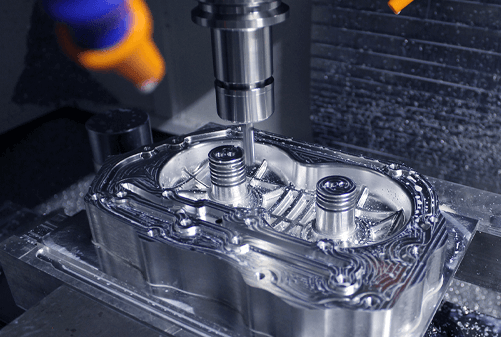
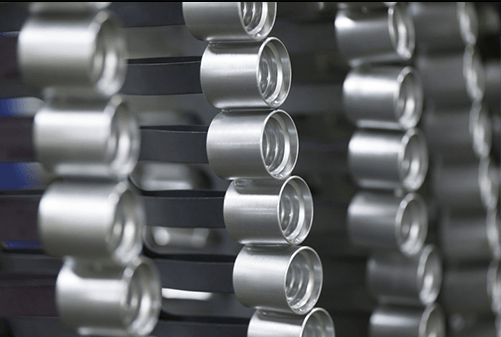
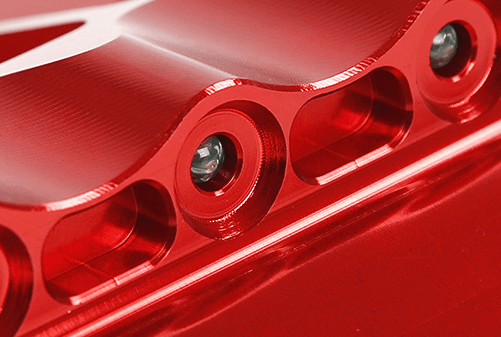
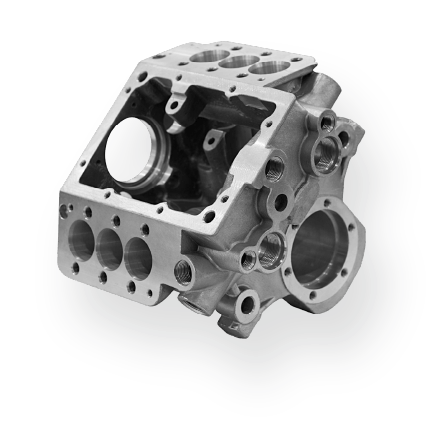
Computer-controlled cutting tools remove material from solid billets or castings to achieve high precision on critical interfaces. This subtractive process finalizes mounting surfaces and bore holes where strict tolerances are crucial for seamless powertrain and suspension integration.
The ability of a chassis to resist twisting and bending forces determines its ability to maintain its geometric integrity during cornering or heavy loading. Enhanced torsional rigidity avoids unexpected alignment shifts to keep the suspension system working within permitted parameters to provide optimal tire contact.
To balance mass and strength, the design often thins out the material in low stress zones and thickens it in areas of highest loading. Making the geometry of the frame smaller improves thermal efficiency and acceleration performance if the structural path can sustain peak mechanical stresses.
Effective designs allow repeatable production, while the joining or stamping of components must be at near-zero margin error. The design geometries, which enable easy access to weld points for robotic arms, are the essential foundations of high-volume output. Thus, this significantly reduces cycle time, and all units are guaranteed to be of consistent quality.
Managing the kinetic energy in case of any failure event can be achieved through high-strength alloys and plastic deformation zones. These structures must deflect impact forces around the passenger compartment. In effect, the frame has been morphed into a protective shell that absorbs energy, rather than transmitting it to the passenger.

The frame is only the structure or “bones” of the vehicle, which is the rigid structure. The term chassis refers to the frame and mechanical components of a vehicle, which make the vehicle mobile. Overall, the chassis is more than just a frame but includes all the workings like the engine, drivetrain, and suspension, among others.
A frame is a metal or composite stationary, non-operational component that cannot operate by itself. A chassis is in a ‘rolling’ state, meaning the power and control systems are attached, and it could be driven without the exterior panels if needed.
Car frame comprises rails, cross-members, and pillars that are loaded and impacted. The chassis combines load-bearing elements with the operational components (operational components include the steering rack, braking system, and axle) to make it a functional vehicle.
The first assembly built in production is the frame. The chassis is put together later in the process, as the powertrain and suspension are hooked up to the frame, which is essentially the last step before the body and interior are fitted.
AutoRapidProto uses advanced technologies for the production of automotive components. We speed up the development cycle through functional prototypes that satisfy strict industrial tolerances. Partner with us to transform complex designs into performance-ready metal or composite parts with unmatched speed and technical accuracy.
Modern-day car frames are a product of advanced engineering, which maintains structural rigidity and passenger safety. A vehicle is going to perform to a certain level, thanks to advanced materials and manufacturing processes used in the manufacturing of these structures. The selection of appropriate architecture is essential for the optimal durability and safety of a modern vehicle.

Kim oversees engineering operations, including complex process planning, DFM reviews, and solving challenges associated with high-precision automotive components. He specializes in strict tolerance control and machining complex geometries essential for powertrain modules, suspension systems, and ADAS sensor housings. Outside of work, he enjoys the precision and strategy of playing snooker.
 Knowledges
 Knowledges
 Knowledges
 Knowledges
 Knowledges
 Knowledges

Fill out the form below and our team will get back to you promptly with a personalized quote tailored to your needs.