 Kim • Published 30 2026 Apr
Today’s suspension engineering classifies the parts as technical components with a major impact on the mechanical grip and structural integrity. It is a challenge to balance the strength of the material with that of aerodynamics.
Let’s talk more about the functions, systems, and manufacturing of car suspension parts.
They are basically what connect the tire and the frame. The vehicle’s shocks perform the critical job of absorbing bumps in the road and keeping the tires pressed firmly against the ground. When we use a coordinated set of parts, we control the movement of the vehicle in such a way that the ride remains level and the body does not sway or bounce out of control.
To maintain traction, a vehicle must neutralize kinetic energy before it reaches the cabin. As the wheels encounter surface irregularities, the assembly facilitates vertical travel, isolating the frame from jarring impacts and continuous oscillation.
Stability depends on the precise calibration of tension and movement during weight transfers. Whether assembling car front end suspension parts or rear systems, the goal is to dissipate force effectively. This keeps the chassis flat and ensures the tire tread maintains a consistent, high-grip connection to the surface.

Instead of letting every crater and crack rattle the passengers, these parts act as a buffer. They soak up the harsh energy from uneven pavement, making sure the cabin stays quiet and the ride feels smooth rather than bone-shaking.
True control comes from keeping the rubber glued to the asphalt. The system manages the downward pressure on your tires so that whether you are hitting the gas or slamming the brakes, the car responds instantly without sliding.
Think of the suspension as the vehicle’s skeleton. It bears the burden of the entire metal frame and cargo, keeping the car at the right height and protecting the chassis from the stress of constant motion.
When you take a sharp turn or stop fast, the car naturally wants to lean or dive. Car front end suspension parts work to keep the nose up, while car back suspension parts stop the rear from dipping or swaying, keeping you centered and in control.
Everything needs to stay in its proper place for the steering to feel right. Proper geometry ensures your wheels point exactly where they should, preventing the car from drifting and keeping your tires from wearing out before their time.

They are the main parts that help support the weight of the vehicle and compress to absorb the shock of the road. By storing energy when you hit a bump, they prevent the impact from reaching the cabin. This keeps the car at a consistent height and ensures the tires stay in contact with the ground for better control.
It controls the spring’s action by converting the spring’s kinetic energy into heat energy. This stops the vehicle from bouncing after a bump. Without this part, the springs would keep moving up and down uncontrollably. It acts as a stabilizer that smooths out the ride quickly so the car feels steady and planted.
This serves as the central hinge where the wheel meets the rest of the car. It holds the hub in place and acts as the primary pivot, allowing the steering rack to actually turn the wheels. It is a heavy-duty connection point that must be incredibly strong, as it supports the weight of the wheel assembly while handling the constant friction of steering and braking.
Operating much like a human shoulder, these units provide a wide range of motion. They allow the wheels to pivot for steering while simultaneously moving vertically to handle changes in the road surface. These joints are essential for flexibility, acting as the flexible link that lets the suspension travel up and down while the driver turns left or right at the same time.

A dependent suspension system has a solid axle that connects both wheels. It’s made for high load-bearing capacity (often higher than 5,000 lbs. GAWR) while maintaining a 0-degree camber angle relative to the axle despite body roll.
Each car wheel can have a different motion in the vertical direction. By reducing the unsprung weight by 30% to 40%, we can achieve very precise camber and toe adjustments with a range of +/- 3 degrees to maximize tire contact in the curves.
Semi-independent suspension relies on a twist-beam axle providing 15% to 20% torsional compliance. It is employed largely in rear assemblies as a means of weight and space saving and represents a compromise between rigid and independent systems.
By using a steel bar’s resistance to twisting, the entity provides a linear spring rate. With just a bolt turn, it offers one to three inches of ride-height adjustment, making it highly effective for internal-frame type frame design.
Merges shock and spring into one part and also acts as the steering pivot. It uses 40% less lateral room than double-wishbones and usually enables 6 to 9 inches of total wheel travel.

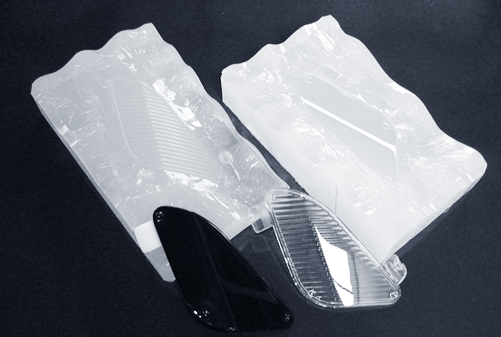
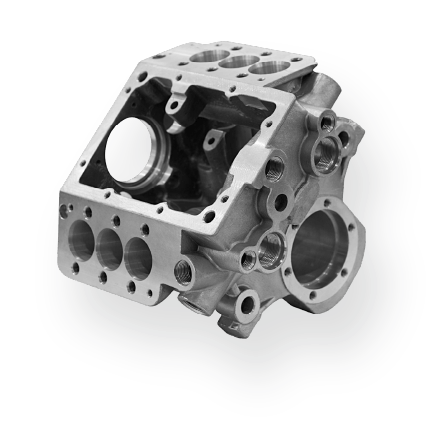
Molding of molten metal to create a component that is simple and complex in one. The method is used for components like steering knuckles and housing units that have complex geometries.
This process allows for high-volume production of parts with intricate shapes. By using a pre-designed mold, manufacturers can achieve consistency across thousands of individual units.
Forging shapes metal using localized compressive forces, which leads to a very strong internal grain structure. As a result, it is often used for high-stressed parts like control arms that cannot snap.
The extreme pressure applied during this process eliminates internal voids or bubbles in the material. This makes the finished product much more reliable when the vehicle encounters deep potholes or rough terrain.
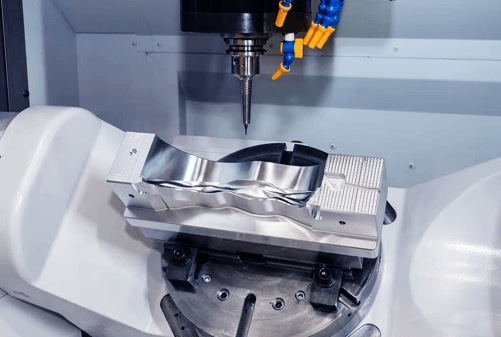
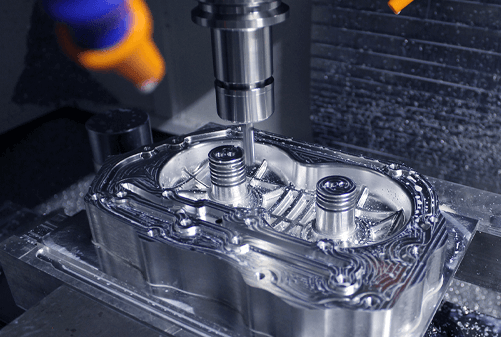
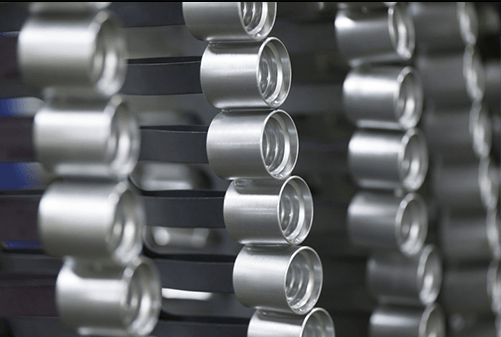
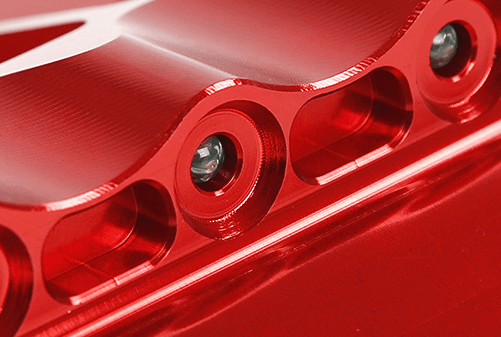
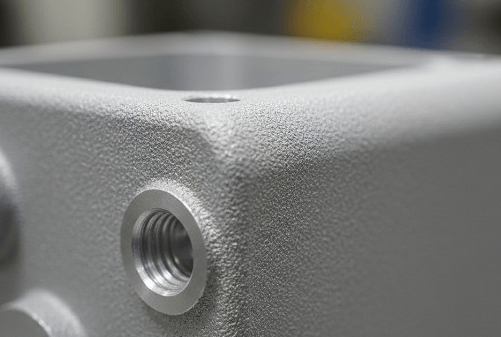
CNC Machining is a computer controlled process for removing material from the workpiece. It is used for finishing surfaces and creating the exact fitment needed for bearings and mounting points.
This specialized approach utilizes programmed logic to maintain incredibly tight tolerances for every component. This automated precision ensures that every interface is perfectly smooth and meets the highest standards for industrial assembly.
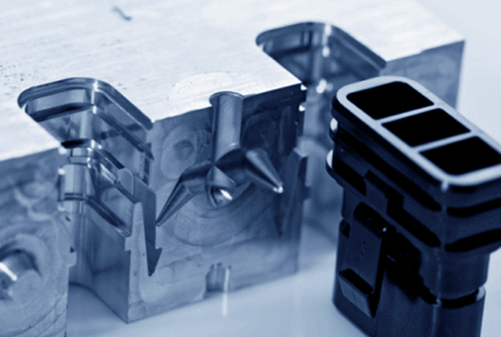
A heated material is injected into a warm mold to form durable parts. This is the usual process for manufacturing the rubber or polyurethane bushings and bumpers that deaden road noise.
The versatility of this method allows for the creation of parts with varying degrees of hardness or flexibility. It is essential for producing the small, resilient items that keep the car ride feeling smooth and quiet.
Welding production involves fusing together separate pieces of metal using intense heat. Subframes and axle housings need to be constructed this way to guarantee the whole suspension stays connected.
This creates a bond that is often as strong as the base metal itself, ensuring the vehicle’s foundation remains rigid. It is the most effective way to combine heavy-duty steel plates into a single, unified chassis component.

Fluid Leaks: This refers to any oil that appears on the body of the shocks or struts, indicating a seal failure. This means that the part can no longer dampen bounces.
Knocking or Clunking: If the car makes a knocking sound or clunks when you turn or go over a bump, that usually means the ball joints or control arm bushings have worn down and have developed too much play.
Uneven Tire Wear: The presence of bald spots or “cupping” on tires indicates that the suspension is not keeping the wheel stable and aligned.
Vehicle Pulling: In case your vehicle drifts to the side when driving straight, the problem may be caused by shifted components or a knocked-out wheel alignment.
Nose Diving: Nose diving occurs due to weight transfer during braking, which causes the front suspension parts to no longer support the car’s weight as before.
The maintenance of a suspension system ensures the safety, handling, and long-term durability of the chassis. You can identify wear and maintain peak performance by understanding how individual components handle the forces acting on the road.
If you are looking for a reliable manufacturer of custom car parts, contact AutoRapidProto to get started on your projects. We specialize in precision-engineered components designed to enhance ride quality and steering accuracy through specialized builds. Reach out today to discuss your requirements for durable, high-performance custom suspension parts.

Kim oversees engineering operations, including complex process planning, DFM reviews, and solving challenges associated with high-precision automotive components. He specializes in strict tolerance control and machining complex geometries essential for powertrain modules, suspension systems, and ADAS sensor housings. Outside of work, he enjoys the precision and strategy of playing snooker.
 Knowledges
 Knowledges
 Knowledges
 Knowledges
 Knowledges
 Knowledges

Fill out the form below and our team will get back to you promptly with a personalized quote tailored to your needs.