Bin • Published 08 2026 May
A tail light is an essential part of a car that provides brightness at night or in low-light situations. This component also improves aesthetics and can be customized to enhance its market value and performance. In this article, we explain all you need to know about car tail lights, including their types, materials, etc.
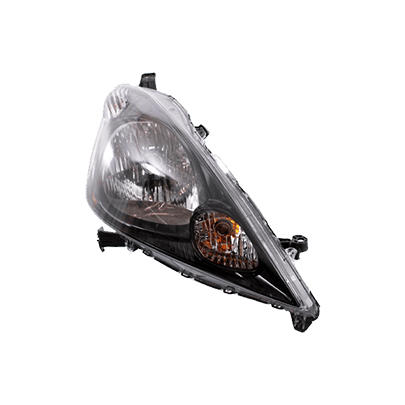
This is a lightning component located at the rear of a car to provide illumination so that visibility can be maintained at the back section of the car.
As such, it is important for safety, usually red in color, and is always active when the headlights are turned on.
These are the traditional type used in older vehicles. It uses a tungsten filament and allows electric current to flow through it so as to generate light.
Beyond that, its bulb is usually protected and covered within a glass casing that contains inert gas. This helps ensure the filament’s longevity. Once electricity passes through the filament, it glows and generates the typical red light.
Light Emitting Diode is used in modern vehicles due to its energy efficiency. They can last up to 50,000 hours and consume about 75% less energy compared to incandescent lights.
Moreso, they utilize semiconductor technology to generate light as electricity flows through them. LED lights usually contain several small diodes organized in a particular pattern that aligns with the design.
This uses optical fiber to transmit light evenly through the rear lighting units. It transfers the light from the source, usually an LED placed at one end of the fiber, and the light flows through the fiber to create a bright, uniform glow.
Because the fiber can be set up in many shapes and patterns, this rear tail light type allows unique and creative designs.
This type uses advanced technology that works with laser diodes to produce lights. As such, the laser beam is first transmitted to a phosphor converter, which then changes the light to a visible, bright, uniform one.

PC is valued for the tail light assembly due to its strength and impact resistance. It has an exceptional optical clarity, which makes it perfect for the bright light needed for safety.
Beyond that, it is lightweight and resistant to temperature and UV radiation, which helps it maintain a long lifespan in extreme conditions.
Acrylic is another important plastic used for tail lights because of its excellent transparency and light transmission capacity.
It is lighter than glass and offers resistance to scratches, which makes it perfect for an automobile light that must withstand weather conditions. Also, it is cost-effective and allows for different designs and colors
This is another strong and durable plastic used for the tail light assembly. It offers extreme toughness, rigidity, impact, corrosion, and temperature resistance, which makes it perfect for a tail light cover.
ABS is generally cost-effective, with good dimensional stability, and can be easily formed into shapes.
PP is valued for its lightweight and optical properties. It offers chemical, moisture, and fatigue resistance and toughness, which makes it perfect for extreme environmental use.
Many composites used for producing car tail lights do contain plastic and fiber, especially glass and carbon. The fiber constituent helps improve strength while reducing overall weight.

With customized tail lights, different designs, colors, patterns and shapes can be created according to the owner’s preference to improve the visual appeal and aesthetics.
Customization allows you to choose specific, durable and quality materials. You can easily opt for advanced laser or fiber optic technologies or select more intricate designs. All of this enhances overall quality.
It also gives room to increase the market value of vehicles. For individuals who sell cars, customized tail lights improve the uniqueness and styling of cars. This extra feature brings more value that attracts more cost.
Custom tail lights allow for the design and addition of features that specifically enhance visibility and safety.
LED light improves brightness, ensuring that your car is seen even in harsh weather conditions. Beyond that, dynamic turn signals and sequential lighting patterns can be included to prevent accidents.

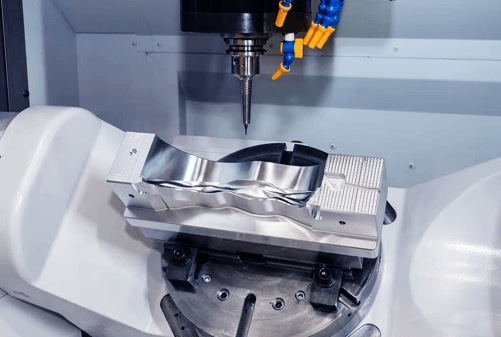
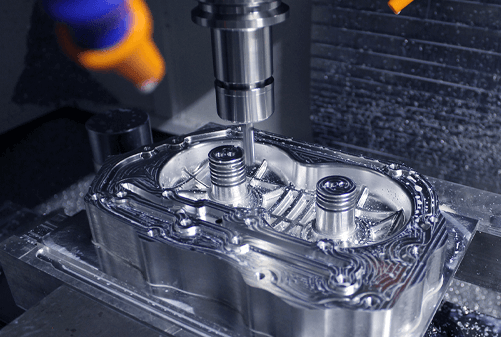
CNC machining uses computer-controlled tools to remove materials from a workpiece till the desired component is achieved.
It is compatible with different plastics and composites, which makes it perfect for different assemblies. It offers tight tolerances, consistency, and a perfect finish and is suitable for intricate custom design and prototypes.
Injection molding involves injecting a molten material into a mold till it cools and solidifies to form the component.
It is compatible with several plastics like PC, PP, ABS, etc. Beyond that, it is a perfect method for the mass production of tail light covers with consistency.
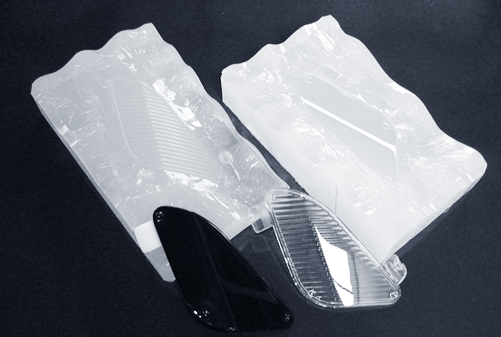
Vacuum casting works by pouring the liquefied material into a mold under vacuum to create the component. It is suitable for complex custom light design, small production, and offers smooth finishing.
This is an additive method used to create a component by building it layer by layer with the aid of digital design.
It works with plastics and resins and is suitable for complex designs. 3D printing is a good option for rapid prototyping since it allows for a quick testing process and redesigns.
While both the brake and tail lights are located at the rear, they carry out varying functions. Tail lights give adequate illumination and brightness, ensuring the car is visible at night. They are always turned on when the headlights are active.
On the other hand, the brake light indicates that a car is stopping or slowing down. It is always active when the brake pedal is applied by the driver, and it provides a higher light intensity compared to the tail lights.

You should look out for the car model, year, make, and trim. By ensuring these details fit the specific tail light, you can prevent electrical problems and incorrect installation.
Different countries and regions have varying lighting regulations, from the brightness to functionality, etc.
Understanding your specific location requirement is key to maintaining compliance. For example, in the US, tail lights must be DOT (Department of Transportation) compliant.
While incandescent is cost effective, they generate more heat with low energy efficiency. LED offers better efficiency with a long life span, while laser offers compact design, exceptional brightness, and longevity.
You also need to check for the specific material used. ABS and PC are very durable. Look out for UV-resistant coating, waterproof ratings, and so on. This helps ensure longevity and reduces the need for repair.
Modern tail lights come with several design styles and features, including sequential turn signals, smoked lenses, dynamic lighting signals, etc. As such, you would need to select a design that gives extra aesthetic while improving performance.
Check out the mode of installation. Plug-and-play design is easy compared to those that need complex wiring. A warranty covering 1 to 2 years should also be provided.
Car tail lights help provide adequate visibility for drivers, ensuring that safety is maintained even in extreme conditions. Beyond that, it improves aesthetics, and it can be customized to enhance performance and visual appeal.
AutoRapidProto provides advanced technological manufacturing for your customized automotive lighting and other vehicle components. From CNC machining, injection molding, 3D printing, etc., our team of experts ensures every component meets industry standards and quality. Our processes are fully inspected, and we deliver worldwide. Get in touch now.

Bin manages daily production, ensuring seamless workflow coordination and shop-floor efficiency. With deep expertise in high-consistency machining and specialized tooling for automotive-grade metals and alloys, he ensures every prototype meets rigorous vehicle development schedules and traceability standards. In his free time, he seeks inspiration through outdoor exploration and adventure trips.
 Knowledges
 Knowledges
 Knowledges
 Knowledges
 Knowledges
 Knowledges

Fill out the form below and our team will get back to you promptly with a personalized quote tailored to your needs.