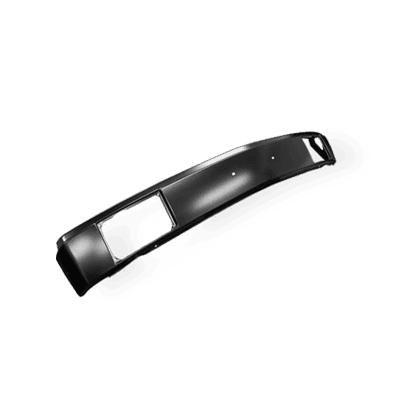
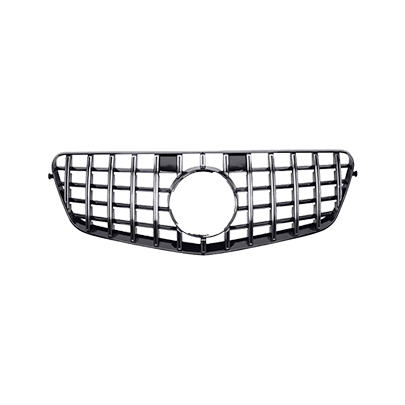
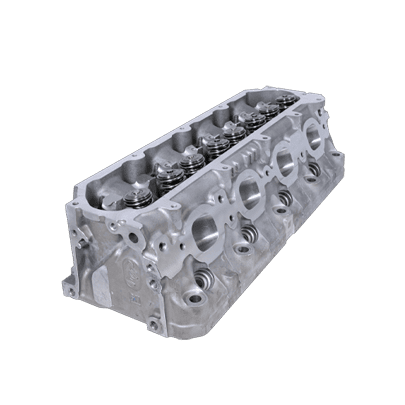
Roof Rail Prototype Precision Machining

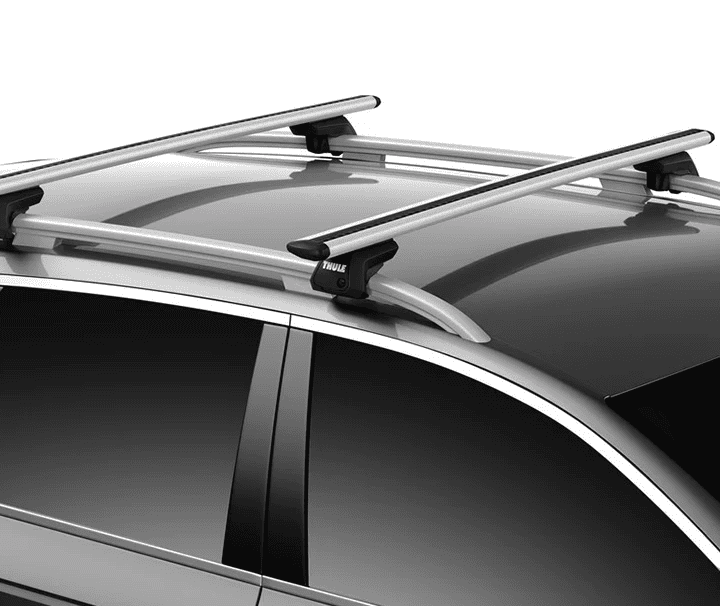
Accurate roof rail prototype with tight tolerances, mounting precision, and high-quality surface treatment, and rapid turnaround for your automotive needs.

Contact Us
Overview

Roof Rail Prototype Production Capabilities

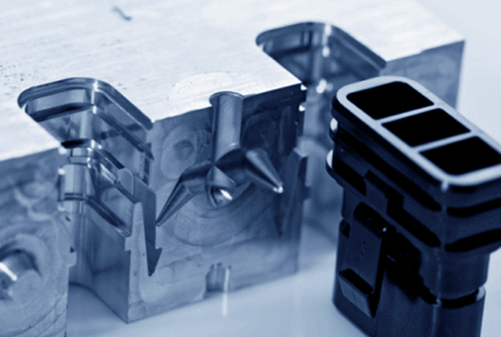
Our roof rail prototype manufacturing utilizes CNC milling, extrusion simulation, and anodizing processes to deliver accurate cross-sections, consistent wall thicknesses, and corrosion-resistant finishes that mirror series production standards.

Whether you need single fitment samples or small pre-production batches, we manufacture roof rail prototypes in aluminum alloys, ABS, and reinforced composites, supported by full dimensional inspection and vehicle mounting verification.

Contact Us
Challenge

Challenges and Solutions for Roof Rail Prototypes

  • 01

    Length Distortion

    Long-span roof rail blanks are prone to bowing during machining. Precision multi-point clamping systems distribute cutting forces evenly, maintaining straightness tolerances.

  • 02

    Cross-Section Accuracy

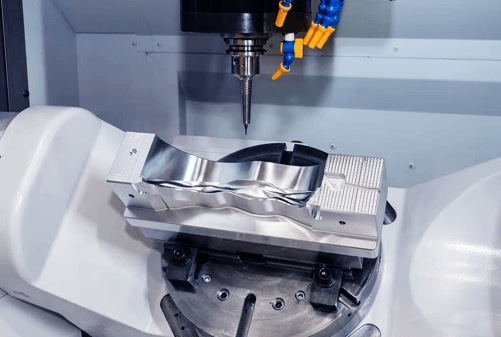
    Roof rail profiles involve complex hollow cross-sections that are difficult to replicate. Strategic 5-axis milling accurately reproduces internal channel geometries within dimensional requirements.

  • 03

    Mounting Interface machining

    Bracket attachment points require exact hole positioning. Dedicated fixturing with coordinated drilling cycles ensures every mounting interface aligns with vehicle reference datums.

  • 04

    Surface Preparation

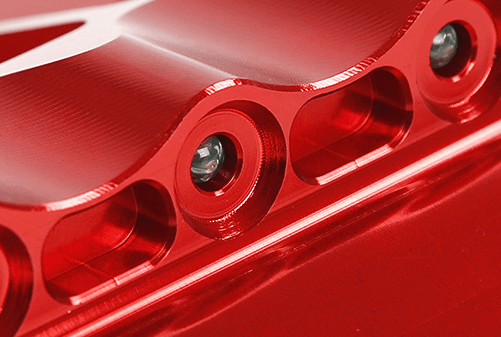
    Aluminum roof rail requires controlled surface treatment before anodizing. Systematic mechanical polishing followed by chemical pre-treatment removes micro-burrs and oxidation layers.

  • 05

    Assembly Sequencing

    Roof rail prototypes involve multiple sub-components requiring staged assembly. A controlled production routing process coordinates machining, surface treatment, and hardware installation.

Capabilities

Roof Rail Prototype Technical Specifications

Essential dimensional, material, and process parameters for evaluating roof rail prototype manufacturing across automotive development and validation programs.

Contact Us
Parameters Details
Max Rail Length 2,200 mm (CNC machining); 1,800 mm (vacuum cast aluminum simulation)
Dimensional Tolerance ±0.08 mm (CNC milled)
Available Materials 6061-T6 aluminum, 7075 aluminum, ABS, PC-ABS, glass-filled nylon (PA6-GF)
Surface Finish Ra 0.8–3.2 µm
Machining Axes 3-axis and 5-axis CNC
Wall Thickness Range 1.5 mm minimum (aluminum CNC); 2.0 mm minimum (plastic prototype variants)
Prototype Lead Time 3–7 business days
Related

Explore More Parts

Why Choose Us

Why Engineers Choose Our Roof Rail Prototype

  • 01

    Quality Standards

    Every roof rail prototype is manufactured and inspected against automotive-grade dimensions.

  • 02

    Precision Tolerance

    Roof rail mounting interfaces and profile cross-sections held within ±0.08 mm consistently.

  • 03

    Fast Iteration

    Design revisions updated roof rail prototypes delivered within four business days.

FAQs

Frequently Asked Questions

Contact Us
What tolerances can you achieve for bumper prototypes?
We achieve ±0.02 mm to ±0.05 mm tolerances, verified by CMM inspection reports to ensure dimensional accuracy and reliable fitment for assembly and validation.
Do you support automotive-grade materials for functional testing?
We machine ABS, PC, PP, and aluminum alloys, supporting functional testing, structural validation, and material performance evaluation aligned with automotive prototype requirements.
Can you meet surface finish requirements for aerodynamic testing?
We control surface roughness through optimized machining and secondary finishing, achieving consistent Ra values suitable for wind tunnel testing and appearance validation.
How do you handle oversized bumper prototype machining?
We segment large parts and use precision bonding and alignment methods to ensure structural integrity, accurate geometry, and consistent performance across the assembled prototype.
What is your lead time for complex bumper prototypes?
Typical lead time is 7–10 business days, depending on geometry and material, supporting fast iteration cycles and timely automotive development and validation schedules.