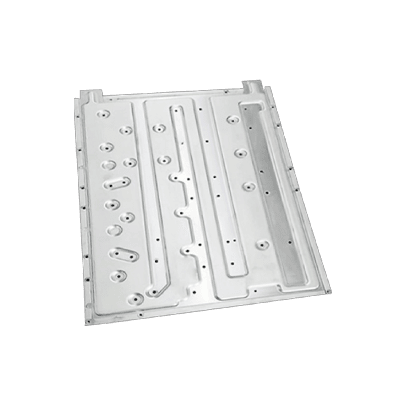
High-Performance ECU Housing Prototypes

Expertly machined ECU housings featuring thermal management, EMI shielding, and rigorous tolerances tailored for high-stakes automotive engineering validation.

Contact Us
Overview

Seamless ECU Housing Integration

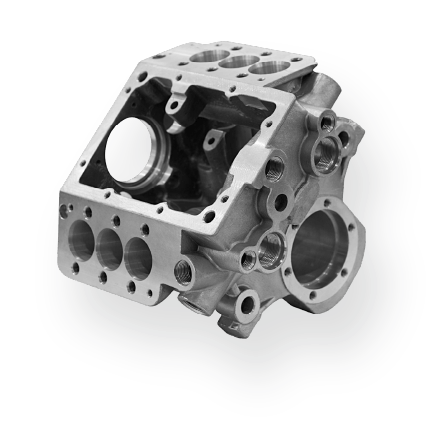
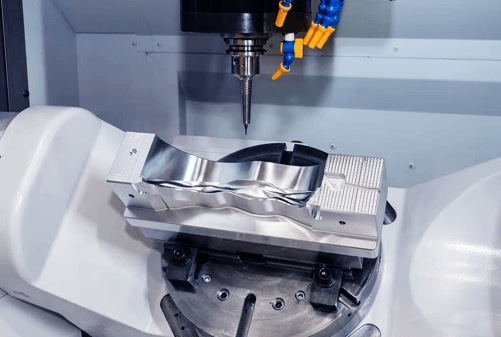
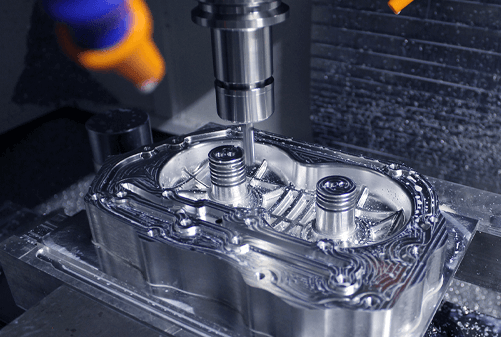
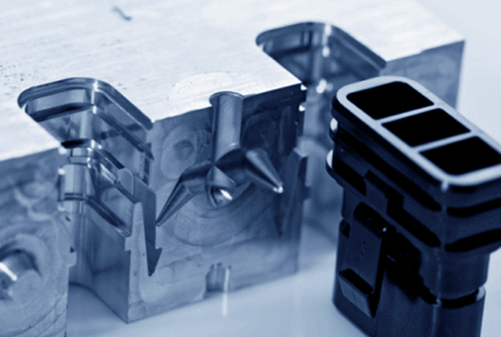
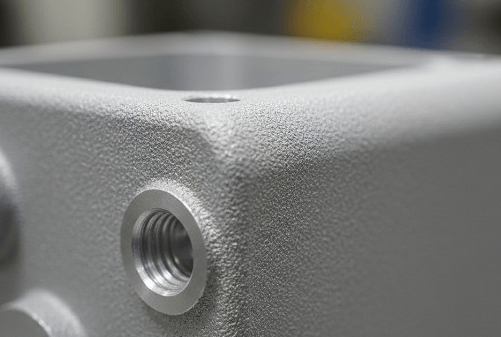
Integrating advanced 5-axis machining with strict quality control, we produce ECU prototypes that mirror final production parts. Our focus remains on material purity, mechanical strength, and flawless surface finishes.

Accelerate your development cycle with our agile small-batch production. We offer comprehensive support, including DFM feedback, surface treatments, and assembly services, ensuring every ECU housing meets the complex demands of modern automotive systems.

Contact Us
Challenges

Challenge & Solutions For ECU Housing Prototypes

  • 01

    Thermal Regulation

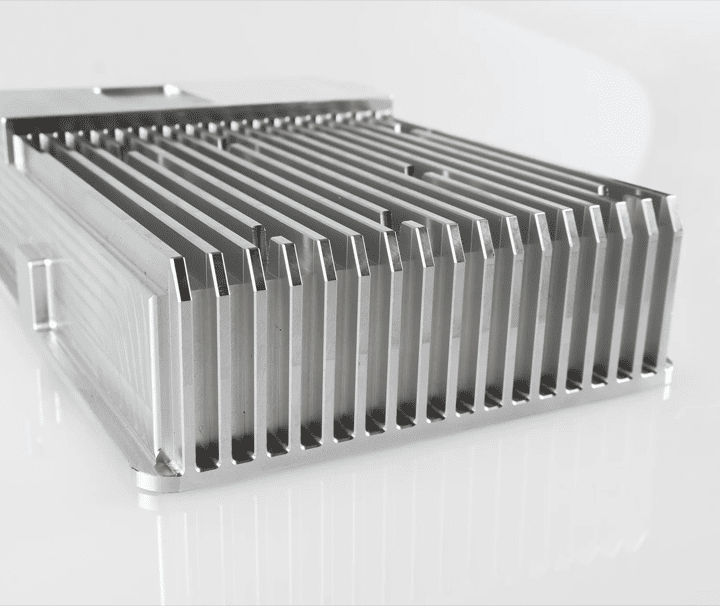
    Effective heat dissipation remains a critical hurdle for high-density boards. We integrate high-conductivity alloys and optimized fin geometries so processors stay within safe temperature ranges.

  • 02

    Signal Integrity

    Electromagnetic interference can compromise sensitive vehicle data. Our precision-machined mating surfaces and conductive coatings create a robust Faraday cage, ensuring the housing blocks external noise.

  • 03

    Ingress Protection

    Harsh under-the-hood environments demand flawless sealing against moisture and chemicals. By engineering tight-tolerance grooves for specialized gaskets, we guarantee IP67-rated protection under extreme automotive pressures.

  • 04

    Vibration Resistance

    Mechanical fatigue leads to housing cracks or mounting failures. Our team utilizes aerospace-grade aluminum to provide the structural rigidity needed to withstand intense road vibrations.

  • 05

    Mass Reduction

    Reducing vehicle weight is essential for range, yet structural integrity cannot be sacrificed. We utilize advanced machining techniques to shed unnecessary grams while maintaining strength.

Capabilities

ECU Housing Prototype Technical Specs

These technical specifications define our high-precision machining capabilities, ensuring your prototypes meet strict automotive tolerances.

Contact Us
Manufacturing Parameter Technical Specification
5-Axis Machining Envelope Up to 800 × 700 × 600 mm for multi-faceted housings
3-Axis Machining Envelope Up to 2500 × 1500 × 800 mm for large-scale enclosures
Dimensional Tolerances Machining precision maintained at ±0.01 mm for critical internal components
Surface Roughness Standard finishes from Ra 0.8 µm to Ra 3.2 µm for sealing integrity
Minimum Wall Thickness Reliable production of thin-wall profiles down to 0.5 mm
Material Selection High-grade AL6061-T6, AL7075, and specialized automotive die-cast alloys
Hole & Thread Accuracy Precision tapping for M1.6+ threads and secure Helicoil installations
Related

Explore More Parts

Why Choose Us

Why Engineers Choose Our ECU Housing Prototypes

  • 01

    Tier-1 Precision

    Machining accuracy that mirrors mass-production quality for seamless vehicle integration.

  • 02

    Agile Iteration

    Rapid design-to-part cycles allow for immediate functional and thermal validation.

  • 03

    Material Integrity

    Verified automotive-grade alloys ensure prototypes survive extreme environmental stress tests.

FAQs

Frequently Asked Questions

Contact Us
What tolerances can you achieve for bumper prototypes?
We achieve ±0.02 mm to ±0.05 mm tolerances, verified by CMM inspection reports to ensure dimensional accuracy and reliable fitment for assembly and validation.
Do you support automotive-grade materials for functional testing?
We machine ABS, PC, PP, and aluminum alloys, supporting functional testing, structural validation, and material performance evaluation aligned with automotive prototype requirements.
Can you meet surface finish requirements for aerodynamic testing?
We control surface roughness through optimized machining and secondary finishing, achieving consistent Ra values suitable for wind tunnel testing and appearance validation.
How do you handle oversized bumper prototype machining?
We segment large parts and use precision bonding and alignment methods to ensure structural integrity, accurate geometry, and consistent performance across the assembled prototype.
What is your lead time for complex bumper prototypes?
Typical lead time is 7–10 business days, depending on geometry and material, supporting fast iteration cycles and timely automotive development and validation schedules.