EV Battery Housing Prototyping

Precision EV battery housing prototypes with rigid enclosure accuracy, thermal control features, and fast turnaround for electric drivetrain validation and safety testing.

Contact Us
Overview

EV Battery Housing Engineering

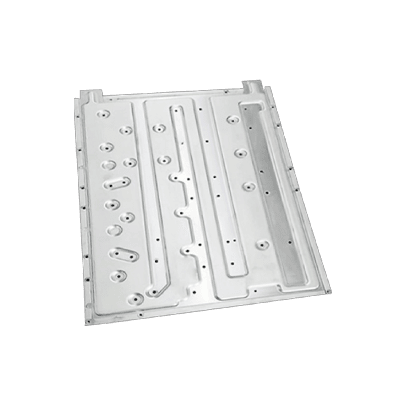
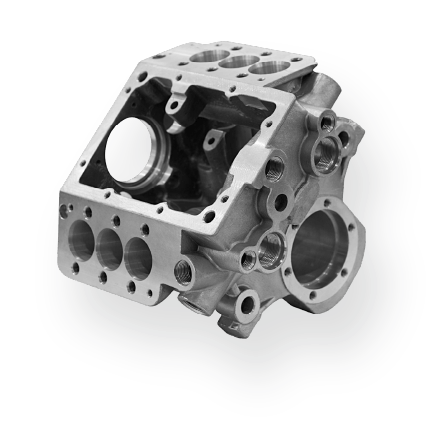
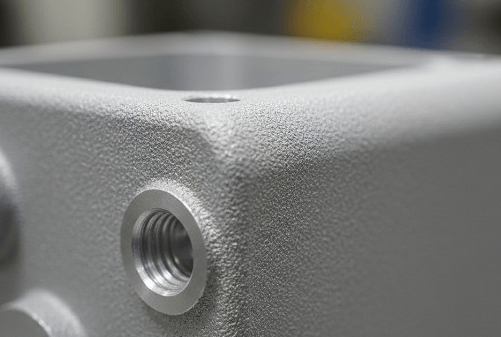
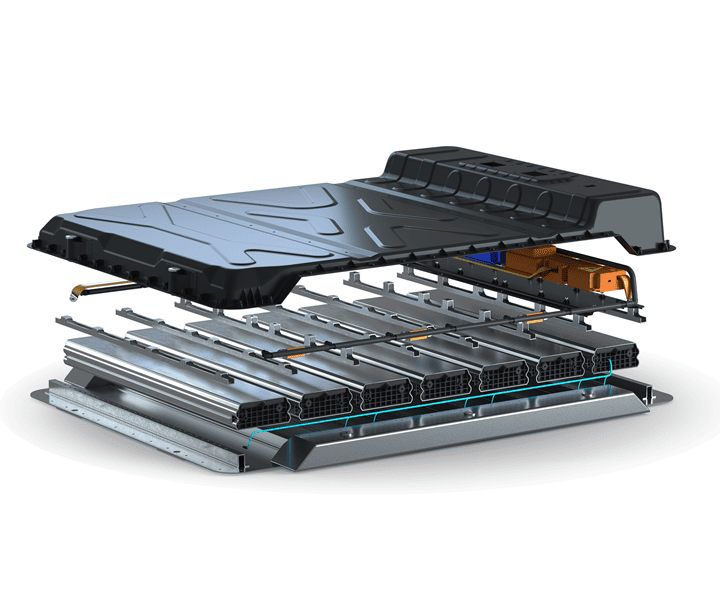
We build EV battery housing prototypes with precise structural enclosures, optimized mounting geometry, and integrated cooling interface accuracy to support safe and stable battery system performance.

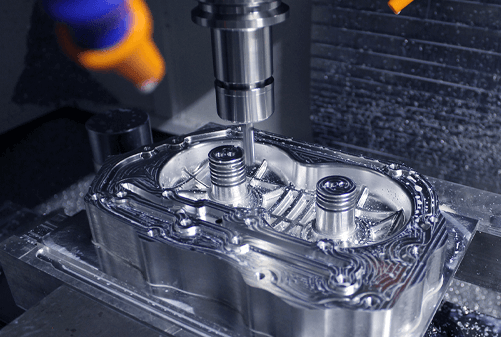
Our prototyping services support early-stage EV development and small-batch builds, offering flexible material options, fast design adjustments, and detailed inspection data for enclosure validation, thermal testing, and pack integration.

Contact Us
Challenges

Challenges & Solutions For EV Battery Housing

  • 01

    Heat Management

    We design and machine housing structures that support efficient heat transfer paths, helping maintain stable battery operating temperatures during charging cycles and high-load driving conditions.

  • 02

    Crash Safety

    Reinforced enclosure geometry improves structural resistance, ensuring battery modules remain protected from impact forces during collision testing and real-world safety validation scenarios.

  • 03

    Seal Protection

    Precision-machined mating surfaces ensure tight enclosure sealing, preventing water, dust, and debris ingress while maintaining long-term environmental protection for battery systems.

  • 04

    Light Design

    Optimized wall thickness and material selection reduce overall housing weight while maintaining stiffness, improving EV efficiency without compromising structural reliability.

  • 05

    Pack Alignment

    High-accuracy machining ensures correct positioning of battery modules inside the enclosure, supporting stable electrical connection and consistent assembly performance.

Capabilities

EV Battery Housing Technical Specs

Key specifications for EV battery housing prototypes, ensuring structural precision, safety performance, and thermal reliability.

Contact Us
Manufacturing Parameter Technical Specification
Max Part Size 1500 × 1000 × 600 mm
Machining Capability 3-axis & 5-axis CNC machining
Dimensional Tolerance ±0.05 mm (critical sealing interfaces)
Surface Finish Ra 1.6 – 3.2 µm
Material Options Aluminum alloys, engineering composites
Inspection Method CMM inspection with leak-path evaluation
Lead Time 7–15 days prototype, 15–30 days small batch
Related

Explore More Parts

Why Choose Us

Why Engineers Choose Our EV Battery Housing

  • 01

    Thermal Stability

    Supports consistent battery temperature control under load.

  • 02

    Structural Safety

    Designed to protect modules under impact and vibration conditions.

  • 03

    Precision Fitment

    Ensures accurate alignment of battery modules and enclosure interfaces.

FAQs

Frequently Asked Questions

Contact Us
What tolerances can you achieve for bumper prototypes?
We achieve ±0.02 mm to ±0.05 mm tolerances, verified by CMM inspection reports to ensure dimensional accuracy and reliable fitment for assembly and validation.
Do you support automotive-grade materials for functional testing?
We machine ABS, PC, PP, and aluminum alloys, supporting functional testing, structural validation, and material performance evaluation aligned with automotive prototype requirements.
Can you meet surface finish requirements for aerodynamic testing?
We control surface roughness through optimized machining and secondary finishing, achieving consistent Ra values suitable for wind tunnel testing and appearance validation.
How do you handle oversized bumper prototype machining?
We segment large parts and use precision bonding and alignment methods to ensure structural integrity, accurate geometry, and consistent performance across the assembled prototype.
What is your lead time for complex bumper prototypes?
Typical lead time is 7–10 business days, depending on geometry and material, supporting fast iteration cycles and timely automotive development and validation schedules.