 Peter • Published 30 2026 Apr
Today’s automotive steering systems are not just simple mechanical leverage units but sophisticated, high-response interfaces. We aim to adapt the force path from the steering column to the rack, so the vehicle heading remains consistent, regardless of load conditions.
Now, let’s discuss how the automotive steering system works.
Automotive steering systems refer to the overall assembly of mechanical and electrical components used to control the directional heading of the vehicle. It means the mechanism that converts the driver’s rotary steering effort into the angular displacement of the front wheels for steering control.
By managing the dimensions between the steering column, energization units, and wheel hubs, we ensure that the vehicle retains its trajectory while absorbing road shocks, while providing adequate feedback to the user.
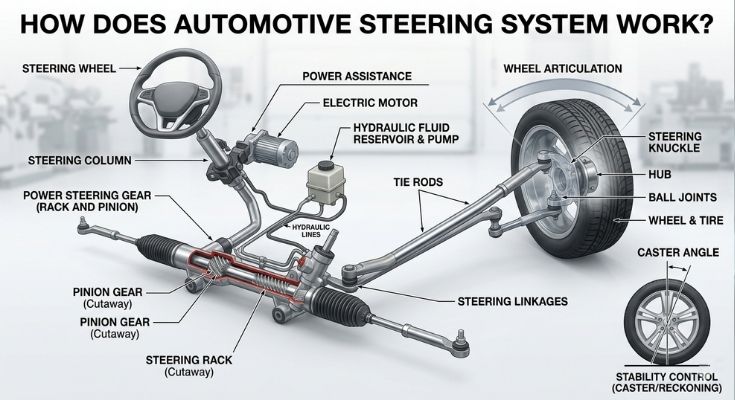
We enable vehicle maneuvering by transforming the driver’s rotation into a lateral force that turns the wheels. This transition is made possible thanks to a precise construction of mechanics, meaning the tires follow every minor movement of the steering wheel.
Force Translation: The gear set is operated by torque transfer through the steering column, which shifts a horizontal bar (rack) left or right.
Power Assistance: To reduce the exertion involved, we use an electric motor or hydraulic fluid to help in moving this rack, depending on whether the automobile uses an automotive electric steering system or a hydraulic.
Wheel Articulation: The operation of the moving rack, either pulling or pushing the steering linkages, forces the wheel hubs to rotate about their axes
Stability Control: We depend on the physical arrangement of the system for the wheels to return to a straight position of their own accord and to be stable at high speeds.

The wheel angle of the system is adjusted in curves and intersections by changing the radius. This helps in maintaining the proper path of the wheels while controlling the friction between the tread and the road.
Making lateral shifts takes delicate use of the throttle to move the chassis between lanes. System calibration prevents adjustments from occurring that wouldn’t occur if there were no corrections.
By making quick turns in a lateral direction, it is possible to quickly avoid hazards. The steering geometry must give high-speed response rates to maintain control of the vehicle in these situations.
The system employs maximum articulation to maneuver the vehicle in tight spaces while driving slowly. In such scenarios, the objective units set the necessary force to turn the wheel hubs when the vehicle is almost stationary.

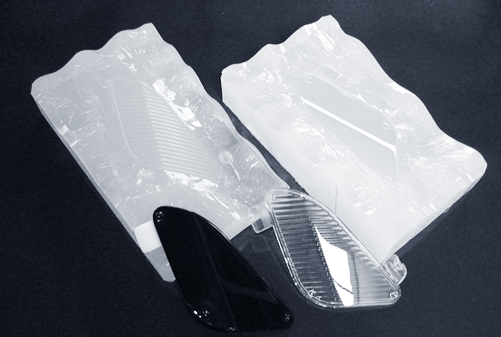
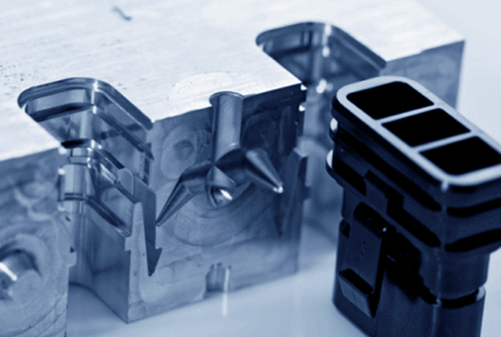
Generally, high-strength internal skeletons will be die-cast with magnesium or aluminum alloys for a good strength-to-weight ratio. This frame will be placed into an injection molding machine where a polyurethane foam/special plastic is overmolded to give the ergonomic grip and finished surface.
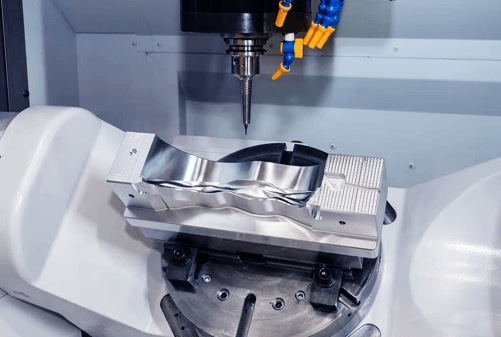
The seamless steel tubing is cold-drawn to manufacture these parts with high torsional rigidity. To achieve a tight tolerance that allows a minimal amount of play on the universal joints and splined ends, precision forging and/or CNC machining are utilized.
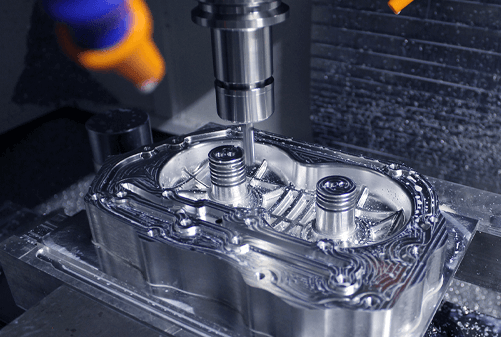
Housing for the rack and pinion is usually made through an aluminum high-pressure die casting for complex internal geometries with minimum weight. The internal rack and pinion gears undergo induction hardening and grinding after machining to ensure they are resistant to friction and high loads.
The steering knuckle serves as an important load bearing member; it is made of closed-die forged medium carbon steel or ductile iron cast. This process aligns the grains of the metal for better fatigue resistance, followed by multi-axis CNC milling of the bearing and ball joint mounting points.
Linkages are made through the hot forging of the rod and the joining of the ball joint housing into a strong one. The sections with threads are manufactured by way of thread rolling rather than cutting because no cutting occurs here, and the integrity of the material is maintained, and the fatigue life of the connection points is increased.

This design uses a pinion gear that will move a rack with teeth that is lightweight and connected directly. Passenger vehicles use it, and it is recognized as the industry’s standard due to its accuracy and compact construction.
These systems use hydraulic pressure or electric motors to enhance driver input and lessen steering effort. With the help of automotive electric steering or hydraulic pump systems, vehicles are able to steer under heavy loads and at low speeds.
A pitman arm for actuator steering linkages can be displaced by a worm gear with circulating ball bearings. This heavy-duty configuration is preferred on trucks and SUVs as it withstands large amounts of road shock and high weight capacity.

By modulating brake pressure very quickly, wheel lock-up is prevented during emergency braking to maintain steering integrity. In the event that the driver must use the brakes at full force, this feature allows the driver to retain directional control and steer around an obstacle.
The system identifies whether a skid or loss of grip is occurring by checking the intended direction against the actual direction of the vehicle. It automatically uses the brakes for each wheel and adjusts the steering torque to help keep the car aligned and prevent it from rolling over or spinning out.
Onboard cameras detect lane markings and provide corrective steering torque if the vehicle moves away from the lane without signaling. This is designed to help prevent a collision from the side as well as off-road.
Based on the data coming from 360-degree sensors, advanced actuators and redundant electronic control units execute steering commands. Autonomous systems rely on algorithms with a high degree of precision that are capable of managing complicated navigation decisively.

To ensure that every part adheres to the strict specifications of the design, manufacturers undertake precision measuring. When any one part moves a fraction of a millimetre, other parts no longer work smoothly together. Something will start to vibrate or suffer wear.
Metal and metal alloys undergo various checks to ensure they measure up to hardness and strength standards. This procedure verifies that the steel or aluminum will not crack or weaken due to stress after daily driving.
Stress cycles of components are attempted in the lab for years of heavy use in a short time. It shows how well the components withstand abuse and for how long, so that the steering system does not stop functioning unexpectedly after miles of driving.
When units are finished, they are sent out to the field to check for any operational issues and to determine response times. This last confirmation checks that the support systems and mechanical links work together perfectly before installation in the vehicle.
The automotive steering system is the cornerstone that ensures the safety and direction of movement of the vehicle on the road. As technology moves towards becoming electric and autonomous, the demand for complex engineered components and rugged steering systems is only going to increase.
Maintaining high manufacturing standards is essential for ensuring reliability on the road. Are you looking for expert guidance and high-quality parts? Contact AutoRapidProto today to turn your high-performance designs into road-ready realities with industry-leading precision.

Peter leads the engineering team, bridging the gap between design concepts and functional prototypes. He specializes in optimizing DFM (Design for Manufacturability) for complex automotive components such as EV motor housings, battery enclosures, and interior structural parts. Outside work, he enjoys cycling and restoring vintage motorcycles.
 Knowledges
 Knowledges
 Knowledges
 Knowledges
 Knowledges
 Knowledges

Fill out the form below and our team will get back to you promptly with a personalized quote tailored to your needs.