Jane • Published 08 2026 May
A car chassis ensures adequate weight distribution, balances the car’s structure, and absorbs crashes for safety. This guide explains the types available and their functions, several components, and so on.
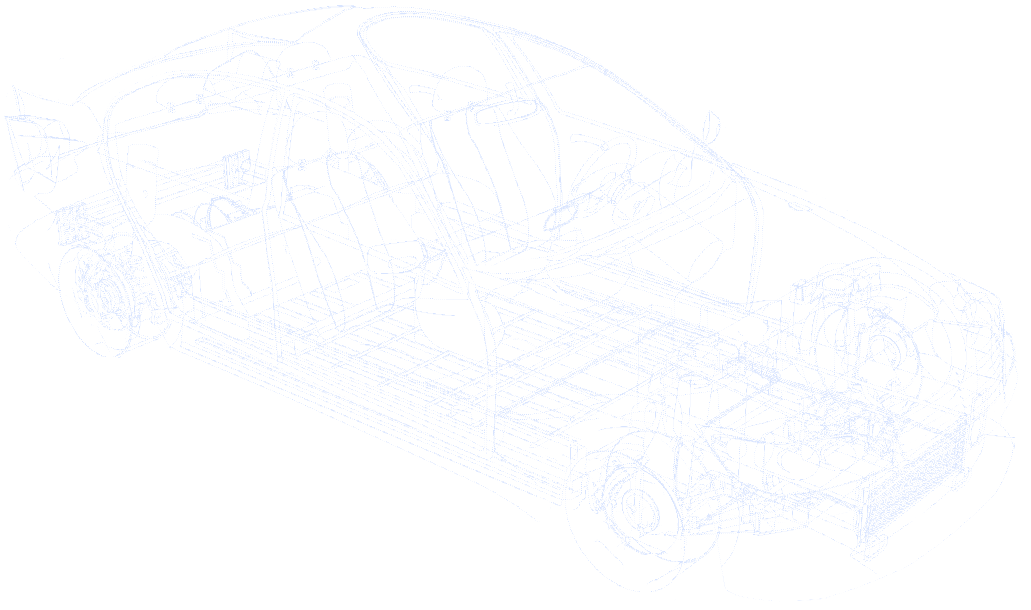
It is a crucial structure that holds, connects, or integrates several components, including the suspension, steering, wheels, engine, etc., together. This automotive component also provides support and stability to the body, engine, etc., ensuring the car maintains firmness and rigidity even in harsh road conditions.

This is the oldest chassis design, and it looks like a ladder. It usually has two parallel long frame rails held together with smaller ones. And it’s suitable to be used as a base for car engine mounts and other parts. With that, it creates a firm and stable foundation, which is best for trucks and heavy duty vehicles.
The chassis and the car frame or body are linked together as one structure. With that, reinforced composite steel is mostly used for the chassis, so it can also serve as the car body. Apart from the visual appeal, it also provides excellent strength and light weight, which makes it suitable for sedans, SUVs, etc. Beyond that, it is also found in most RC drift car chassis models.
This is also called a central backbone or tube design. It has a cylindrical tube that links the front and rear axles. Because of its excellent torsional toughness, it is usually used for off-road vehicles and sports cars.
Also called the space car chassis, this contains multiple small tubes connected or welded together in a 3D structure. They are typically used in race car chassis models and other lightweight vehicles.

This ensures passengers and the car are protected in accident cases. With modern chassis that are designed with crumple zones, crash force is reduced by up to 40 to 50% before it reaches the passenger or affects critical car components.
Distributes the weight of the car evenly between the front and rear axles, thereby ensuring accurate balance and stability. This helps aid proper handling when driving and enhances brake and steering functioning.
It also provides a base or foundation through which major car components like the engine, transmission, wheels, and suspension are connected together. With that, it ensures these parts are accurately aligned so they can perform their functions.
This is important in ensuring that the car maintains balance while turning, braking, accelerating, or in collisions, etc. This is specifically important for high speed cars with sprint car chassis, where stability directly influences functionality and safety.

This is the core structural component that features a longitudinal beam, which extends from the front to the rear of the chassis. They support the car’s weight and together with the cross member form a strong frame.
The main function of the clutch is to connect and disconnect the engine from the transmission. It also allows effective gear changing and protects the engine from stalling during gear shifting.
This connects to the chassis through the transmission mounts. The transmission also helps transfer power from the engine to the wheels and reduces vibrations and noise.
It is located behind the transmission and front axle, and it links the transmission to the driveshaft. Beyond that, it enables the driveshaft to move at varying angles while transmitting energy to the wheels.
Transfers power to the rear wheel. It also provides support to the suspension component and rear wheels so as to allow efficient car movement and turning.
This is also linked to the chassis, and it functions together with the suspension and wheels to control the direction of the car. It features steering gear and linkage, steering column and wheel, etc., and it can either be hydraulic or electric.
A cross member is a horizontal beam that links the two frame rails. It provides extra strength and rigidity to the chassis, prevents twisting and bending, and maintains stability.
Links the chassis to the wheel, and it features other parts like springs, shock absorbers, control arms, etc. It helps absorb shock and maintain stability when braking or turning.
Allows the car to stop or slow down when needed. It is usually located on the chassis, and it functions together with the suspension and the wheel.
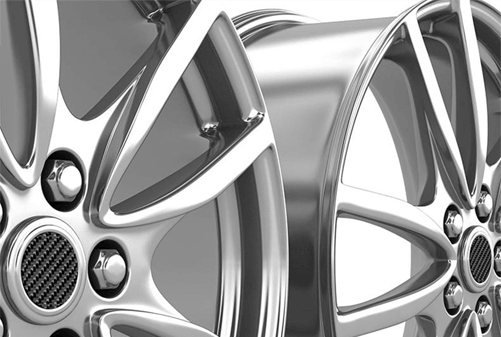
These components maintain contact with the road. They help ensure stability and balance, maintain grip and traction, and absorb shock for smooth driving.

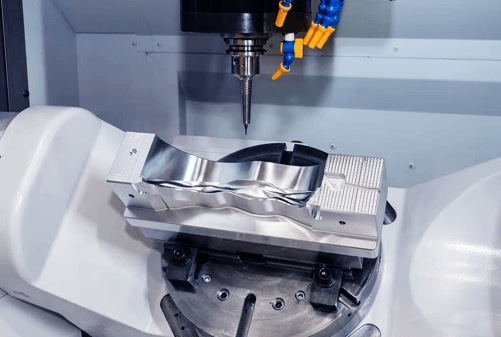
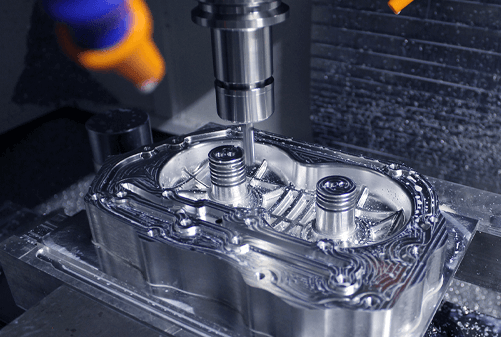
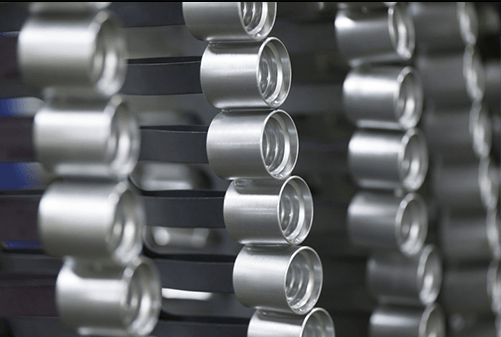
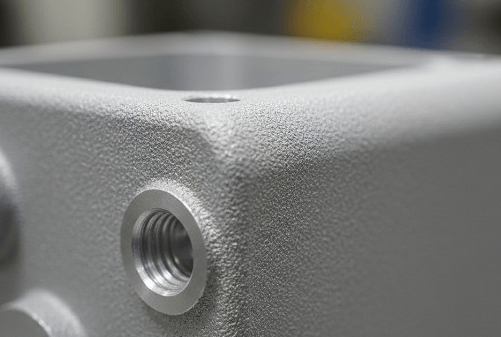
This uses computer-controlled tools to remove materials from the workpiece so as to create the desired highly precise component with tight tolerances up to ±0.005mm. It works with several materials like steel, composites, and aluminum, and is suitable for parts like axles, suspension parts, gear housings, etc.
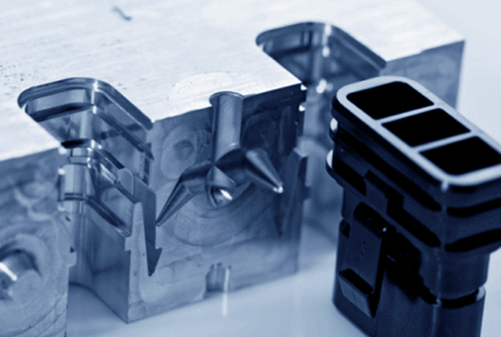
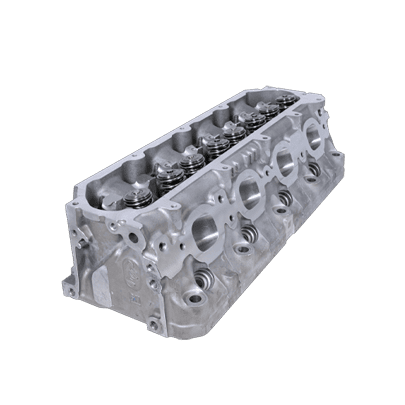
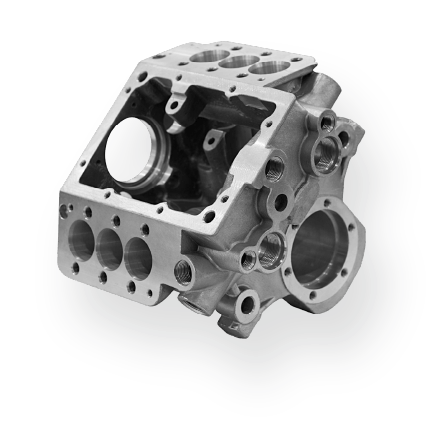
Involves injecting molten material into a mold and allowing it to cool and solidify to form the component. It is suitable for high volume production of complex chassis parts like the engine blocks, transmission housing, suspension links, etc.
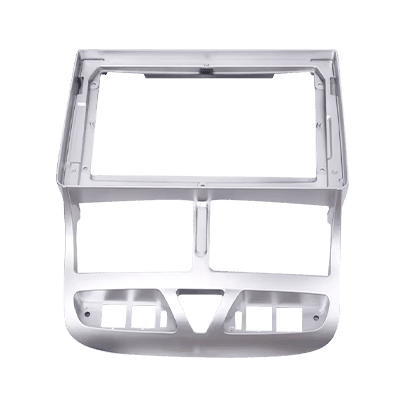
Uses different processes to shape metal sheets into desired components, such as cutting, welding, bending, forming, riveting, shearing, etc. It is a versatile manufacturing technique and perfect for chassis parts like driveshaft panels, suspension control arms, chassis frames, etc.

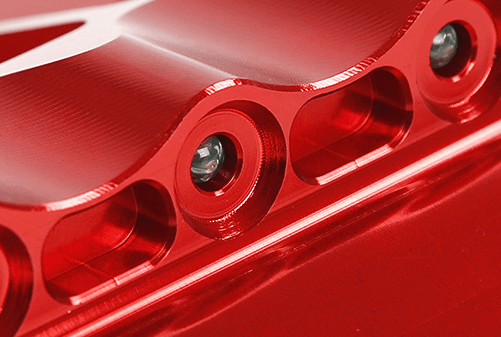
Anodizing: Mostly used on aluminum, anodizing creates a protective oxide layer on components. Applying the process to chassis components helps improve corrosion resistance, hardness, and durability.
Galvanizing: Zinc coating is applied to chassis components to protect against abrasion and rust. It also provides resistance against corrosion, enhanced durability, and visual appeal.
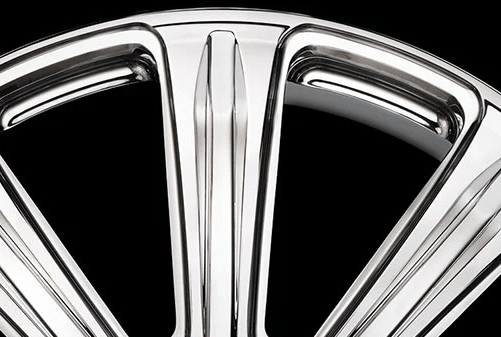
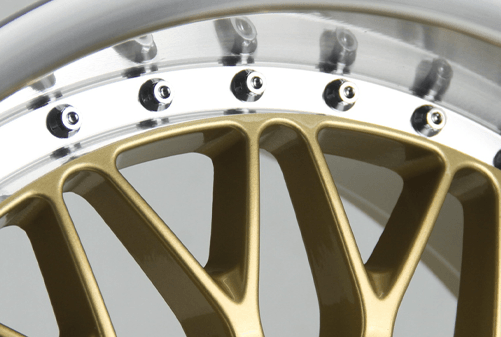
Polishing: Applying abrasive material to the chassis component to enhance smoothness and appearance. The process also eliminates little scratches and crevices, thereby enhancing durability and corrosion resistance.
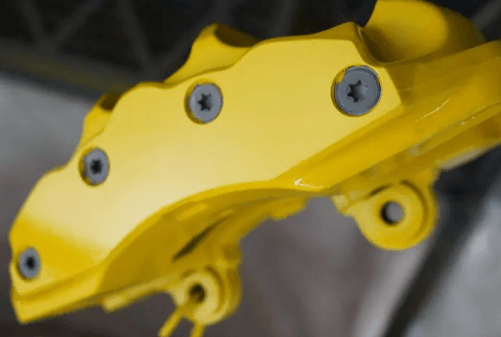
Painting: Helps protect against rust and corrosion, and improves the appearance of components like frames, suspension parts, control arms, coil springs, etc.

Valued for chassis parts because of its low density and excellent strength-to-weight ratio. The material also offers corrosion resistance, and it is used in robot car chassis and other high performance cars.
Offers great strength, which makes it suitable for chassis components. It also offers cost effectiveness, durability, machinability, etc. However, it has a high weight and low corrosion resistance, so it is not suitable for high performance vehicles.
Known for its lightweight and excellent strength, which makes it perfect for sprint car chassis. However, it might require a finishing process to improve corrosion resistance.
Contain several materials like carbon fiber, resin, glass fiber, etc. They are lightweight, easy to machine, durable, and can withstand extreme conditions. Although expensive, they remain a valuable material for chassis parts.

This is now a major trend within the automotive industry. Manufacturers now focus on the use of lightweight materials like aluminum and composite compared to steel, as it’s important in improving fuel efficiency and overall car performance.
Many electric vehicles feature an electric powertrain in their chassis. Future chassis design will include electric motors, battery packs, and other electronics without adding excess weight and while optimizing layout patterns.
Many modern chassis designs now include safety features, and in the years to come, we could expect more. These features include crumple zones, smart sensors, advanced driver assistance systems( ADAS), etc. And they help prevent major car damage and protect passengers.
Modular chassis now allows manufacturers to develop different types of cars, from SUVs, Sedans etc from a single chassis design. This helps reduce production time and cost.
A car chassis doesn’t just hold components, but helps provide support and stability to the car, ensuring safety and adequate performance.
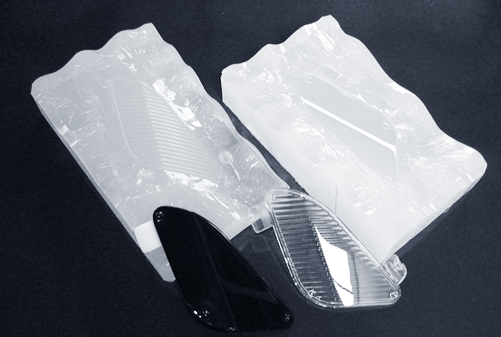
AutoRapidProto specializes in delivering high quality and precise car components. Whether you require a simple or complex part or just a single or small batch prototype, we are a reliable partner you can trust. Our processes are completely inspected and documented. From advanced CNC machining, injection molding, vacuum casting, etc, we provide solutions based on your unique needs. Get a free quote now.

Jane connects our manufacturing capabilities with global automotive innovators. She aligns our expertise with emerging trends in Electric Vehicles (EV) and smart cockpit technologies to serve evolving industry needs. She focuses on building strong client relationships and driving digital strategies. Outside of work, she enjoys exploring new cultures and culinary arts.
 Knowledges
 Knowledges
 Knowledges
 Knowledges
 Knowledges
 Knowledges

Fill out the form below and our team will get back to you promptly with a personalized quote tailored to your needs.